


What's Happening?
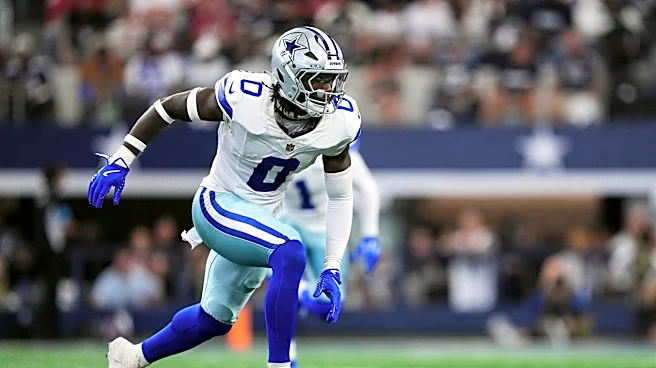
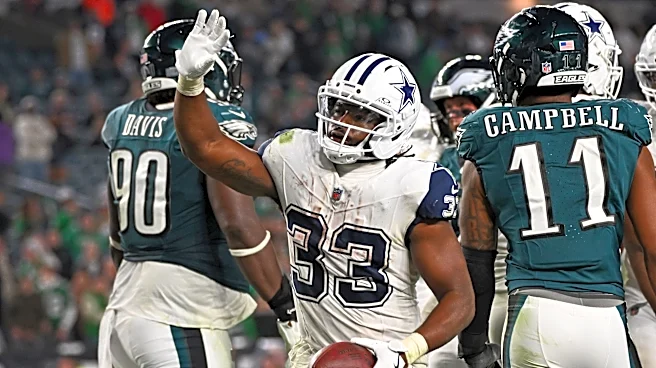
The NFL has issued a fine of $8,972 to Arizona Cardinals player L.J. Collier for an unnecessary roughness penalty during a game against the Dallas Cowboys. The incident occurred in the fourth quarter when Collier was flagged for a late hit on Cowboys tackle
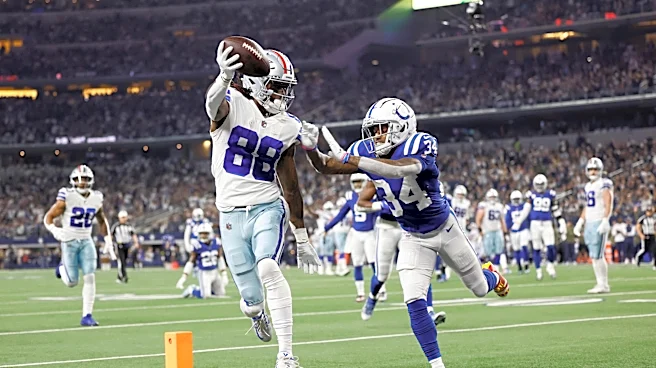
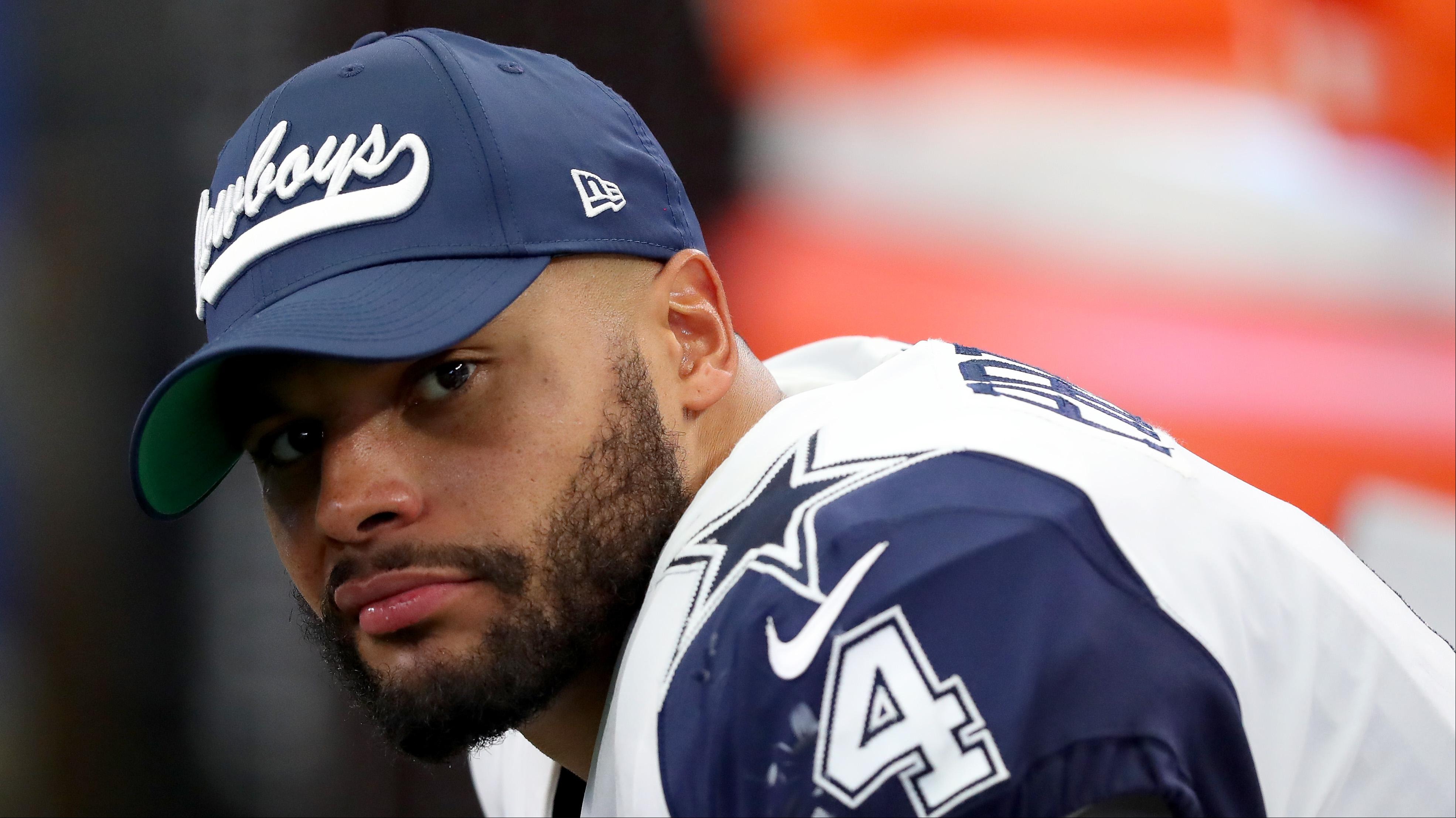
Tyler Guyton after Prescott had completed a two-yard pass to CeeDee Lamb. This penalty extended a 15-play, 6:53 drive for the Cowboys, which ultimately resulted in a Brandon Aubrey field goal, giving them a 27-17 lead. Despite this penalty, the Cardinals rallied to win the game 33-30 in overtime. Collier also contributed positively to the game, breaking up a pass, sacking Prescott for a six-yard loss, and adding another pass breakup in overtime.
Why It's Important?
This fine highlights the NFL's ongoing commitment to player safety and maintaining the integrity of the game through strict enforcement of rules against unnecessary roughness. Such penalties and subsequent fines serve as a deterrent for players, aiming to reduce dangerous plays that could lead to injuries. For the Arizona Cardinals, while the fine is a financial penalty for an individual player, it also underscores the importance of discipline on the field, as such mistakes can significantly impact game momentum and outcomes. The incident demonstrates how a single penalty can prolong an opponent's drive, potentially altering the course of a close game, even if the team ultimately secures a victory. It also reflects the financial implications for players, as fines directly impact their earnings.
What's Next?
Following the fine, L.J. Collier and the Arizona Cardinals will likely continue to focus on maintaining discipline on the field as they prepare for their next game against the Seattle Seahawks at Lumen Field. The NFL will continue to review game footage and issue penalties and fines for infractions as part of its regular season operations. Players are expected to adjust their play to avoid similar penalties in future games, as repeated offenses can lead to higher fines or even suspensions. The league's consistent application of these rules aims to ensure fair play and protect athletes throughout the season.
Beyond the Headlines
The NFL's fining system for on-field infractions like unnecessary roughness extends beyond immediate game consequences, reflecting broader discussions about player welfare and the physical demands of professional football. These penalties are part of a larger effort to evolve the sport, making it safer for participants while still preserving its competitive nature. The financial aspect of these fines also raises questions about player compensation and the impact of disciplinary actions on individual athletes' livelihoods. Furthermore, such incidents often spark debate among fans and analysts regarding the interpretation of rules and the balance between aggressive play and player safety, influencing how the game is perceived and regulated in the long term.