



What's Happening?
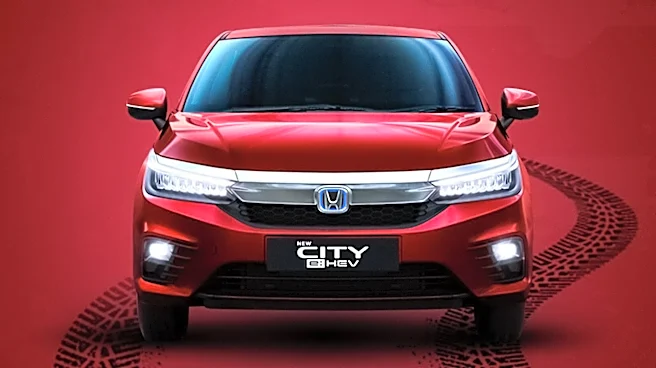
Honda is reportedly close to finalizing a deal to invest up to $2.5 billion in a new hybrid vehicle assembly plant in Ohio. This would mark Honda's first new North American plant in two decades. The investment aims to significantly increase Honda's hybrid production
capacity in response to growing demand for fuel-efficient vehicles in the region. The new facility is expected to boost Honda's overall North American output by approximately 10%, bringing the total to over two million vehicles annually. Production at the new plant is anticipated to commence in 2030, contingent on the successful conclusion of negotiations with Ohio state authorities regarding subsidies. This move follows Honda's revised electrification strategy, which now emphasizes stable earnings from combustion and hybrid vehicles over battery-electric vehicles, especially after canceling previous EV plans and facing potential losses.
Why It's Important?
This substantial investment by Honda underscores a strategic shift in the automotive industry's approach to electrification, prioritizing hybrid technology in the near term, particularly in the North American market. For Ohio, the establishment of a new plant represents a significant economic boost, creating jobs and reinforcing its position as a key manufacturing hub for Honda, which already operates five of its twelve U.S. factories in the state. The increased local production of hybrid vehicles and their core components will help Honda mitigate the impact of U.S. tariff uncertainties and reduce supply chain risks, aligning with its goal to raise the local content of key electrified components. This move also reflects the rising consumer demand for hybrids in the U.S., driven by factors such as fluctuating gas prices, and positions Honda to capitalize on this market trend.
What's Next?
The immediate next step involves the finalization of negotiations between Honda and Ohio state authorities concerning subsidies for the new plant. Once an agreement is reached, Honda is expected to officially confirm the project and begin the development and construction phases, targeting a production start in 2030. This investment could also influence other automakers' strategies in North America, potentially leading to similar commitments to hybrid vehicle production. Furthermore, Honda's focus on increasing the local content of electrified components suggests future investments in the U.S. supply chain for motors and inverters. The company will also continue to develop its next-generation hybrid systems, aiming for over 30% cost reduction, which could further solidify its market position.
Beyond the Headlines
Honda's decision to invest heavily in hybrid production in the U.S., rather than solely focusing on battery-electric vehicles, highlights a pragmatic adjustment to market realities and consumer preferences. This strategy acknowledges the current infrastructure limitations for EVs and the continued appeal of hybrids as a transitional technology. It also reflects a broader industry trend where manufacturers are diversifying their powertrain offerings to meet varied consumer needs and regulatory landscapes. The emphasis on localizing production not only addresses economic concerns like tariffs and supply chain resilience but also contributes to job creation and technological advancement within the U.S. manufacturing sector. This move could set a precedent for how global automakers navigate the complex transition to sustainable transportation, balancing innovation with economic viability and consumer demand.