







What's Happening?
Franklin Farmers Co-op, a long-standing institution in Franklin County, Tennessee, has been providing crucial services to its community since September 1946. The co-op offers fuel, tire, and propane services from its locations in Decherd and Huntland.
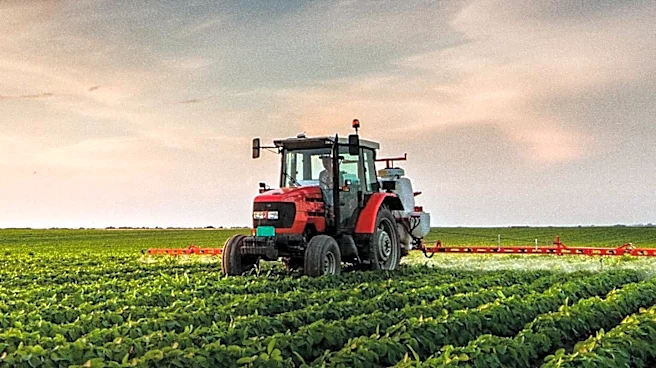
Its Car Care Center on Decherd Boulevard provides comprehensive vehicle maintenance, including oil changes, tire sales, installation, rotation, balancing, alignments, tune-ups, brake work, and suspension repairs. The center stocks Firestone and Mastercraft tires, along with Lucas and Schaeffer oil products. Fuel services include 24-hour access to gasoline and road diesel at the Decherd store and the One Stop Convenience Store in Huntland, utilizing credit card and Co-op card pumps. Additionally, the co-op delivers bulk gasoline, road diesel, and farm diesel directly to properties for agricultural needs. Propane refills are available at both locations for various uses, from backyard grills to shop heaters. The co-op also extends its tire services to the field, dispatching service trucks to repair or replace tractor tires on-site, aiming to minimize downtime for farmers. Serving over 800 farmer members, Franklin Farmers Co-op emphasizes local ownership and community-focused service.
Why It's Important?
The continued operation of Franklin Farmers Co-op is vital for the economic stability and daily functioning of Franklin County, Tennessee. By providing essential services such as fuel, vehicle maintenance, and agricultural support, the co-op directly contributes to the productivity of local farms and the mobility of residents. The availability of on-site tire repair for tractors, for instance, significantly reduces operational delays for farmers, which can have a direct impact on agricultural output and profitability. For the broader community, reliable access to fuel and car care services ensures that individuals can commute to work, transport goods, and maintain their vehicles safely. The co-op's long history and local ownership foster a sense of community reliance and support, reinforcing local economic cycles. Its services are particularly crucial in a rural setting where access to such specialized support might otherwise be limited, making it an indispensable part of the local infrastructure and economy.
What's Next?
Franklin Farmers Co-op is expected to continue its established operations, maintaining its role as a key service provider for Franklin County. The co-op's focus on customer convenience, such as 24-hour fuel access and on-site farm tire repair, suggests a commitment to adapting to the needs of its members. Future developments may include further enhancements to its service offerings or expansion of its product lines to meet evolving community demands. As agricultural practices and vehicle technologies advance, the co-op will likely assess and integrate new services or products to remain relevant and effective. The emphasis on local ownership and serving its 800+ farmer members indicates a sustained dedication to the community's well-being, ensuring that its services remain tailored to the specific requirements of Franklin County residents and agricultural businesses.
Beyond the Headlines
The enduring presence of Franklin Farmers Co-op highlights a broader trend of the critical role local cooperatives play in supporting rural economies across the U.S. These organizations often fill gaps in services that larger, national chains might overlook, providing essential infrastructure and support tailored to local needs. The co-op's model, where members are also owners, fosters a strong sense of community and mutual benefit, contrasting with purely profit-driven enterprises. This structure can lead to greater resilience in economic downturns and a more direct reinvestment in the local area. The co-op's commitment to delivering services like bulk fuel and on-site tire repair for farms underscores the unique challenges and requirements of agricultural communities, where timely access to resources can significantly impact livelihoods. This local, member-centric approach contributes to the social fabric and economic self-sufficiency of regions like Franklin County, demonstrating the value of community-based economic models.