
What's Happening?
H&M Group, a global fashion company, is actively recruiting a Non-Commercial Goods (NCG) Specialist for its New York Support Office. This hybrid role is crucial for ensuring efficient and timely logistics
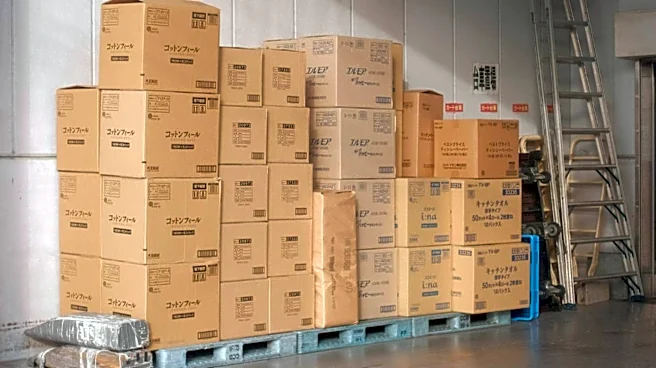
for non-commercial goods, which include materials for Construction & Facilities projects. The specialist will be responsible for securing cost-effective delivery, promoting sustainable reuse, and maintaining an accurate flow of materials from various split-points to project sites. Key duties involve coordinating sourcing, transport, inventory management, and documentation, as well as fostering cross-functional collaboration to guarantee quality, compliance, and smooth execution across store projects and maintenance activities. The role also entails working closely with the Construction Manager and Expansion Controller to define the optimal NCG strategy for the market, preparing business cases for NCG and logistics investments, and implementing new logistic setups and ways of working. The company emphasizes its commitment to exceptional design, affordable prices, and sustainable solutions, aiming to liberate fashion for many while prioritizing customer needs.
Why It's Important?
This recruitment highlights H&M Group's strategic focus on optimizing its operational efficiency and sustainability efforts within the U.S. market. By hiring a dedicated NCG Specialist, H&M aims to streamline its supply chain for non-commercial items, which can significantly impact project timelines and overall operational costs. The emphasis on sustainable reuse and waste management aligns with growing consumer and regulatory demands for environmentally responsible business practices in the retail sector. This role is vital for ensuring that H&M's expansion and maintenance projects in the U.S. are executed with both economic prudence and ecological consciousness. Effective management of NCG can lead to reduced waste, lower logistical expenses, and a stronger brand image, benefiting both the company's bottom line and its reputation among U.S. consumers who increasingly value sustainability. The specialist's ability to tender providers for transport and storage, ensuring the best price-quality ratio, will directly influence the company's financial performance in the region.
What's Next?
The newly appointed NCG Specialist will be tasked with immediately implementing and refining H&M Group's logistics strategies for non-commercial goods in the U.S. This will involve tendering new providers for transport, storage, and handling, ensuring adherence to H&M's procurement standards, and continuously proposing investments to improve logistic efficiency. A significant focus will be on updating the LIMA system with accurate on-site dates to facilitate global forecasting of interior products. The specialist will also be responsible for educating stakeholders on NCG management and advising on projects and procurement, fostering a more informed and collaborative approach across departments. Furthermore, the role will involve setting and monitoring reuse and waste management strategies for the U.S. market, based on global H&M guidelines and local regulations, with a clear objective to reduce overall storage costs and manage existing store inventories to prevent loss. This proactive approach is expected to enhance H&M's operational resilience and reinforce its commitment to sustainability in its U.S. operations.
Beyond the Headlines
The creation of a dedicated Non-Commercial Goods Specialist role at H&M Group reflects a broader trend in the retail industry towards hyper-specialization in supply chain management, particularly concerning sustainability. Beyond the immediate cost savings and efficiency gains, this position underscores the increasing complexity of managing a global retail operation in an era of heightened environmental awareness. The focus on sustainable reuse and waste management for non-commercial goods suggests a deeper integration of circular economy principles into H&M's operational framework. This could set a precedent for other large retailers in the U.S. to adopt similar specialized roles, driving systemic changes in how materials are sourced, utilized, and disposed of across the industry. The role also highlights the ethical dimension of corporate responsibility, as companies are increasingly expected to demonstrate tangible efforts towards reducing their environmental footprint, even in less visible aspects of their operations like non-commercial goods logistics. This move could influence consumer perception and loyalty, as transparency in sustainability practices becomes a key differentiator in the competitive U.S. retail landscape.