




What's Happening?
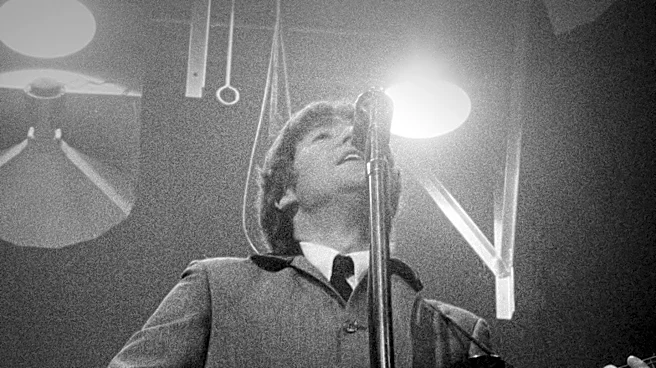
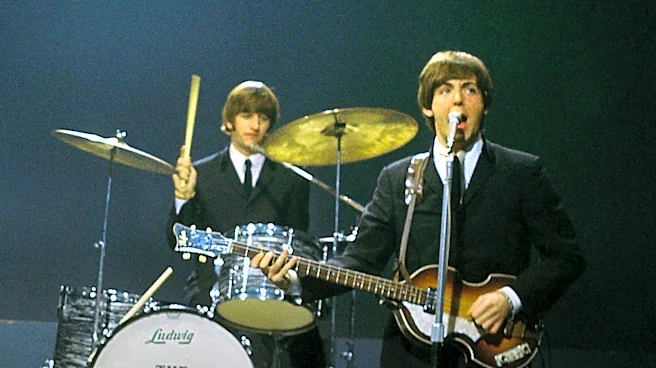
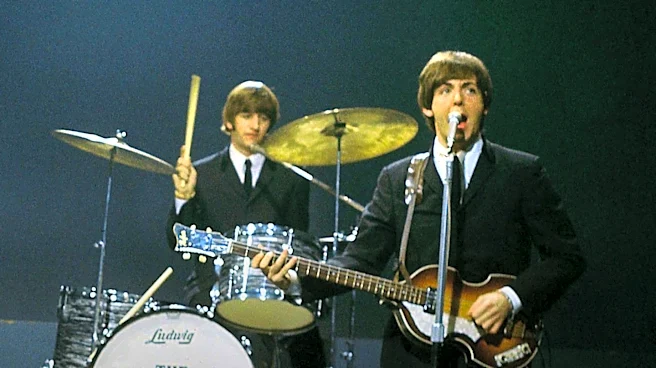
November 27 marks a significant day in rock history, featuring numerous milestone events and cultural moments. On this day in 1964, The Beatles released their single "I Feel Fine" in the U.K. George Harrison followed in 1970 with his first post-Beatles
album, "All Things Must Pass," which included the No. 1 single "My Sweet Lord." The Alice Cooper band released their Platinum-selling album "Killer" in 1971, peaking at No. 21 on the Billboard 200. More recently, in 2023, Dolly Parton's album "Rockstar" achieved her highest-charting LP debut at No. 3 on the Billboard 200, following her induction into the Rock & Roll Hall of Fame. Culturally, November 27 is also the birthday of Jimi Hendrix, born in 1942, who revolutionized guitar playing. In 1981, the British Phonographic Industry launched the "Home Taping is Killing Music" campaign, an early effort against music piracy. The day also saw the private funeral of Queen frontman Freddie Mercury in 1991.
Why It's Important?
These historical events underscore the enduring impact of rock music on American and global culture, influencing generations of artists and fans. The commercial success of albums like George Harrison's "All Things Must Pass" and Alice Cooper's "Killer" highlights the genre's economic power and its ability to produce chart-topping records. Dolly Parton's recent success with "Rockstar" demonstrates the continued relevance and cross-genre appeal of rock, even for artists primarily known in other fields. The birth of Jimi Hendrix signifies a pivotal moment in musical innovation, as his revolutionary guitar techniques profoundly shaped the sound of rock. The "Home Taping is Killing Music" campaign reflects early industry struggles with intellectual property rights, a challenge that continues to evolve with digital piracy and streaming services, impacting artists' livelihoods and revenue streams. These events collectively illustrate the dynamic evolution of the music industry, from album sales and chart performance to the ongoing battle against unauthorized distribution.
What's Next?
While the article focuses on historical events, the continued celebration of these milestones suggests an ongoing interest in rock music's legacy. Future anniversaries of these events will likely prompt renewed discussions and tributes, potentially leading to re-releases, documentaries, or special performances that honor these artists and their contributions. The enduring popularity of artists like The Beatles, Jimi Hendrix, and Dolly Parton ensures their music will continue to be discovered by new audiences, influencing contemporary musicians and cultural trends. The historical context of anti-piracy campaigns may inform future strategies for protecting artists' rights in an increasingly digital landscape. Music industry stakeholders will continue to adapt to technological changes, seeking new ways to monetize content and combat unauthorized usage, drawing lessons from past challenges like the "Home Taping is Killing Music" initiative.
Beyond the Headlines
The aggregation of these diverse events on a single day reveals the rich tapestry of rock history, encompassing artistic innovation, commercial success, and cultural shifts. Jimi Hendrix's influence extends beyond music, symbolizing a period of counter-cultural revolution and artistic freedom. The Beatles' continued relevance highlights the timeless quality of their songwriting and their profound impact on popular culture. Dolly Parton's ability to achieve chart success in rock, despite her country roots, speaks to the fluidity of musical genres and the power of artistic reinvention. The early anti-piracy campaign, though seemingly quaint by today's standards, laid the groundwork for modern debates about digital rights management and fair compensation for creators. These historical moments collectively offer insights into the evolving relationship between artists, technology, and the audience, shaping the legal and ethical frameworks of the music industry.