





What's Happening?
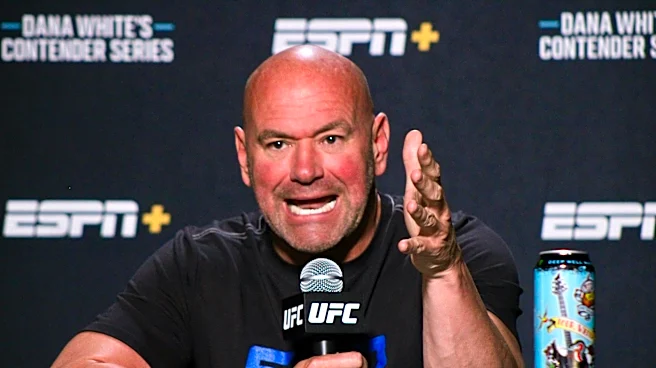
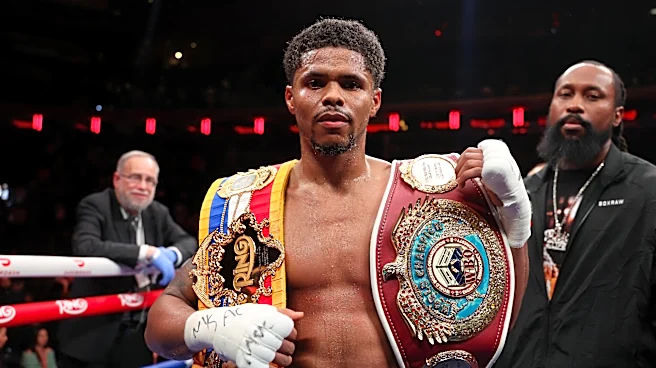
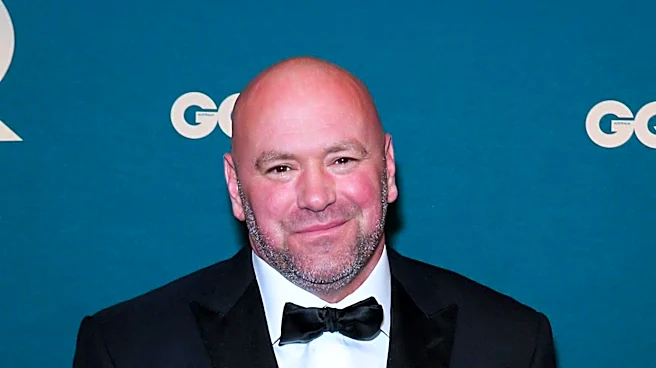
Dana White, head of Zuffa Boxing, is facing significant criticism regarding the future viability and his competence in boxing promotion. Concerns have emerged about Zuffa Boxing's trajectory, particularly after losing a top-tier talent like Shakur Stevenson
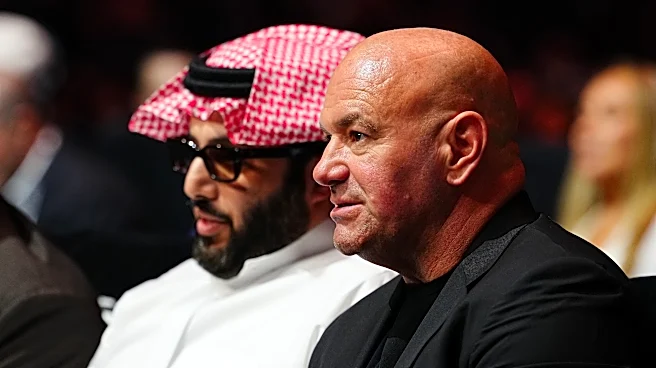
and reports of Saudi financial support scaling back. Critics, including Wil Esco, suggest that Zuffa Boxing has transitioned from a potential 'power player' to a 'fringe contender' with limited prospects. White, despite his success in MMA, is perceived by some as being 'out of his depth' in the boxing world. The situation has been exacerbated by 'promoter wars' with figures like Eddie Hearn and past 'big proclamations and chest puffing' that have not materialized into sustained success. The organization's decision to offer substantial sums to fighters like Conor Benn, setting a precedent they reportedly couldn't maintain, has also drawn scrutiny. White has also explicitly shut down the idea of boxing crossover bouts, further defining Zuffa Boxing's operational scope.
Why It's Important?
The struggles of Zuffa Boxing under Dana White's leadership are important as they highlight the challenges of transitioning a successful MMA promotional model into the established and complex world of professional boxing. White's reputation as a highly successful promoter in the UFC does not automatically translate to boxing, where different dynamics, established promoters, and fighter contracts are at play. The reported scaling back of Saudi financial support could significantly impact Zuffa Boxing's ability to compete for top talent and stage major events, potentially limiting its influence in the sport. This situation also affects fighter careers, as seen with Shakur Stevenson's departure, raising questions about the opportunities and financial incentives available to boxers under Zuffa. The 'promoter wars' and unfulfilled promises could erode trust among fighters and the boxing community, making it harder for Zuffa Boxing to attract and retain talent in the long run. The outcome of Zuffa Boxing's endeavors could serve as a case study for other sports organizations considering diversification into new competitive landscapes.
What's Next?
The immediate future for Zuffa Boxing appears uncertain, with questions surrounding its financial backing and ability to attract and retain top boxing talent. The reported scaling back of Saudi financial support will likely necessitate a re-evaluation of Zuffa Boxing's strategy and operational scale. Without substantial funding, the organization may struggle to compete with established boxing promoters for high-profile fights and fighters. Dana White will need to address the criticisms regarding his approach to boxing promotion and demonstrate a clear path forward to regain confidence within the boxing community. This could involve adjusting Zuffa Boxing's business model, focusing on specific niches within the sport, or forming strategic partnerships. The departure of fighters like Shakur Stevenson suggests that Zuffa Boxing may face ongoing challenges in securing and developing a competitive roster. The organization's ability to stage compelling events and offer attractive financial packages will be crucial in determining its long-term viability in the boxing landscape.
Beyond the Headlines
Beyond the immediate concerns, the challenges faced by Zuffa Boxing under Dana White underscore a broader tension between established sports promotion models and new entrants. The boxing world, with its intricate web of promoters, sanctioning bodies, and fighter allegiances, presents a unique set of hurdles that differ significantly from the more centralized structure of MMA under the UFC. This situation highlights the potential pitfalls of assuming that success in one combat sport automatically guarantees success in another. It also raises questions about the ethical implications of promotional practices, particularly concerning fighter negotiations and the fulfillment of promises. The 'promoter wars' and the perceived 'out of depth' performance of White in boxing could lead to a re-evaluation of how cross-sport ventures are approached and the importance of specialized expertise in different athletic domains. The long-term impact could influence how fighters perceive their contractual options and the power dynamics between athletes and promotional organizations in combat sports.