





What's Happening?
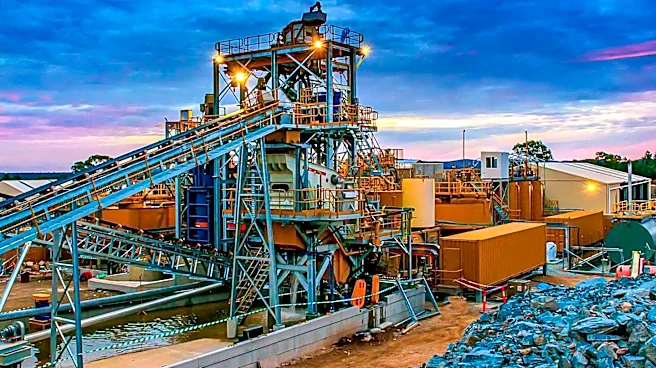
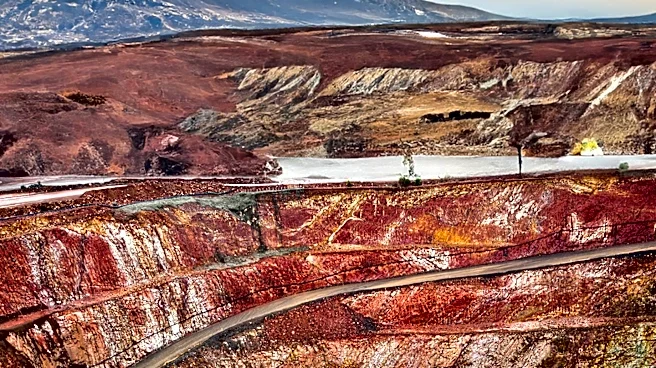
BHP Group has announced plans to invest up to US$17.4 billion to significantly increase its copper output in South Australia, aiming to double production to 650,000 tonnes per year by 2040. This expansion strategy encompasses growth options across its Olympic
Dam, Carrapateena, Prominent Hill, and Oak Dam sites. The initiative was detailed during a recent shareholder update and site tour, where the company highlighted a broader US$44.7 billion copper growth pipeline. This strategic push is driven by an anticipated long-term surge in demand for copper, fueled by global electrification efforts and advancements in artificial intelligence. BHP is also focusing on managing project execution, securing regulatory approvals, and controlling operating costs throughout this extensive expansion. The company's investment narrative is shifting, placing execution and regulatory delivery at the forefront as capital is committed over many years, making output timing a critical factor.
Why It's Important?
This substantial investment by BHP Group underscores the growing global importance of copper as a critical mineral for future technological and energy transitions. The increased supply from South Australia could help meet the rising demand driven by electrification, renewable energy infrastructure, and AI technologies, which are all copper-intensive. For the U.S. market, a stable and increased global copper supply is crucial for industries ranging from electronics and automotive (especially electric vehicles) to construction and renewable energy development. This expansion could potentially stabilize copper prices, benefiting U.S. manufacturers and consumers who rely on copper-based products. However, the success of this plan hinges on BHP's ability to manage complex project execution, navigate regulatory landscapes, and control costs, which could influence the global supply chain and pricing dynamics for copper.
What's Next?
BHP Group will proceed with the multi-year capital commitment for its South Australian copper expansion projects, with ongoing focus on project execution and securing necessary regulatory approvals. The company's financial discipline and funding flexibility will be closely monitored, especially given its current net debt of US$14.7 billion and a gearing ratio of 20.9%. The recent appointment of Adrian Wood as future CFO, with his background in projects and finance, is seen as critical for overseeing this period of heavy investment in copper and potash. Shareholders will be tracking execution quality around these projects, dividend consistency, and any shifts in cost outcomes as practical catalysts. The market will also be observing how reliably existing iron ore and copper operations convert into cash flow amidst managing unit cost guidance, lower grades, and processing variability.
Beyond the Headlines
The significant investment in copper production by BHP Group reflects a broader global trend of resource companies repositioning themselves to capitalize on the green energy transition and technological advancements. This move highlights the strategic importance of securing critical raw materials for national economies, including the U.S., as competition for these resources intensifies. Beyond the immediate economic impact, such large-scale mining expansions raise long-term environmental and social considerations, including the need for sustainable mining practices, water management, and engagement with local communities. The success of BHP's plan could set a precedent for how major mining companies balance shareholder returns with the demands of a rapidly evolving global economy and increasing environmental scrutiny, potentially influencing future investment decisions in the mining sector worldwide.