








What's Happening?
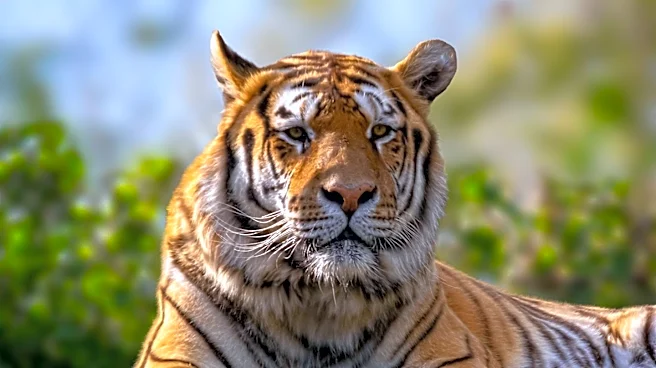
Tigers, known for their distinctive orange coats and black stripes, are the largest of the big cat species and play a crucial role in their ecosystems as apex predators. There are six extant subspecies of tigers, including the Bengal and Siberian tigers.
Despite their iconic status, tigers face significant threats from habitat loss and poaching, leading to a drastic reduction in their population. Conservation efforts are underway to protect these majestic animals, focusing on habitat preservation and anti-poaching measures. Tigers are also culturally significant, symbolizing strength and power in various societies.
Why It's Important?
The conservation of tigers is vital for maintaining biodiversity and ecological balance. As apex predators, tigers help regulate prey populations, which in turn affects the entire ecosystem. The decline in tiger populations is indicative of broader environmental issues, such as habitat destruction and illegal wildlife trade. Efforts to conserve tigers also benefit other species and contribute to the preservation of natural habitats. Additionally, tigers hold cultural and economic significance, attracting tourism and inspiring conservation awareness. Protecting tigers requires global cooperation and sustained efforts to address the challenges they face.