








What's Happening?
The Positive Action Community Tourism (PACT) initiative, founded by British entrepreneur Mark Weingard, is advocating for a new model in the tourism industry. This model seeks to involve the hotel sector more deeply in the development of local communities,
ensuring that the wealth generated by tourism benefits residents beyond just economic impact. PACT, which originated in Malta and aims to become a global movement, currently has 45 members and is collaborating with the World Travel & Tourism Council (WTTC) for international expansion. The initiative addresses the paradox where booming international tourism often leads to rising housing costs, loss of local identity, and neighborhood reshaping for residents, despite increased revenues for large hotels and businesses. Weingard emphasizes the need for hotels to build relationships with the communities they operate in, contributing to social, cultural, and economic improvements for local people.
Why It's Important?
The PACT initiative's focus on integrating tourism wealth into local communities holds significant implications for U.S. cities and tourist destinations grappling with the challenges of overtourism and gentrification. Many popular U.S. destinations face similar issues, where the economic benefits of tourism do not always translate into improved quality of life for long-term residents. This model could offer a blueprint for U.S. hospitality businesses and local governments to develop more sustainable tourism practices. By fostering a sense of shared responsibility and investment, PACT could help mitigate negative impacts such as housing unaffordability and the erosion of local culture, which are increasingly prevalent in U.S. urban centers and resort towns. Implementing such a model could lead to more equitable distribution of tourism-generated wealth, enhance community resilience, and create a more positive relationship between the tourism industry and local populations, ultimately benefiting both residents and the long-term viability of tourist economies.
What's Next?
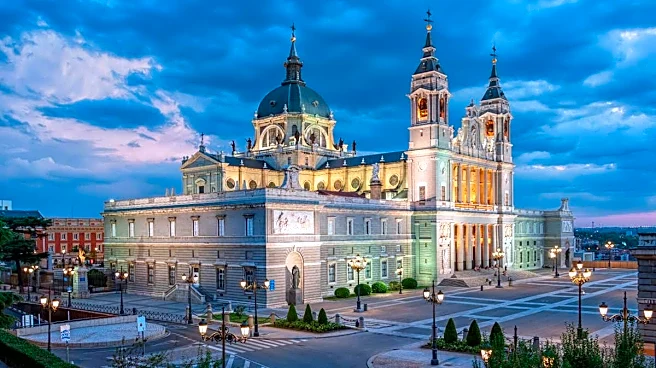
Mark Weingard plans to replicate his hotel model, which emphasizes connection to local culture and unique experiences, in other cities such as Lisbon, Athens, and Madrid. This expansion suggests a growing momentum for the PACT philosophy, aiming to spread its influence globally. The collaboration with the World Travel & Tourism Council (WTTC) indicates an intent to formalize and scale the initiative, potentially leading to broader adoption within the international tourism industry. For U.S. cities and tourism stakeholders, monitoring the success and challenges of PACT's expansion could provide valuable insights. If the movement gains traction, it might inspire similar initiatives or policy changes in the U.S., encouraging hotels and tourism businesses to adopt more community-centric approaches. This could involve developing new partnerships between the private sector and local governments, or even new regulatory frameworks designed to ensure tourism contributes positively to resident well-being.
Beyond the Headlines
The PACT initiative touches upon a fundamental ethical dilemma in modern tourism: how to balance economic growth with social equity and cultural preservation. The movement's emphasis on hotels actively contributing to the well-being of local communities challenges the traditional profit-first model of the hospitality industry. This shift reflects a growing global awareness of corporate social responsibility and the need for businesses to address their broader societal impacts. The concept of 'improving the city without losing its essence' speaks to the delicate balance required to manage urban development in tourist-heavy areas. For the U.S., where debates about gentrification and the commodification of cultural heritage are ongoing, PACT's approach offers a framework for fostering more authentic and sustainable urban environments. It encourages a re-evaluation of what constitutes 'success' in tourism, moving beyond mere visitor numbers and revenue to include metrics of community health and cultural vitality.