



What's Happening?
Skin cycling, a skincare trend originating from Korea, is gaining popularity for its structured approach to maintaining healthy skin. This routine involves a four-night cycle that typically includes exfoliation, retinoid application, and two nights of
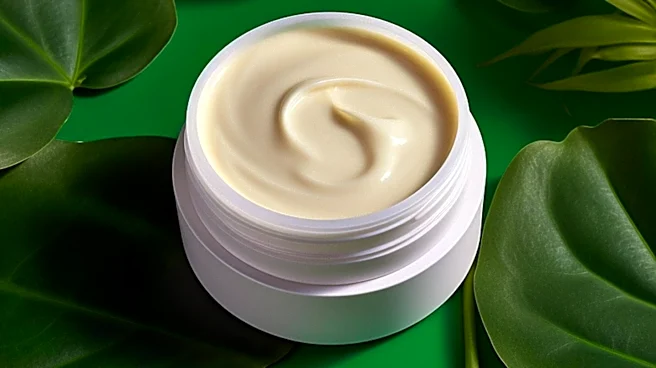
recovery. The K-Beauty adaptation of skin cycling emphasizes hydration, soothing ingredients, and gradual active use, moving away from high concentrations to a more balanced approach. For instance, exfoliation nights might use products like Anua BHA 2% Gentle Exfoliating Toner or Beauty of Joseon Red Bean Refreshing Pore Mask. Retinoid nights feature serums such as APLB Retinol Vitamin C Vitamin E Ampoule Serum, which combines retinol with hydrating components. Recovery nights focus on barrier support with products like epii Double Up Cream Ectoin & Panthenol or Dr. Althea 147 Barrier Cream. This method aims to prevent over-exfoliation and irritation, promoting smoother and healthier-looking skin by allowing the skin barrier to recover between active treatments. The routine also stresses daily sunscreen use, especially when incorporating exfoliants and retinoids.
Why It's Important?
The rise of skin cycling reflects a broader shift in the beauty industry towards more mindful and sustainable skincare practices. This trend is significant because it addresses common issues like skin barrier damage and irritation caused by the overuse of active ingredients, which many consumers experience. By promoting a cyclical approach, it educates users on the importance of recovery and balance, potentially leading to better long-term skin health outcomes. For consumers, it offers a structured yet flexible framework that can be adapted to different skin types, from oily to sensitive. For the skincare market, it highlights a demand for products that support barrier function and provide gentle yet effective active ingredients, influencing product development and marketing strategies. This trend also underscores the continued influence of K-Beauty philosophies, which prioritize hydration, soothing ingredients, and a holistic approach to skin health, further integrating these principles into mainstream Western skincare routines.
What's Next?
As skin cycling continues to gain traction, it is likely to influence product innovation and consumer education within the skincare industry. Brands may develop more targeted product lines specifically designed for each phase of the skin cycling routine, such as gentle exfoliants, buffered retinoids, and advanced barrier repair creams. There will likely be an increased emphasis on ingredient transparency and formulations that combine active ingredients with soothing and hydrating components, aligning with the K-Beauty philosophy. Skincare professionals and influencers will continue to play a crucial role in disseminating information and guiding consumers on how to adapt skin cycling to their individual needs, potentially leading to more personalized skincare recommendations. Furthermore, the success of this trend could encourage the exploration of other cyclical or rotational skincare approaches, moving beyond the traditional daily regimen to more dynamic and responsive routines.
Beyond the Headlines
The skin cycling trend signifies a deeper cultural shift in how consumers approach beauty and wellness, moving from an aggressive pursuit of immediate results to a more patient, preventative, and health-oriented mindset. This approach aligns with the growing interest in 'slow beauty' and 'skinimalism,' where the focus is on nurturing the skin's natural functions rather than constantly intervening with harsh treatments. Ethically, it promotes a more responsible use of potent ingredients, potentially reducing instances of skin damage and the need for corrective treatments. Legally, as more consumers adopt these structured routines, there might be a greater demand for clearer labeling and efficacy claims for products designed for specific cycle nights. Culturally, it reinforces the global influence of K-Beauty, which has consistently championed gentle, multi-step routines and skin health over quick fixes, further integrating these values into the broader beauty landscape and encouraging a more holistic view of skincare.