




What's Happening?
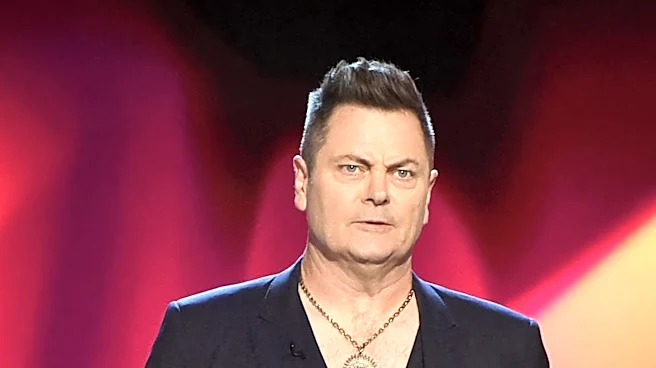
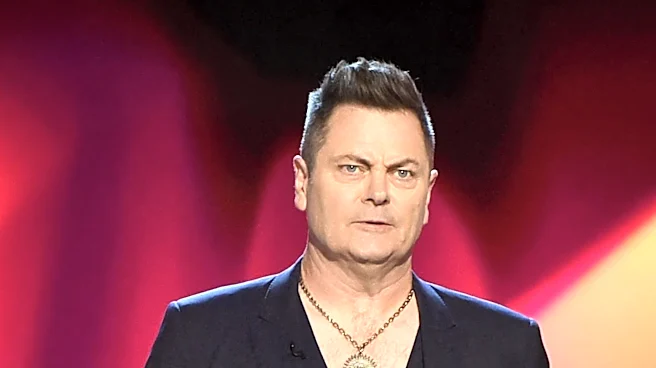
Actor Nick Offerman, known for his role as Ron Swanson and his Emmy-winning performance in 'The Last of Us,' has publicly criticized right-wing influencer Ben Shapiro. Offerman's comments came during an appearance on the podcast 'Talk Easy With Sam Fragoso,'
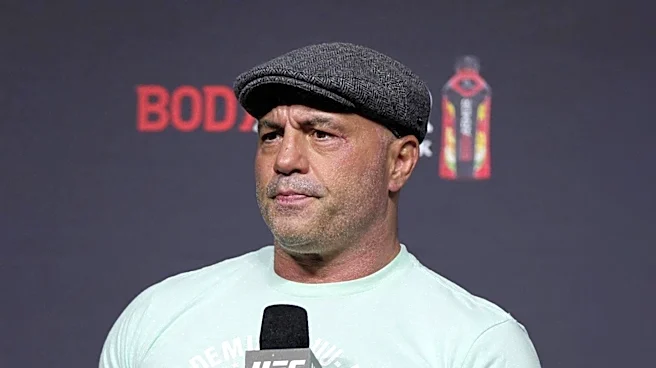
where he was played a clip of Shapiro's remarks concerning Offerman's portrayal of a gay character in 'The Last of Us.' Offerman expressed his dismay at Shapiro's 'ignorant take' on his role, which depicted one half of a gay couple navigating a zombie apocalypse. Offerman, who is married to Megan Mullally, also extended his criticism to other right-wing internet figures, including Joe Rogan, lamenting the influence such individuals hold in the current media landscape. Despite his public statements, Offerman generally maintains a low profile regarding social media engagement, preferring to focus on other activities like reading environmental poetry.
Why It's Important?
This event highlights the ongoing cultural clashes and ideological divides prevalent in U.S. society, particularly concerning LGBTQ+ representation in media and the influence of conservative commentators. Nick Offerman's status as a beloved and respected actor lends significant weight to his critique, potentially influencing public perception of figures like Ben Shapiro and Joe Rogan. The exchange underscores the tension between artistic expression and conservative viewpoints, especially when it comes to depictions of diverse relationships. For the entertainment industry, this incident reinforces the challenges and scrutiny that can arise from portraying LGBTQ+ themes, while also demonstrating the willingness of some public figures to defend such portrayals against criticism. It also brings to the forefront the broader debate about the responsibility and impact of media personalities and influencers on public discourse.
What's Next?
While no immediate direct confrontation is indicated, Offerman's comments may prompt further discussion and debate within entertainment and political commentary circles. It is possible that Shapiro or his supporters may respond to Offerman's criticism, potentially escalating the online discourse. This incident could also encourage other public figures to voice their opinions on similar cultural and political topics, contributing to a wider conversation about media representation and the role of influencers. For Offerman, his stance may solidify his image among fans as an advocate for inclusivity, while for Shapiro, it could reinforce his position among his conservative audience. The broader impact might be a continued polarization of views on cultural issues, with entertainment figures increasingly taking sides in these debates.
Beyond the Headlines
Beyond the immediate exchange, this situation touches upon deeper societal trends, including the increasing politicization of entertainment and the blurring lines between cultural criticism and political commentary. The incident reflects a growing expectation for public figures to take stances on social issues, particularly when their work becomes a subject of ideological debate. It also highlights the power of online platforms and influencers in shaping public opinion and the challenges of navigating a media landscape where 'doomscrolling' and 'toxic social media obsession' are prevalent. Offerman's preference for disengagement from constant online interaction, while still addressing significant criticisms, suggests a potential model for public figures to engage thoughtfully rather than constantly. This event also underscores the ongoing struggle for LGBTQ+ visibility and acceptance in mainstream media, and the pushback that often accompanies such progress.