





What's Happening?
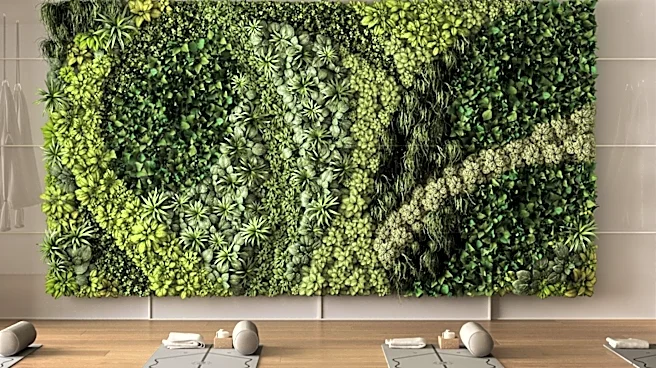
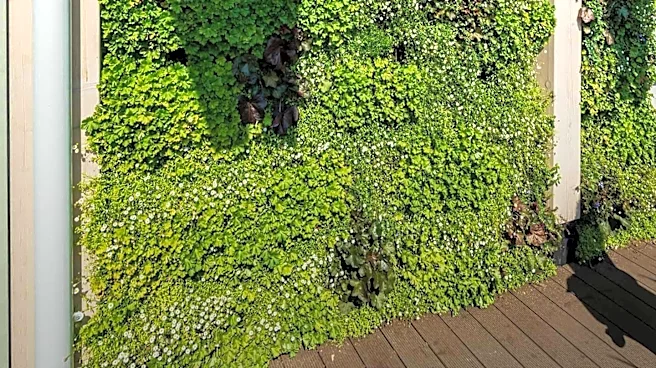
Vertical gardens are gaining prominence as an innovative method for cultivating plants in confined areas, allowing greenery to grow upwards rather than outwards. This gardening technique encompasses various structures, including wall-mounted planters,
vertical frames, stacked planters, and modular garden panels. These systems are particularly effective in maximizing plant capacity, enabling the cultivation of dozens to hundreds of plants within a minimal footprint. A significant advantage of vertical gardens is their ability to organize plants based on their specific needs, such as placing sun-loving species at the top and shade-tolerant ones lower down. Recent advancements in product design have made it increasingly accessible and attractive to implement vertical gardening solutions, transforming small balconies, patios, and courtyards into lush green spaces. This approach is often the primary consideration for individuals looking to optimize limited outdoor areas for gardening.
Why It's Important?
The rise of vertical gardening is crucial for urban dwellers and those with limited outdoor space, offering a practical solution to integrate nature into their living environments. This trend supports increased biodiversity in urban settings and promotes mental well-being by providing accessible green spaces. For the U.S. horticulture and home improvement industries, this signifies a growing market for specialized products like vertical planters, modular systems, and appropriate plant varieties. It also encourages innovation in sustainable gardening practices, as these systems can be designed for efficient water use and can even incorporate recycled materials. Consumers stand to gain by being able to grow their own herbs, vegetables, and flowers, contributing to food security and personal satisfaction, even without traditional yards. This shift also highlights a broader societal move towards more sustainable and space-efficient living solutions.
What's Next?
The future of vertical gardening is likely to see continued innovation in design, materials, and integration with smart home technology. Expect to see more sophisticated self-watering systems, app-controlled nutrient delivery, and modular designs that are easier to install and maintain. Retailers in the U.S. will likely expand their offerings of vertical gardening kits, specialized soil mixes, and plant varieties best suited for vertical growth. Educational initiatives promoting urban gardening and sustainable living will also likely feature vertical gardens prominently. Furthermore, as urban density increases, city planners and developers may incorporate vertical green walls into building designs, transforming urban landscapes and contributing to improved air quality and aesthetics. The trend is expected to grow, making gardening accessible to an even wider demographic.
Beyond the Headlines
Beyond the immediate benefits of space-saving and aesthetics, the widespread adoption of vertical gardens could have deeper implications for urban ecology and community development. These green installations can help mitigate the urban heat island effect, improve air quality by filtering pollutants, and provide small habitats for urban wildlife. Ethically, it promotes a more sustainable relationship with food production, encouraging individuals to grow their own produce and reduce their carbon footprint associated with food transportation. Legally, there might be evolving regulations or incentives for incorporating green infrastructure into urban planning. Culturally, vertical gardens represent a shift towards a more integrated urban-nature lifestyle, fostering a greater appreciation for greenery in everyday environments and potentially inspiring community-led greening projects in densely populated areas.