






What's Happening?
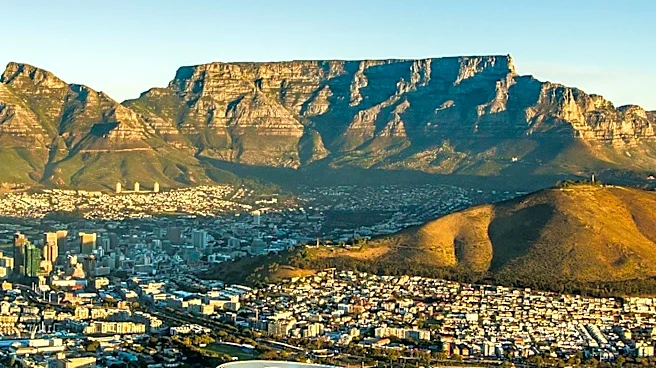
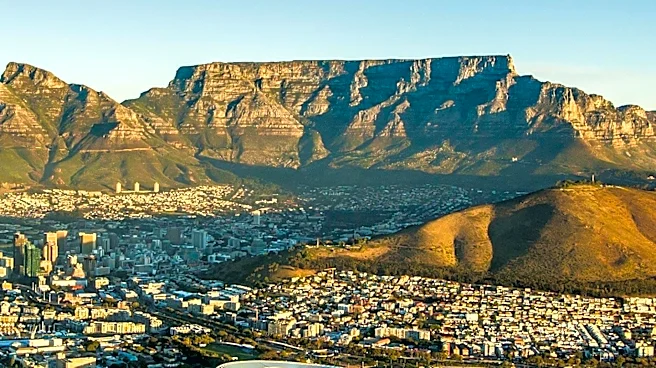
Cape Town, South Africa, is being highlighted as a top-tier global travel destination, celebrated for its diverse offerings that cater to a wide range of interests. The city is particularly noted for its outdoor activities, including hiking, climbing,
and paragliding on iconic landmarks like Table Mountain and Lion’s Head. Despite the cold Atlantic currents, its beaches are also a significant draw. Beyond natural beauty, Cape Town is recognized as a 'foodie paradise' with a vibrant culinary scene, featuring notable restaurants and extensive wine regions. The city's rich and complex history, marked by the legacy of apartheid and the presence of townships, adds a profound cultural dimension to the visitor experience. Table Mountain remains a central attraction, offering breathtaking views accessible via cableway or challenging hiking trails, solidifying Cape Town's reputation for iconic landscapes, dynamic urban life, and deep cultural exploration.
Why It's Important?
The recognition of Cape Town as a premier travel destination holds significant importance for the global tourism industry and for South Africa's economy. Increased tourism to Cape Town can stimulate local businesses, create employment opportunities in hospitality, food services, and tour operations, and contribute to the city's overall economic growth. For travelers, it highlights a destination that offers a unique blend of adventure, culinary excellence, and historical depth, appealing to those seeking more than just a typical vacation. This spotlight can also encourage cultural exchange and understanding, as visitors engage with the city's complex past and vibrant present. The emphasis on outdoor activities aligns with growing trends in experiential travel, positioning Cape Town favorably in a competitive global market and potentially influencing travel patterns and investment in similar destinations.
What's Next?
Following this recognition, Cape Town is likely to experience a surge in international visitor interest, leading to increased bookings for accommodations, tours, and dining establishments. Local tourism boards and businesses may leverage this enhanced profile through targeted marketing campaigns to further attract travelers. There could be continued development in the city's tourism infrastructure, including new hotels, restaurants, and enhanced accessibility to natural attractions. Additionally, there might be a greater focus on promoting sustainable tourism practices to manage the increased influx of visitors and preserve the city's natural and cultural heritage. The city may also see further investment in cultural and historical sites to enrich the visitor experience and provide deeper insights into its unique identity.
Beyond the Headlines
Beyond the immediate economic benefits, Cape Town's prominence as a travel destination carries deeper implications. It serves as a powerful narrative of resilience and transformation, showcasing a city that has navigated a complex history to emerge as a vibrant cultural and economic hub. The juxtaposition of its stunning natural beauty with the stark realities of its past, particularly the legacy of apartheid, offers visitors a unique opportunity for reflection and learning. This can foster a more informed global perspective on South African history and contemporary society. Furthermore, the city's success in blending diverse cultural influences into its culinary and artistic scenes highlights the potential for cultural synthesis to create unique and appealing experiences, setting a precedent for other cities grappling with similar historical complexities and aiming for global recognition.