





What's Happening?
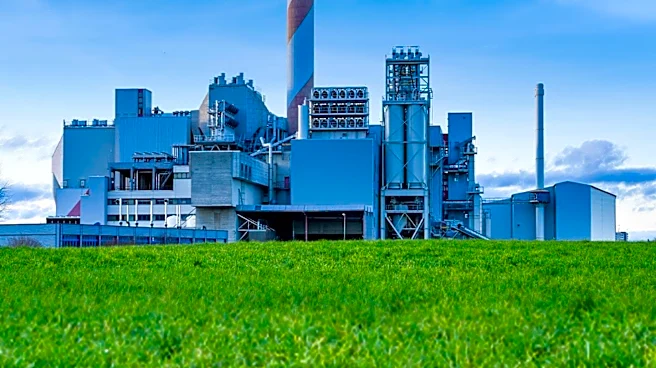
Anthro Energy has commenced construction on a pioneering battery materials factory in Louisville, Kentucky. This facility is set to be the first large-scale, US-owned and operated plant dedicated to producing advanced electrolytes for lithium-ion batteries.
With an anticipated annual output of approximately 12,000 metric tons of polymer electrolyte, the factory aims to support up to 25 gigawatt-hours (GWh) of lithium-ion batteries annually. The polymer electrolyte, known as Proteus, is designed to enhance battery safety by being more resistant to fire, short circuits, and swelling compared to traditional flammable liquid electrolytes. This innovation is crucial for grid-scale storage, transportation, defense, robotics, and consumer electronics. The project, valued at over $42 million, received significant federal backing, including a $24.9 million award from the US Department of Energy through the Infrastructure Investment and Jobs Act and $18.4 million in federal investment tax credits via the Inflation Reduction Act’s 48C program. The plant is expected to create 110 permanent manufacturing and technical jobs and nearly 390 construction jobs.
Why It's Important?
This development is critical for bolstering the domestic supply chain for advanced battery materials in the United States. By producing advanced electrolytes domestically, Anthro Energy aims to reduce reliance on overseas supply chains, mitigating risks of disruptions and federal sourcing restrictions. The enhanced safety features of the Proteus polymer electrolyte are particularly significant for grid-scale energy storage systems, which often involve thousands of cells packed closely together. Improved fire resistance and stability can prevent failures from spreading, enhancing safety for systems located near homes, businesses, and critical infrastructure. Furthermore, the technology promises to improve energy density and cycle life, meaning more electricity can be stored in a smaller footprint, and batteries can maintain capacity for longer periods. The ability for manufacturers to integrate Proteus without replacing existing battery production equipment could accelerate its adoption, making the technology more cost-effective and faster to implement across various sectors. This initiative aligns with national priorities to rebuild domestic manufacturing capacity for critical battery materials, fostering economic growth and job creation in the clean energy sector.
What's Next?
The Anthro Energy factory in Louisville, Kentucky, is projected to open in late 2027. Upon its opening, the facility will begin producing advanced polymer electrolytes, which will be utilized in various applications, including stationary storage, transportation, defense, robotics, and consumer electronics. The company plans to immediately use inputs free of Foreign Entity of Concern restrictions, ensuring a secure and resilient domestic supply chain for US battery makers. The success of this factory could pave the way for further investments in domestic battery material production, potentially encouraging other companies to develop and manufacture advanced battery components within the United States. The creation of 110 permanent manufacturing and technical jobs, along with nearly 390 construction jobs, will contribute to local economic development. Future developments will likely focus on the commercial-scale validation of Anthro's claims regarding improved energy density and cycle life, and the broader adoption of their polymer electrolyte technology across the battery manufacturing industry.
Beyond the Headlines
The establishment of Anthro Energy's factory represents a significant step towards energy independence and national security by localizing the production of critical battery components. Beyond the immediate economic and safety benefits, this initiative addresses the broader strategic implications of supply chain vulnerabilities, particularly in advanced technology sectors. The shift towards safer, more efficient battery technology could accelerate the transition to renewable energy sources by making grid-scale storage more viable and reliable. This move also highlights the impact of federal policies, such as the Infrastructure Investment and Jobs Act and the Inflation Reduction Act, in stimulating domestic manufacturing and innovation in green energy. Ethically, the focus on fire-resistant electrolytes underscores a commitment to public safety in the deployment of large-scale energy storage solutions. Culturally, it signifies a growing national emphasis on sustainable technology and the re-industrialization of key manufacturing capabilities within the U.S., fostering a new era of American leadership in advanced materials and clean energy.