






What's Happening?
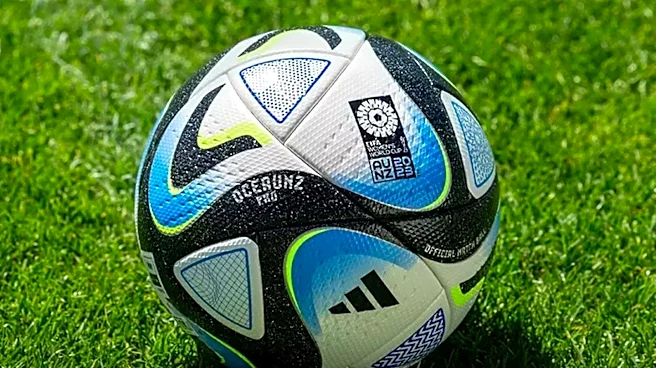
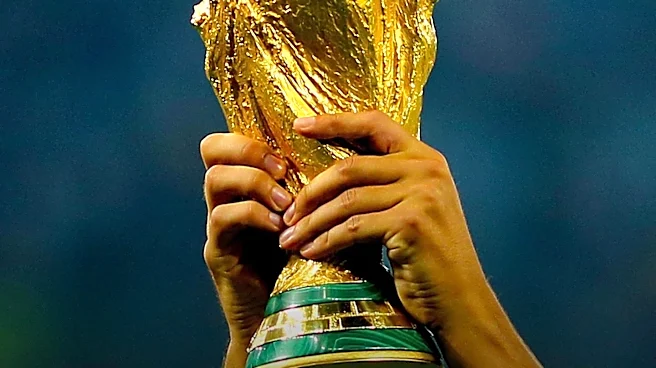
The FIFA World Cup 2026, hosted in North America, is anticipated to have a significant and enduring impact on the U.S. sports scene. The tournament, described as the most extravagant in history, exceeded commercial and financial expectations. According
to Euan Jones, a public relations expert for Casinos.com, the event was a major success from a marketing perspective, with strong attendance and healthy television audiences. The World Cup aimed to boost engagement in the North American market, not just for immediate profit but to build a long-term relationship with fans. The marketing strategy included collaborations with celebrities and expanded digital content, aiming to appeal beyond traditional football audiences.
Why It's Important?
The significance of the FIFA World Cup 2026 extends beyond the event itself, as it represents a strategic effort to increase the popularity of soccer in the U.S., a market traditionally dominated by other sports. The tournament's success could lead to increased viewership for Major League Soccer (MLS) and European football, as well as higher attendance at future matches. This could result in substantial economic benefits through merchandising, TV rights, and endorsement deals. The World Cup's ability to maintain its presence in mainstream culture and media is crucial for sustaining interest and achieving FIFA's long-term objectives in the region.
What's Next?
The real test of the World Cup's impact will be whether it translates into sustained interest in soccer in the U.S. over the coming years. FIFA will be looking to see if more fans engage with MLS, follow European leagues, or plan to attend future matches. The success of the 2026 World Cup will be measured by these metrics, as well as by the financial returns from related commercial activities. Stakeholders in the sports industry will be closely monitoring these developments to assess the tournament's long-term influence on the U.S. sports market.