

What's Happening?
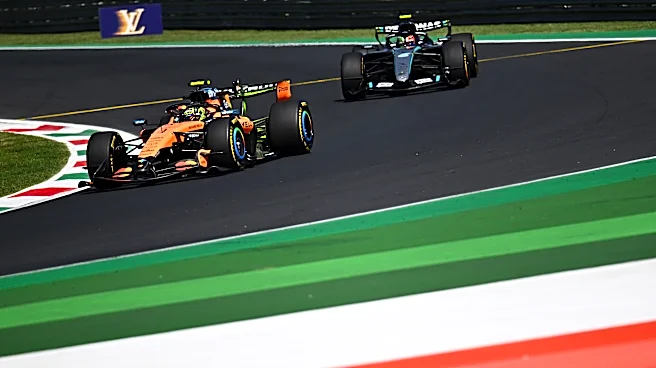
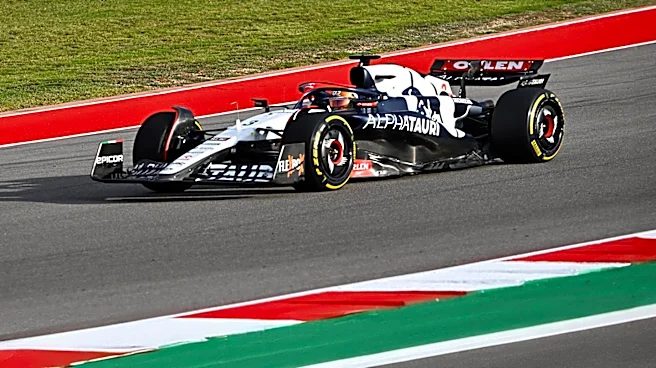
Liam Lawson, driving for Red Bull, faced scrutiny over his defensive driving tactics during the Italian Grand Prix at Monza. An incident involving Lawson and Nico Hulkenberg occurred at the restart after an early red flag, where the two drivers made contact
heading into Turn 1. A subsequent incident into the Roggia chicane was also investigated by stewards, though no further action was taken. Hulkenberg described Lawson's defensive moves as 'sketchy' and a 'signature' move, noting that Lawson 'just likes to squeeze' and rarely leaves the mandatory one-car width of space. Lawson, who started from the pit lane due to penalties, lost part of his front wing in the contact with Hulkenberg, necessitating an unscheduled pit stop. This incident significantly hampered his race, leading to a 14th-place finish, while Hulkenberg finished 12th, with neither driver scoring points. Lawson acknowledged the contact but stated he lost a mirror, impairing his ability to see on his right side.
Why It's Important?
This incident highlights ongoing discussions within Formula 1 regarding driver conduct and safety, particularly concerning defensive maneuvers at high speeds. The sport's regulations emphasize leaving sufficient space for competitors, and any perceived deviation can lead to investigations and potential penalties. For Liam Lawson, a driver standing in for Red Bull, such scrutiny can impact his reputation and future prospects in the highly competitive F1 environment. Consistent complaints or investigations into 'sketchy' driving could lead to stricter penalties from the FIA, influencing how drivers approach on-track battles. For teams, incidents like these can result in unexpected damage and pit stops, compromising race strategies and costing valuable championship points. The dialogue among drivers and stewards about maintaining safe racing standards is crucial for the integrity and safety of the sport, especially at circuits like Monza known for high-speed racing.
What's Next?
Following the Italian Grand Prix, the FIA's decision not to take further action on the incident between Lawson and Hulkenberg suggests that, for now, Lawson's driving was deemed within acceptable limits, despite Hulkenberg's concerns. However, the public discussion and Hulkenberg's comments about Lawson's 'signature' defensive style may lead to increased observation of Lawson's driving in future races by both competitors and race stewards. Drivers' briefings often address such on-track conduct, and it is possible that the topic of leaving sufficient space at high speeds will be reiterated. For Lawson, continuing to perform under the Red Bull banner means every on-track action is under intense scrutiny, and he will likely be keen to avoid further incidents that could draw negative attention or lead to penalties, especially as he aims to secure a permanent spot in Formula 1.
Beyond the Headlines
The incident between Liam Lawson and Nico Hulkenberg touches upon the broader philosophical debate in motorsport about aggressive versus fair racing. While drivers are expected to push limits, there's a fine line between assertive defense and dangerous blocking. This dynamic is central to the spectacle of Formula 1, where close wheel-to-wheel action is celebrated, but safety remains paramount. The 'sketchy' label applied by Hulkenberg reflects a driver's perspective on what constitutes acceptable risk and respect on the track. Such perceptions, even without formal penalties, can influence how other drivers race against Lawson in the future, potentially leading to more cautious or, conversely, more aggressive responses. This ongoing tension between competitive instinct and regulatory compliance shapes the unwritten rules of engagement in F1, impacting driver reputations and the overall sporting narrative.