







What's Happening?
The global press brake machine market is projected to experience steady growth from 2026 to 2035, with a compound annual growth rate (CAGR) of approximately 4.8%. This expansion is driven by the transition from traditional hydraulic models to electric
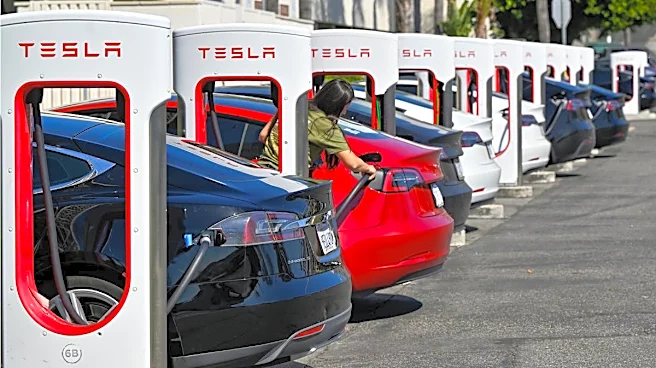
and hybrid servo-driven systems, which offer enhanced precision, energy efficiency, and reduced maintenance costs. The automotive sector, particularly the shift to electric vehicles (EVs), is a significant demand driver, as EV battery housings and structural components require precise bending capabilities. The electronics and electrical equipment segment is also expanding, supported by demand for enclosures, chassis, and heat sinks for data centers, 5G infrastructure, and consumer electronics. Asia-Pacific remains the largest production base and fastest-growing demand region, with China contributing more than 40% of manufacturing output.
Why It's Important?
The shift towards electric and hybrid press brake machines reflects broader trends in manufacturing towards precision and energy efficiency. This transition is crucial for industries like automotive and electronics, which require high-precision components. The growth in the press brake machine market is indicative of the increasing demand for advanced manufacturing technologies that support the production of complex and miniaturized components. This trend is likely to benefit manufacturers who invest in modern, efficient equipment, while also supporting the broader push towards sustainable and energy-efficient industrial practices.
What's Next?
The market is expected to continue its growth trajectory, driven by ongoing electrification and modernization of fabrication facilities globally. Key risks include potential trade disruptions and rising raw material costs, which could impact margins. However, the adoption of Industry 4.0 technologies and supply-chain localization initiatives in Europe and North America are expected to support domestic assembly and reduce lead times. The market will also see increased investment in green building technologies and infrastructure projects, further driving demand for precision-bent metal components.