


What's Happening?
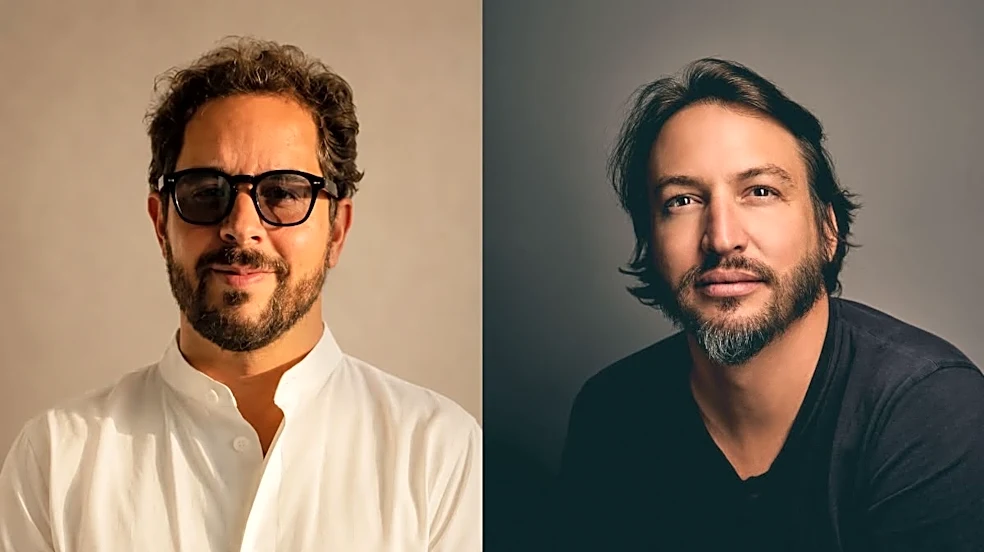
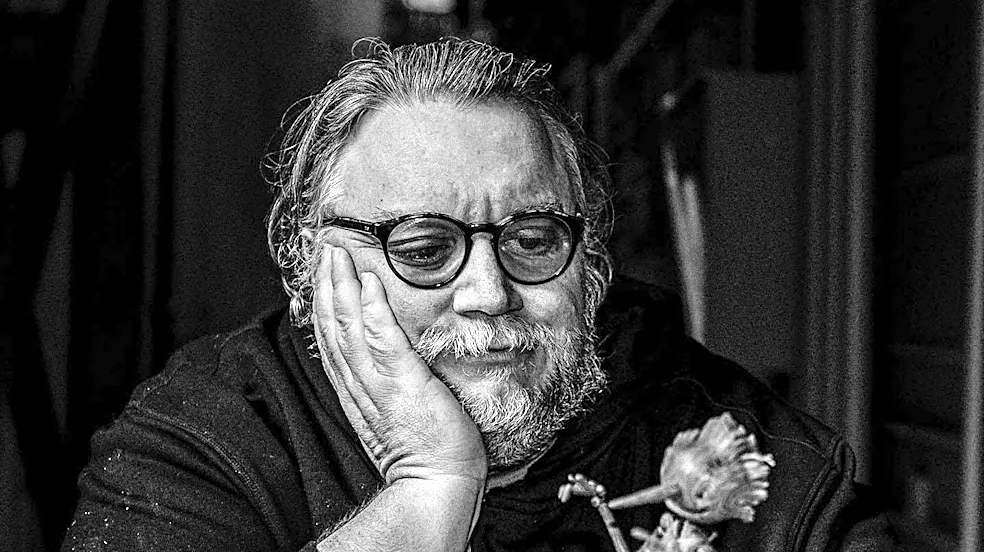
Travis Knight, CEO of Laika and director, has spoken about the arduous yet fulfilling process of creating his latest stop-motion film, 'Wildwood'. Knight, who is the son of Nike founder Phil Knight, chose stop-motion for 'Wildwood' despite acknowledging
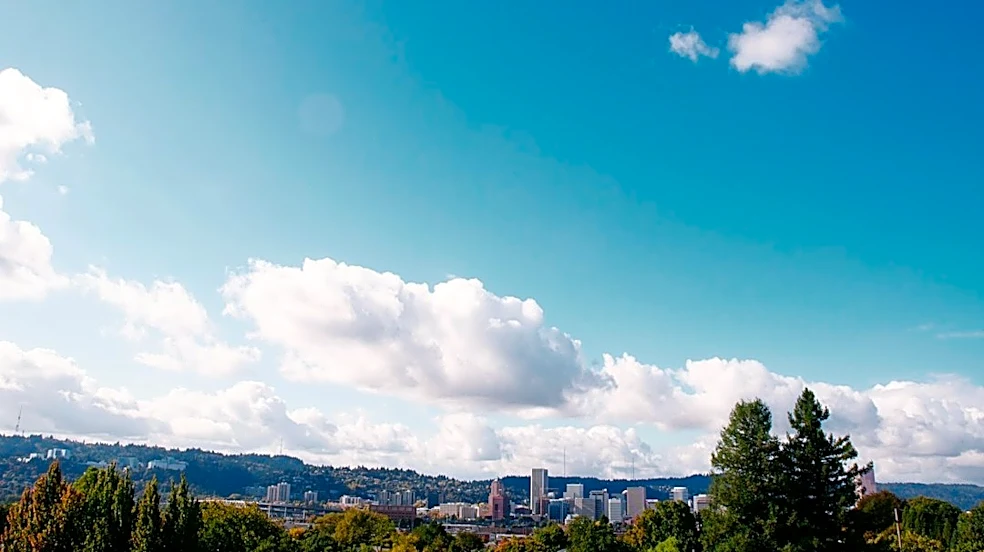
it as the most difficult method of filmmaking. He described the technique as one that inflicts the most suffering but also yields the greatest joys. The film is based on a children's book published in 2011, which Knight found deeply resonant, comparing its classic fantasy feel to works by Tolkien and C. S. Lewis, while also possessing a contemporary sensibility. The story is set in Portland, Knight's hometown, making the project particularly personal for him. He emphasized that the process of creating something leaves an imprint on the work itself, and the spirit of those involved lives on in its final form.
Why It's Important?
Knight's commitment to stop-motion animation, a labor-intensive and time-consuming art form, highlights a significant trend in the entertainment industry where artistic integrity and unique visual storytelling are prioritized over more conventional, often faster, digital animation techniques. This dedication supports the continued viability of traditional animation methods, providing employment for specialized artists and craftspeople. For audiences, it offers a distinct aesthetic and tactile quality that often resonates deeply, fostering a different kind of emotional connection than CGI. His perspective, coming from a background of significant financial resources, underscores that artistic passion can drive complex and challenging projects, potentially inspiring other filmmakers to explore less conventional methods. The success of films like 'Wildwood' can also influence industry trends, encouraging studios to invest in diverse animation styles and storytelling approaches, thereby enriching the cinematic landscape.
What's Next?
With 'Wildwood' now completed, the focus will shift to its reception and potential impact on the animation industry. The film's release will test audience appetite for stop-motion animation in a market often dominated by CGI. Knight's previous experience directing both stop-motion ('Kubo and the Two Strings') and live-action films ('Bumblebee') suggests a versatile approach to filmmaking, but his return to stop-motion with 'Wildwood' reaffirms his dedication to the craft. The technological advancements and new techniques developed during 'Wildwood's' production at Laika could also influence future projects within the studio and potentially inspire other animators. The film's performance will likely dictate future investments in similar projects and could further solidify Laika's reputation as a leader in the stop-motion field.
Beyond the Headlines
The choice of stop-motion for 'Wildwood' delves into deeper implications regarding the value of craftsmanship and human touch in an increasingly automated world. Knight's assertion that the difficulty of the process imbues the film with soul speaks to a philosophical stance on art creation. In an era where AI and digital tools are rapidly advancing, the deliberate slowness and physical effort of stop-motion stand as a testament to the enduring power of human artistry. This approach challenges the notion that efficiency and speed are always paramount in creative endeavors. Furthermore, Knight's personal connection to the story and setting, combined with his family's legacy, adds a layer of narrative depth, suggesting that personal investment can elevate a project beyond mere commercial enterprise. It highlights how individual vision, even within a large studio, can champion unique artistic expressions.