
What's Happening?
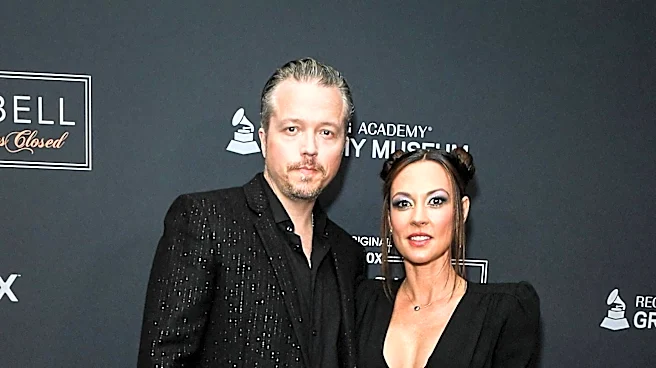
Jason Isbell, along with other artists including Guy Forsyth, Eduardo Calle, and David Lowery of Camper Van Beethoven, has filed a lawsuit against the AI music platform Suno. The lawsuit, filed in U.S.
District Court in Boston, alleges that Suno generates music based on the artists' names and musical identities without their permission. According to The Wall Street Journal, the artists claim that Suno's technology uses a 'distillation of the identifying attributes' that make a listener recognize their unique sound. While Suno states it blocks artists' names from being used as prompts, the lawsuit contends that these safeguards are easily bypassed, for example, by adding spaces between letters in a name. The plaintiffs are seeking unspecified damages. Suno has responded, stating they believe the claims are 'without merit' and that their platform aims to help people create 'new, original music,' not to trade on anyone's name.
Why It's Important?
This lawsuit is a significant development in the ongoing legal and ethical debate surrounding artificial intelligence and intellectual property rights in the U.S. music industry. It highlights the growing tension between technological innovation and the protection of artists' creative works and identities. The core issue revolves around whether AI models, trained on existing music, are infringing on copyrights and the unique 'musical identity' of artists when generating new content. The outcome of this case could set a precedent for how AI companies are regulated in their use of copyrighted material and how artists' rights are defined in the age of generative AI. It also underscores the financial implications for artists, who rely on their unique sound and creations for their livelihood, and the potential for AI to devalue or exploit their work without proper compensation or consent.
What's Next?
The lawsuit will proceed in U.S. District Court in Boston, where both parties will present their arguments regarding the alleged unauthorized use of musical identities by Suno. The legal process will likely involve detailed examinations of Suno's AI training data, its content generation mechanisms, and the effectiveness of its safeguards against misuse. This case is part of a larger trend, as Suno is already facing copyright infringement lawsuits from major music entities like Sony and Universal Music Group. The legal battles will continue to shape the future of AI in music, potentially leading to new regulations, industry standards, or licensing agreements for AI platforms. The music industry, artists, and AI developers will closely watch the proceedings for clarity on intellectual property rights in the rapidly evolving AI landscape.
Beyond the Headlines
Beyond the immediate legal implications, this lawsuit delves into profound questions about creativity, originality, and the very definition of artistic identity in the digital age. If AI can mimic an artist's style so closely that it's recognizable, does that constitute an infringement on their 'musical identity' even if no direct copyrighted material is copied? This case forces a re-evaluation of what constitutes 'original' creation when AI can generate content that is derivative yet distinct. It also raises ethical concerns about the potential for AI to dilute or exploit the unique contributions of human artists, potentially leading to a future where the value of human creativity is diminished. The outcome could influence not only the music industry but also other creative fields grappling with the advancements of generative AI, prompting a broader societal discussion on the boundaries of AI's creative capabilities and the rights of human creators.