






What's Happening?
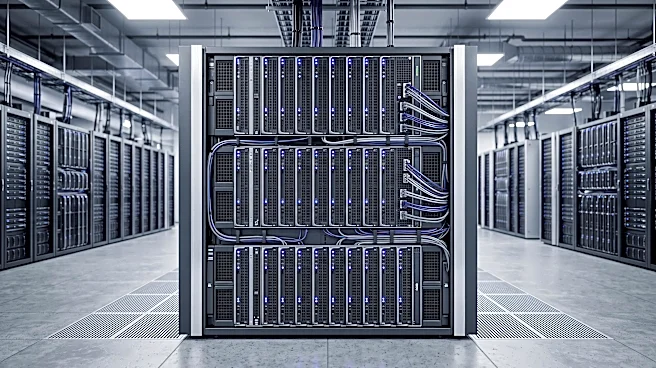
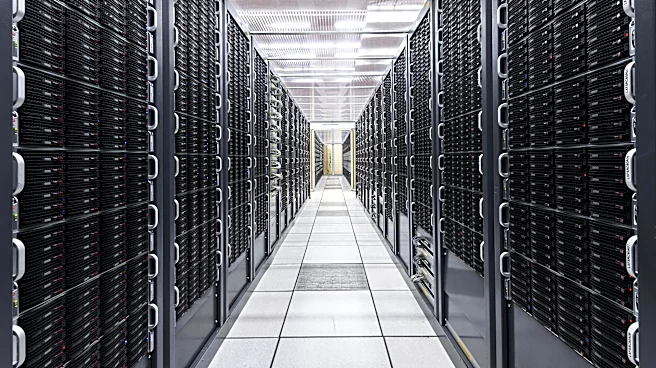
Gartner projects global spending on Artificial Intelligence (AI) to reach $4.05 trillion by 2027, marking a 47.5% increase. A significant portion of this expenditure, approximately $2.4 trillion, is expected to be allocated to AI infrastructure, representing
a 53% increase from 2026. This growth in infrastructure spending is attributed to several factors, including the escalating demand for inference workloads (running trained AI models) and increasingly compute-intensive training workloads. Additionally, the continuous build-out of AI infrastructure by hyperscalers and neocloud providers, coupled with rising memory costs for AI servers, are contributing to the higher financial outlay. While infrastructure dominates the spending, categories like AI agents and assistants are projected to be the fastest-growing, with spending expected to more than double from $30 billion in 2026 to $67 billion in 2027. AI cybersecurity spending is also forecast to reach $86 billion, up about 69%.
Why It's Important?
This substantial increase in AI spending, particularly in infrastructure, signifies a critical shift in technological investment priorities for businesses and governments globally. For U.S. industries, this forecast indicates a continued surge in demand for advanced computing hardware, data centers, and specialized AI components, benefiting semiconductor manufacturers, cloud service providers, and hardware developers. The rising costs associated with memory and server infrastructure could impact the profitability and operational budgets of companies heavily investing in AI. Furthermore, the rapid growth in AI agents and assistants suggests a future where AI-powered tools will become more integrated into daily business operations, potentially transforming customer service, automation, and productivity across various sectors. The significant investment in AI cybersecurity also highlights the growing recognition of security risks associated with widespread AI adoption, driving demand for specialized solutions in this area.
What's Next?
The projected spending trends suggest that companies will continue to prioritize investments in robust AI infrastructure to support their growing AI initiatives. This will likely lead to further innovation in server technologies, memory solutions, and data center efficiency. Cloud providers are expected to expand their capacities significantly to meet the demand for AI workloads, potentially leading to increased competition and new service offerings. Businesses that have not yet heavily invested in AI infrastructure may face challenges in keeping pace with competitors who are leveraging these advanced capabilities. The rapid growth in AI agents and assistants will likely drive the development of more sophisticated and specialized AI applications, impacting how businesses interact with customers and manage internal processes. Regulatory bodies may also begin to focus more on the implications of widespread AI adoption, particularly concerning data privacy, ethical AI use, and cybersecurity standards.
Beyond the Headlines
The forecast points to a deeper trend of AI becoming a foundational technology, akin to electricity or the internet, rather than a niche application. The 'memflation' and increased server costs suggest that the economic landscape of AI development is evolving, potentially favoring larger enterprises with greater capital to invest in infrastructure. This could create a barrier to entry for smaller companies or startups, leading to a more consolidated AI industry. The emphasis on infrastructure also highlights the physical demands of AI, such as energy consumption and real estate for data centers, which could have environmental and urban planning implications. Furthermore, the rapid development and deployment of AI agents and assistants raise ethical questions about job displacement, algorithmic bias, and the nature of human-computer interaction, which will require careful consideration as these technologies become more pervasive.