


What's Happening?
Jacob Siwicki, an NCSF and AFAA Certified Personal Trainer and co-founder of Siwicki Fitness, has outlined five bodyweight exercises particularly beneficial for seniors to build functional strength and mobility. These exercises are designed to reduce
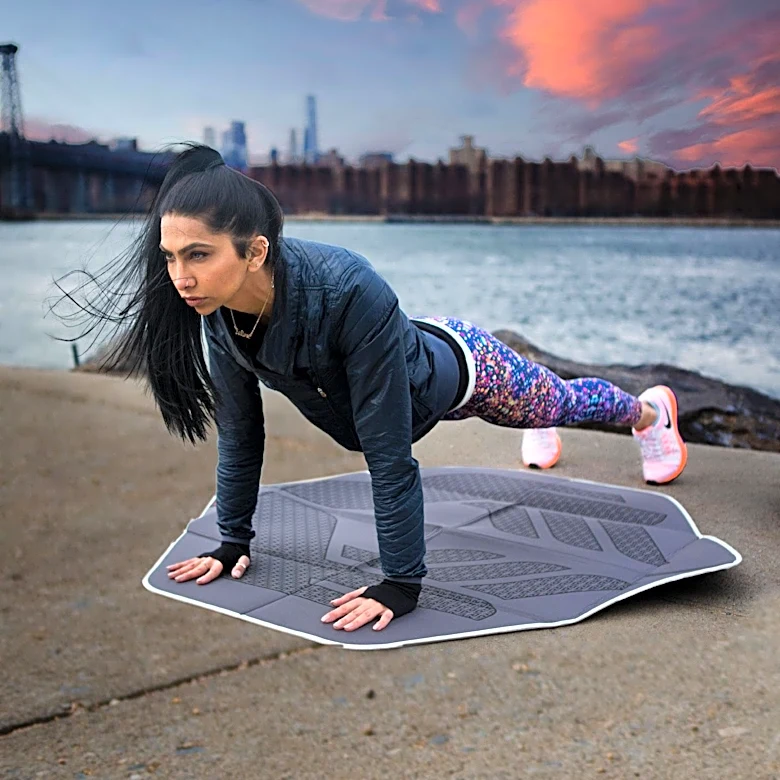
the risk of falls, protect bones, and slow muscle loss associated with aging. The recommended routine includes planks, pushups, wall sits, crunches, and supported single leg deadlifts. Siwicki emphasizes that these exercises can be modified for beginners, such as starting planks on knees or pushups against a wall, and can be performed without heavy weights. The routine suggests a quick warm-up followed by 30-second intervals of each exercise, repeated three times, to form an effective workout.
Why It's Important?
Maintaining functional strength and mobility is crucial for the aging U.S. population, directly impacting their independence and quality of life. With an increasing number of older adults, initiatives that promote accessible and effective fitness routines, like the one proposed by Siwicki, can significantly reduce healthcare burdens related to falls and age-related muscle degeneration. These bodyweight exercises offer a low-barrier entry to strength training, making it feasible for many seniors to incorporate into their daily lives without needing gym memberships or specialized equipment. This approach can empower individuals to proactively manage their physical health, potentially leading to fewer injuries, enhanced daily functioning, and a more active lifestyle, thereby benefiting both individuals and the broader healthcare system.
What's Next?
Individuals interested in improving their functional strength and mobility can begin incorporating these bodyweight exercises into their routines. As the exercises become easier, Siwicki suggests increasing resistance, for example, by adding weights, though the initial focus is on bodyweight. It is always recommended for individuals recovering from specific injuries to seek personalized advice from a qualified professional before starting any new exercise regimen. The widespread adoption of such accessible fitness guidance could lead to a greater emphasis on preventive health measures for seniors, potentially influencing public health campaigns and community fitness programs to include more bodyweight-focused training.
Beyond the Headlines
The emphasis on bodyweight exercises for seniors highlights a broader shift towards functional fitness, which prioritizes movements that mimic daily activities over isolated muscle training. This approach not only builds physical strength but also enhances balance and coordination, critical components for preventing falls in older adults. The accessibility of these exercises, requiring minimal to no equipment, addresses socioeconomic barriers to fitness, making health improvements attainable for a wider demographic. This trend could foster a more inclusive fitness culture, encouraging lifelong physical activity and challenging traditional notions that advanced age necessitates a sedentary lifestyle. It also underscores the importance of expert guidance in tailoring exercise to individual needs and capabilities.