






What's Happening?
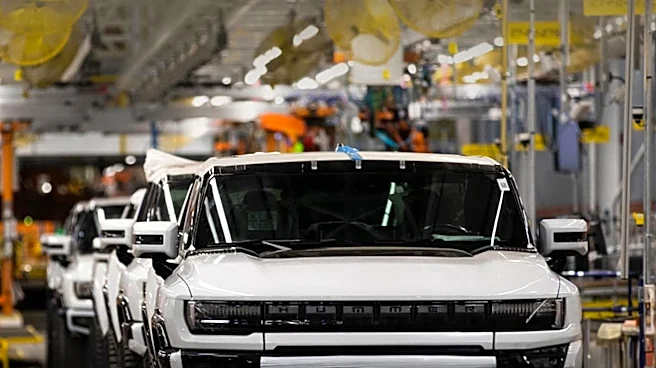
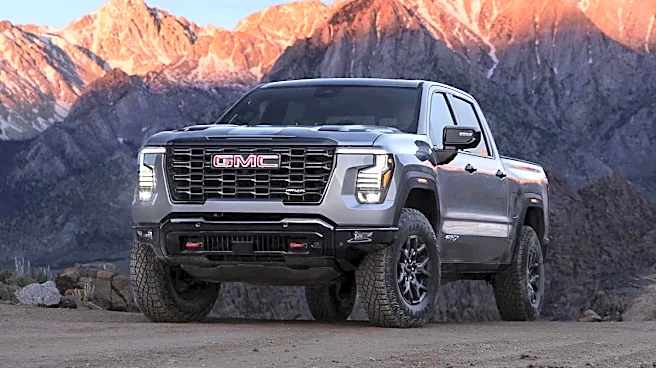
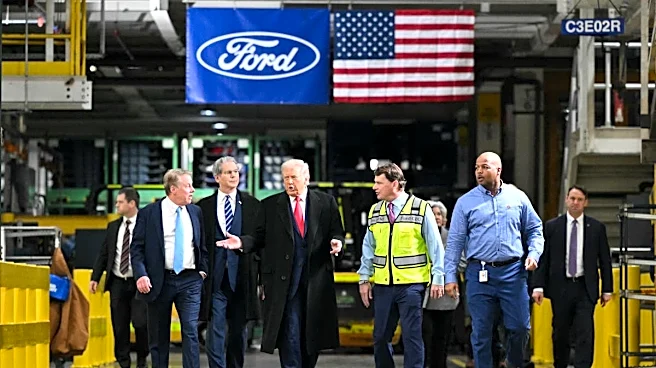
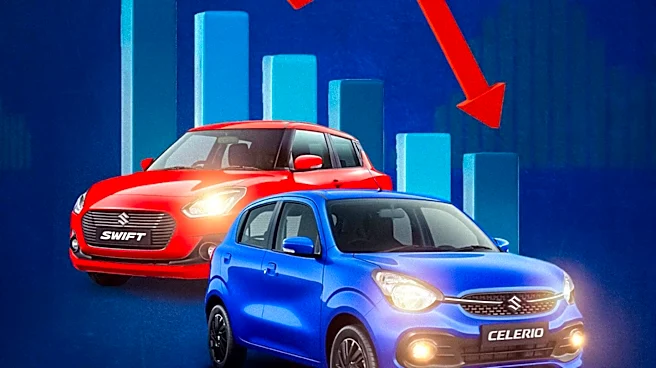
The automotive industry is experiencing significant market shifts as major brands like GM, Ford, and Tesla are losing market share to competitors such as Toyota, Hyundai, and Stellantis. This change is attributed to rising hybrid demand and shifts in product
mix, as reported by Cox Automotive. Despite the challenges posed by $4 gas prices, new-vehicle sales are maintaining momentum, with a forecasted 16.1 million Seasonally Adjusted Annual Rate (SAAR) for June. The industry is adapting to consumer preferences for more fuel-efficient and hybrid vehicles, which is influencing the competitive landscape.
Why It's Important?
The shift in market share among major automotive brands highlights the evolving consumer preferences towards hybrid and more fuel-efficient vehicles. This trend is significant for the U.S. automotive industry as it indicates a potential long-term shift in consumer demand, which could impact manufacturing strategies, dealership operations, and overall market dynamics. Brands that fail to adapt to these changes may face declining sales and reduced market presence. Conversely, companies that align their product offerings with consumer preferences for hybrid vehicles stand to gain market share and strengthen their competitive position.
What's Next?
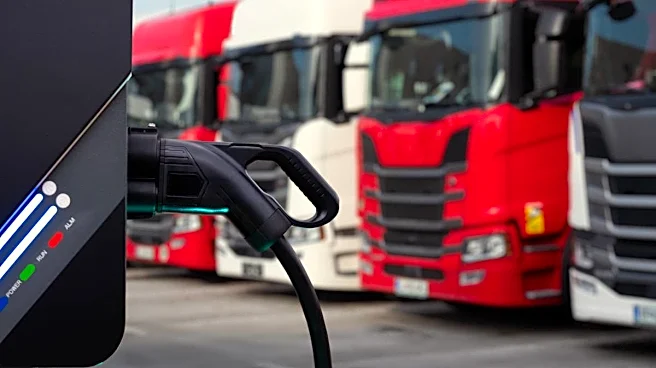
As the automotive industry continues to adapt to changing consumer preferences, manufacturers may increase their focus on developing and marketing hybrid and electric vehicles. This could lead to further innovation in vehicle technology and design, as well as strategic partnerships and investments in sustainable automotive solutions. Additionally, dealerships may need to adjust their sales strategies and inventory to meet the growing demand for hybrid vehicles. The ongoing market shifts could also prompt regulatory changes and incentives to support the transition to more environmentally friendly vehicles.