




What's Happening?
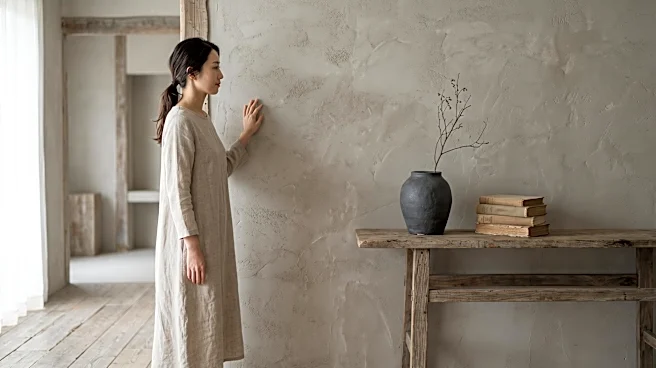
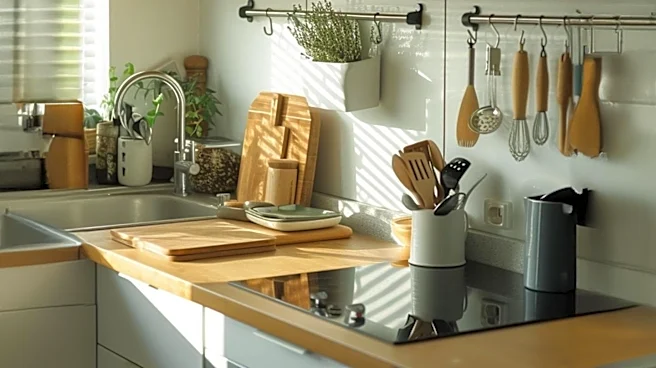
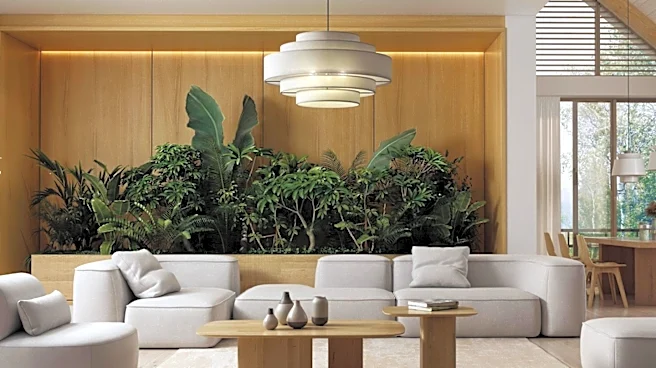
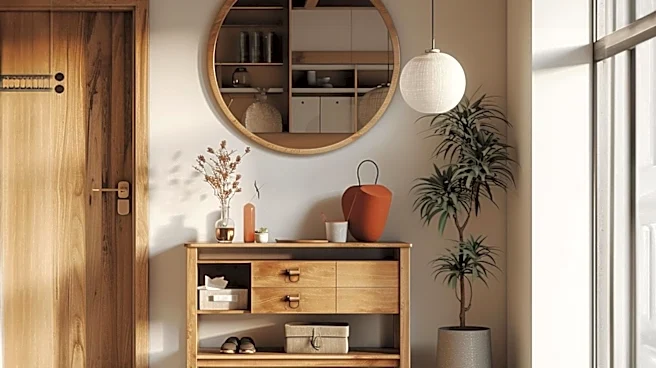
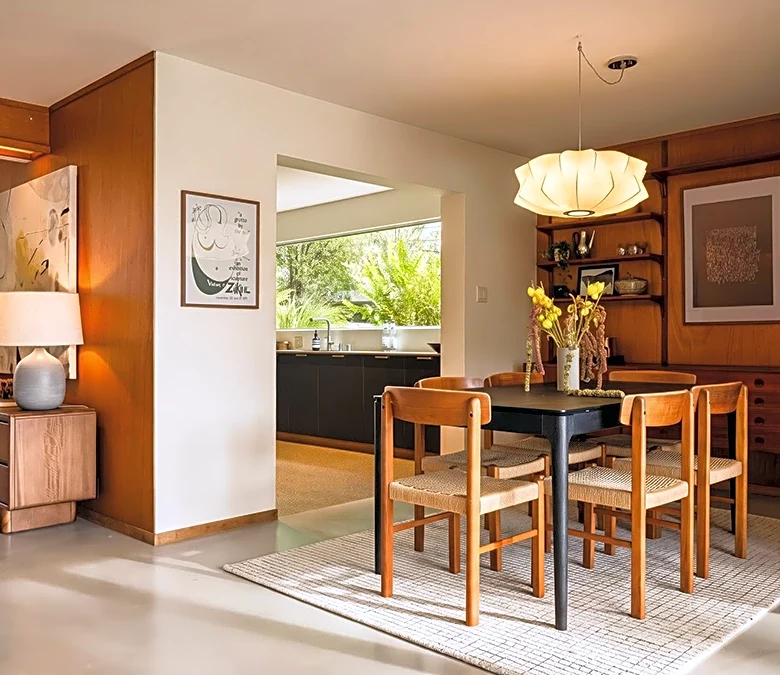
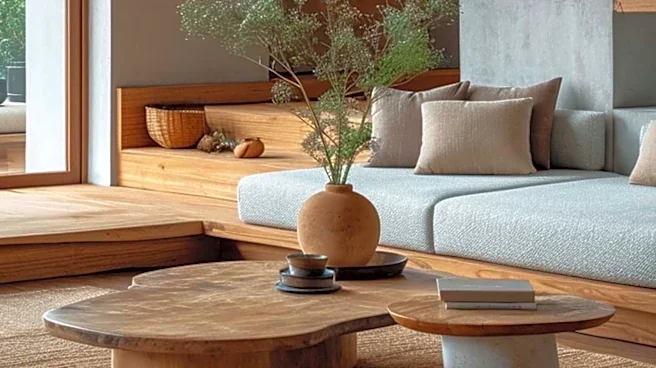
Japandi style, a design aesthetic combining Japanese and Scandinavian principles, is gaining prominence. This style is characterized by its warm minimalism and a strong emphasis on natural, durable materials. It focuses on creating spaces that are intended
to age gracefully, often incorporating elements such as tatami rooms, shoji doors, natural wood floors, and Japanese tiles. The core philosophy of Japandi design is to elevate a space through thoughtfully chosen materials without overwhelming it, promoting a serene and contemporary atmosphere. This approach is frequently seen in high-end residential interior proposals, luxury apartment staging, and boutique hotel suite designs, showcasing renovation expertise.
Why It's Important?
The rise of Japandi style reflects a broader shift in design preferences towards sustainability, longevity, and a connection to nature. For the U.S. interior design and home furnishing industries, this trend signifies a growing demand for products that are not only aesthetically pleasing but also durable and environmentally conscious. Businesses that can adapt to this demand by offering natural wood furniture, minimalist decor, and high-quality textiles are likely to gain market share. Consumers stand to benefit from living spaces that promote tranquility and well-being, moving away from fast-fashion interior trends towards more timeless and investment-worthy pieces. This trend could also influence architectural practices, encouraging the integration of traditional Japanese and Scandinavian design elements into modern American homes.
What's Next?
As Japandi style continues to gain traction, we can anticipate an increased availability of related products in the U.S. market, from furniture and lighting to textiles and architectural finishes. Interior designers and architects are likely to further integrate these principles into their projects, leading to more homes and commercial spaces adopting this aesthetic. Educational resources and workshops on Japandi design may also become more prevalent, catering to both professionals and DIY enthusiasts. Furthermore, the influence of Japandi could extend beyond interior design, potentially impacting fashion and lifestyle brands that align with its core values of simplicity, naturalness, and craftsmanship.
Beyond the Headlines
The adoption of Japandi style goes beyond mere aesthetics; it represents a cultural convergence and a philosophical approach to living. It encourages a mindful consumption pattern, where quality and longevity are prioritized over fleeting trends. This emphasis on natural materials and craftsmanship can foster a greater appreciation for artisanal work and sustainable production methods. Ethically, it promotes a less wasteful lifestyle by advocating for durable goods that are meant to last. Culturally, it introduces elements of Japanese and Scandinavian philosophies into American homes, encouraging a sense of calm, order, and connection to nature, which can have positive psychological impacts on inhabitants.