





What's Happening?
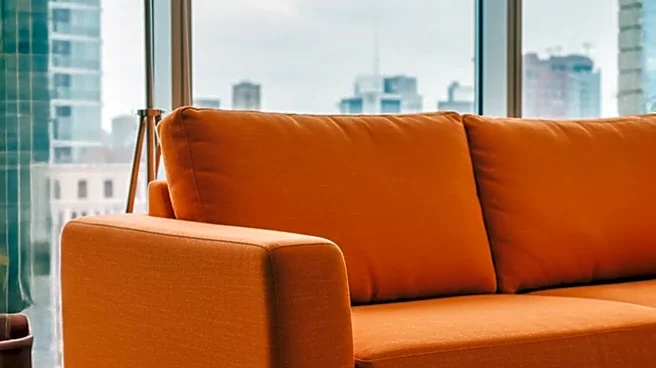
Traditional Feng Shui emphasizes specific guidelines for sofa placement to enhance a home's energy flow and comfort. The 'command position' is a key concept, advocating for a sofa to be placed against a solid wall with a clear view of the main entrance,
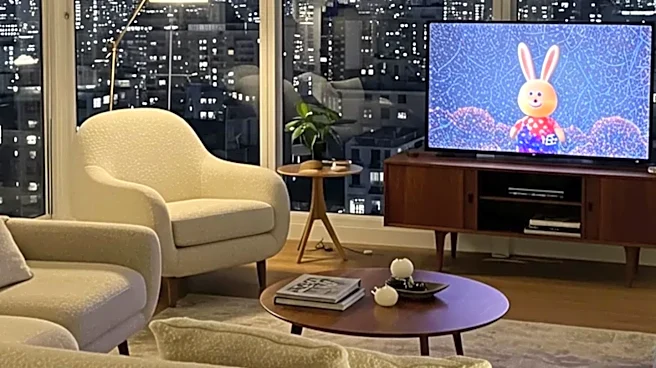
though not directly aligned with it. This setup is believed to provide a sense of support and awareness within the room. However, practical considerations such as room proportions, natural light, and circulation often necessitate deviations from these ideal placements. For instance, a sofa might need to be near a window or float in an open-plan space. In such cases, prioritizing comfort, functionality, and clear pathways is crucial. The back of a floating sofa can be visually anchored with a console table, and a rug can help define the seating area. The choice of sofa—its size, shape, and material—should also align with the room's scale and overall aesthetic, rather than strictly adhering to symbolic interpretations.
Why It's Important?
The application of Feng Shui principles to sofa placement is important for creating living spaces that promote well-being and a sense of stability. By considering factors like the 'command position,' homeowners can foster an environment that feels secure and inviting. While not scientifically proven, the psychological impact of a well-arranged space can contribute to reduced stress and improved mental clarity. For instance, a sofa that allows occupants to see the entrance without being directly in its path can enhance a feeling of control and safety. Conversely, poor placement, such as blocking walkways or obstructing natural light, can lead to discomfort and a disrupted flow of energy, potentially affecting the mood and functionality of the home. This approach encourages thoughtful interior design that goes beyond mere aesthetics, aiming to create a harmonious living experience.
What's Next?
Homeowners and interior designers can continue to integrate Feng Shui principles with modern design practices to optimize living spaces. Future trends may see a greater emphasis on flexible furniture arrangements that can adapt to various room layouts while still adhering to core Feng Shui concepts. Manufacturers might also design sofas with features that facilitate better Feng Shui placement, such as finished backs for floating arrangements or modular designs that can be easily reconfigured. Educational resources on Feng Shui are likely to expand, offering more practical advice for applying these ancient principles in contemporary homes, balancing traditional wisdom with functional needs. This ongoing integration will help individuals create spaces that are both aesthetically pleasing and conducive to positive energy and comfort.
Beyond the Headlines
Beyond the immediate impact on home aesthetics and comfort, the adoption of Feng Shui principles in sofa placement reflects a broader cultural shift towards holistic living and mindfulness in design. It highlights a growing appreciation for how our physical environment influences our psychological and emotional states. The emphasis on 'support' (solid wall behind the sofa) and 'awareness' (view of the entrance) taps into fundamental human needs for security and control. This approach encourages a deeper connection between individuals and their living spaces, transforming furniture arrangement from a purely functional task into a deliberate act of creating harmony and balance. It also underscores the enduring influence of ancient traditions on modern lifestyle choices, demonstrating how timeless wisdom can be adapted to enhance contemporary living.