





What's Happening?
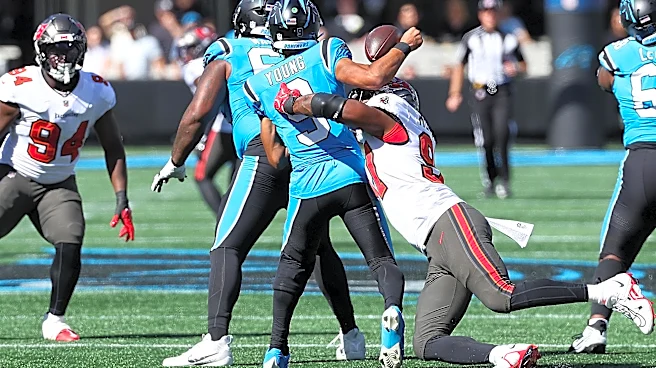
The Carolina Panthers are facing criticism from fans following a significant 43-13 loss to the Buccaneers, particularly concerning players engaging in ping pong in the locker room the day after the defeat. Fans expressed embarrassment and disgust, questioning
the team's focus and seriousness. Darin Gantt, a writer for Panthers.com, addressed these concerns, explaining that ping pong is often seen as a team-building activity during winning streaks but is perceived negatively during losses. He highlighted that players have long workdays, typically 12 hours, involving treatments, meetings, workouts, film study, and practice, with ping pong occurring during a brief lunch break. Veteran running back AJ Dillon emphasized the importance of mental breaks and not letting one game defeat them twice, especially on a short week.
Why It's Important?
This incident underscores the intense scrutiny and emotional investment of sports fans in their teams' performance and conduct. The perception of players' activities, even during downtime, can significantly impact fan morale and trust, especially after a demoralizing loss. For professional sports organizations, managing public perception and maintaining a serious image is crucial for fan engagement and sponsorship. The differing interpretations of ping pong—as camaraderie versus lack of focus—illustrates the challenge teams face in balancing player well-being and public expectations. This situation highlights the delicate balance between allowing players to decompress and maintaining an appearance of unwavering dedication to winning, particularly in a high-stakes professional environment.
What's Next?
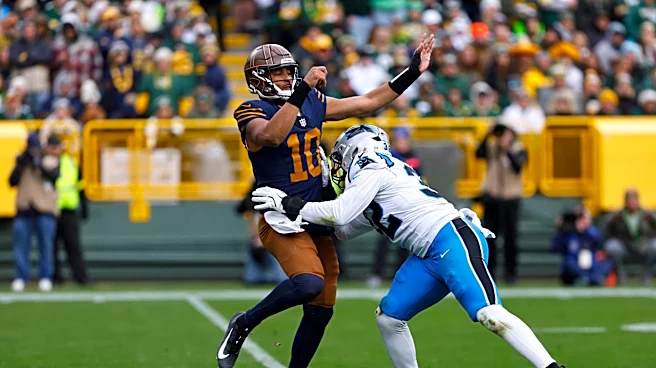
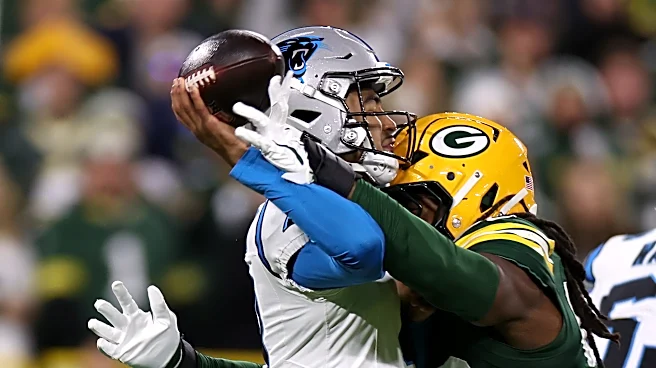
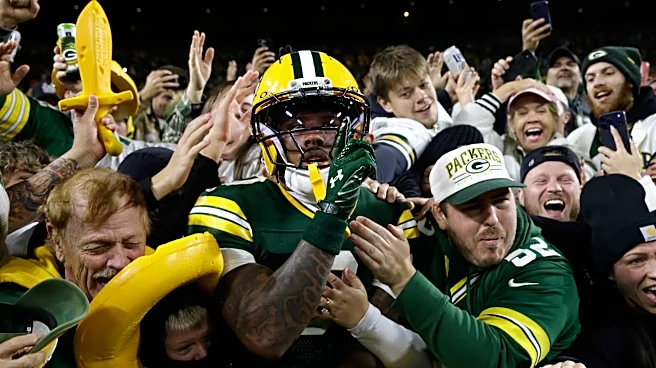
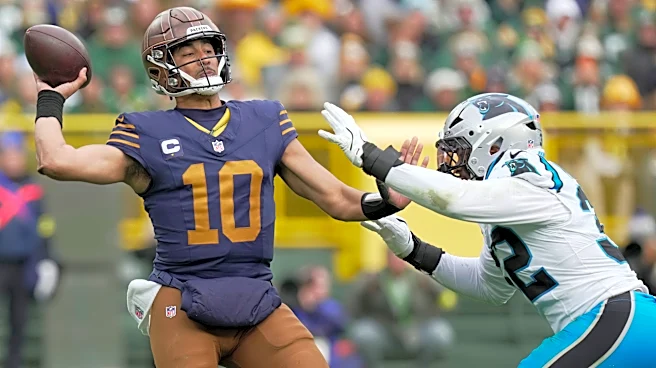
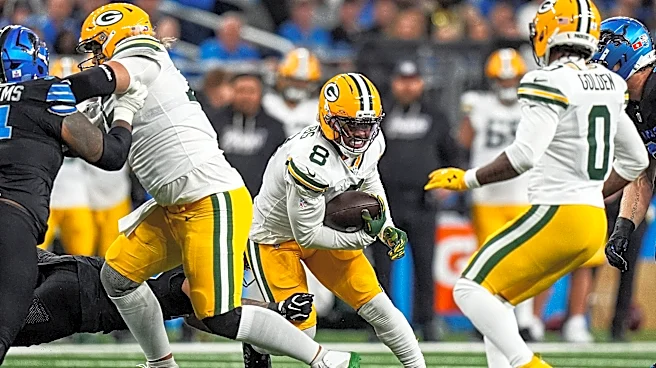
The Panthers are preparing for a Thursday night game against the Packers, a short week that necessitates quick recovery and refocusing. The team's performance in this upcoming game will likely be a significant factor in how fans perceive their response to the previous loss and the locker room incident. If the Panthers perform well, the criticism regarding the ping pong incident may subside, viewed as a necessary mental break. Conversely, another poor performance could intensify fan frustration and further questions about team culture and leadership. The organization will need to continue managing public relations and internal team dynamics to navigate these challenges effectively.
Beyond the Headlines
The controversy surrounding the Panthers' ping pong activity reveals deeper insights into the psychological demands of professional sports and the public's often unrealistic expectations of athletes. The concept of 'self-care' in a high-pressure environment is often misunderstood by the public, who may view any form of relaxation after a loss as indifference. This incident also touches on the selective nature of media portrayal, where a 15-second social media clip can overshadow 12 hours of intense work. It highlights the need for greater understanding between sports organizations and their fan bases regarding the realities of professional athletic life, including the mental and emotional toll of competition and the necessity for players to decompress to maintain peak performance.