





What's Happening?
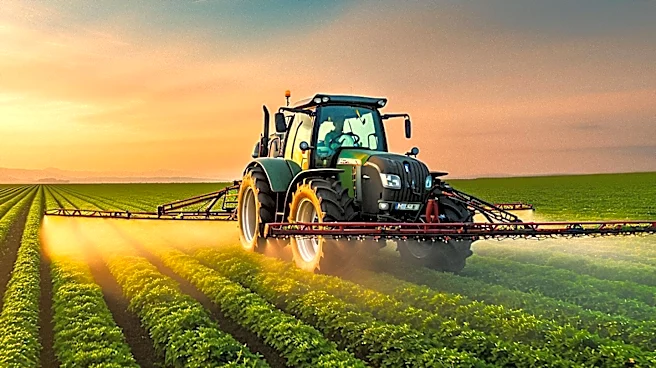
The agricultural sector is witnessing a significant shift towards biological crop protection products, which are derived from or inspired by nature, including microbes, peptides, RNA, natural extracts, and beneficial organisms. This move is driven by several
converging forces. Synthetic chemistry, which has been the primary defense in agriculture for seventy years, is facing challenges due to increasingly stringent regulatory timelines, the rapid evolution of pest resistance, and a patent cliff that is impacting the economics of innovation. Additionally, consumer demand for food with fewer detectable chemical inputs is pushing growers to seek alternative solutions. Biologicals offer novel modes of action that can break resistance cycles, align with consumer and regulatory expectations regarding residue and toxicity profiles, and often have faster and less expensive registration pathways compared to synthetic chemistry. This has led to biologicals moving from a niche market to a central focus within the industry.
Why It's Important?
This transition to biological crop protection holds significant implications for the U.S. agricultural industry, public policy, and economic stakeholders. For farmers, biologicals offer new tools to combat pests and diseases, especially as the effectiveness of traditional synthetic chemicals diminishes due to resistance and regulatory restrictions. This can lead to more sustainable farming practices and potentially higher yields in the long run. From a policy perspective, the faster and less expensive registration pathways for biologicals could encourage more innovation and investment in this area, potentially streamlining regulatory processes for new agricultural technologies. Economically, the biologicals segment is growing at a faster rate than the overall crop protection market, indicating a substantial market opportunity for companies developing these products. This shift could also impact the agrochemical industry, with major companies already making biologicals a strategic priority, leading to potential mergers, acquisitions, and a reorientation of research and development efforts. Consumers stand to benefit from food produced with fewer chemical residues, aligning with evolving preferences for healthier and more sustainably grown produce.
What's Next?
The trend towards biological crop protection is expected to continue, with further investment and innovation in this sector. Companies will likely focus on developing platform-based biologicals, which offer better innovation economics due to shorter development cycles and lower capital intensity per product. The differentiation of these products will be rooted in proprietary platforms, strains, sequences, and delivery technologies, rather than single expiring patents. Regulatory bodies may continue to adapt their frameworks to accommodate the unique characteristics of biological products, potentially further accelerating their market entry. As consumer demand for 'cleaner' food grows, growers will increasingly be pressured by buyers to adopt biological solutions, even if every consumer concern isn't scientifically proportionate. This will likely lead to a broader adoption of biologicals across various crop types and regions, further solidifying their role as a necessity rather than a niche in modern agriculture.
Beyond the Headlines
Beyond the immediate economic and regulatory shifts, the rise of biological crop protection signifies a deeper paradigm shift in how agriculture addresses pest management and sustainability. It highlights a move away from solely relying on synthetic chemical interventions towards a more integrated and ecologically conscious approach. This shift could foster greater biodiversity in agricultural ecosystems by reducing the broad-spectrum impact of synthetic pesticides. Ethically, it addresses growing public concerns about the environmental and human health impacts of chemical residues in food and water. Culturally, it reflects a broader societal trend towards natural and sustainable solutions, influencing consumer choices and agricultural practices. In the long term, this could lead to a more resilient and environmentally friendly food system, reducing agriculture's ecological footprint and enhancing its capacity to adapt to challenges like climate change and evolving pest pressures. The emphasis on proprietary platforms and delivery technologies also suggests a future where agricultural innovation is increasingly driven by biotechnology and advanced scientific understanding of natural processes.