





What's Happening?
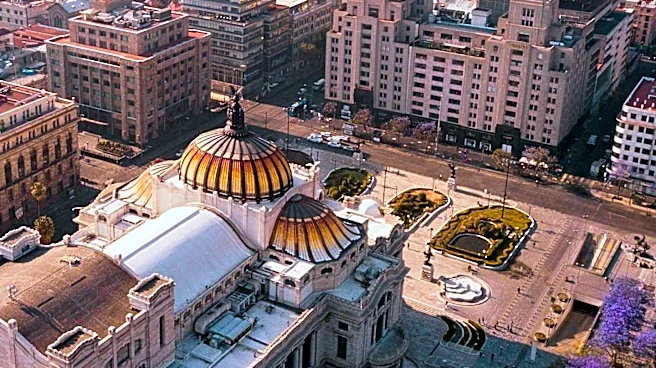
Mexico City is increasingly becoming a significant hub for international concert tourism, drawing music fans from the United States, Canada, Europe, and other regions. The city offers a compelling combination of major live performances, world-class entertainment
venues, and rich cultural experiences. Travelers are opting for Mexico City as an alternative location to attend international concerts, often extending their stays to enjoy sightseeing, local cuisine, and vibrant nightlife. Key venues like Estadio GNP Seguros, Palacio de los Deportes, and Auditorio Nacional host major artists, making the city an attractive stop on international touring schedules. This trend is supported by Mexico City's extensive hotel network, international air connections, and diverse attractions, which allow visitors to combine live entertainment with broader holiday experiences. The city's substantial population and established entertainment infrastructure further solidify its position as a major destination for large-scale performances.
Why It's Important?
The rise of Mexico City as a concert tourism destination holds significant implications for the U.S. entertainment and travel industries. For U.S. music enthusiasts, it provides an accessible and potentially more affordable alternative for attending major international concerts, especially when preferred performances are unavailable or expensive domestically. This shift could lead to a diversion of tourism dollars from U.S. cities to Mexico City, impacting U.S. concert venues, hotels, and related tourism sectors. Conversely, it also presents opportunities for U.S. travel agencies and airlines to cater to this growing demand for international music-focused travel. The trend highlights a broader consumer behavior where travelers are willing to cross borders for unique entertainment experiences, influencing how artists and promoters plan their global tours and pricing strategies. The economic impact extends beyond ticket sales, benefiting Mexico City's hospitality, transport, retail, and cultural sectors, potentially at the expense of similar industries in the U.S. that might otherwise host these events.
What's Next?
As Mexico City continues to solidify its reputation in concert tourism, it is expected that more major international artists will include the capital in their touring schedules. This will likely lead to increased competition for U.S. cities vying to host similar high-profile events. Stakeholders in the U.S. entertainment industry may need to adapt by offering more competitive pricing, unique experiences, or enhanced travel packages to retain their audience. For travelers, the availability of more international concert options in Mexico City could lead to a greater emphasis on comparing total holiday costs, including flights, accommodation, and local transport, rather than just ticket prices. The city's tourism sector will likely continue to invest in infrastructure and services to support this growth, potentially leading to further development of its entertainment venues and cultural attractions. This trend could also encourage other international cities to develop their concert tourism offerings, creating a more globally competitive landscape for live music events.
Beyond the Headlines
The emergence of Mexico City as a concert tourism hub reflects deeper shifts in global travel patterns and consumer preferences. It underscores a growing desire among travelers to combine entertainment with cultural immersion, seeking more holistic and enriching holiday experiences. This trend challenges the traditional model of music tourism, where the concert is the sole focus, by integrating it with broader cultural, historical, and culinary exploration. Ethically, it raises questions about the sustainability of such tourism, particularly concerning the impact on local communities and infrastructure, as well as the potential for cultural commodification. Legally, it may prompt discussions around international ticketing regulations, consumer protection for cross-border travel, and visa policies. Culturally, it signifies Mexico City's increasing prominence on the global stage, not just as a historical and culinary destination, but also as a vibrant contemporary cultural center, influencing perceptions and fostering cross-cultural exchange through the universal language of music.