






What's Happening?
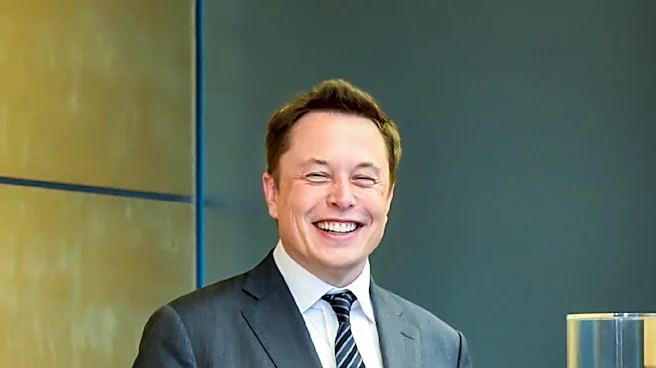
SpaceX, led by Elon Musk, has made a significant move by entering the bond market for the first time in its history. This decision follows the company's recent initial public offering, which raised $85.7 billion, making it one of the highest-valued companies
globally. Despite this financial success, SpaceX is seeking to restructure its balance sheet by replacing short-term bridge financing with longer-term debt. This move is intended to support its ambitious expansion plans in artificial intelligence and next-generation rocket development. However, the market has reacted with concern, as evidenced by a 9% drop in SpaceX's stock, marking a three-day streak of declines. Musk maintains centralized control with 82% voting power, and the choice to raise debt rather than issue more equity aims to benefit existing shareholders.
Why It's Important?
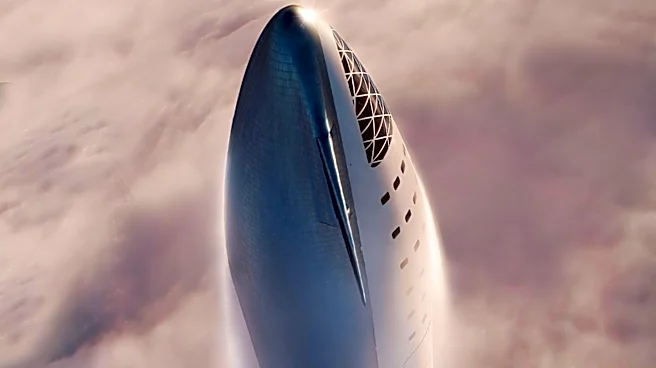
The decision to enter the bond market highlights SpaceX's need for substantial capital to fund its ambitious projects, including AI infrastructure and the Starship rocket. This move underscores the financial pressures even successful tech companies face when pursuing rapid expansion. The market's negative reaction reflects investor concerns about the company's spending rate and profitability, despite strong revenue growth from its Starlink satellite internet business. The outcome of this financial strategy could influence how other tech companies approach funding for large-scale projects, particularly in the space and AI sectors.
What's Next?
SpaceX's future steps will likely involve managing investor expectations and demonstrating the viability of its expansion plans. The company may need to provide more transparency about its financial health and strategic goals to regain investor confidence. Additionally, the success of its AI and rocket development projects will be crucial in justifying the current financial strategy. Stakeholders will be watching closely to see if SpaceX can balance its ambitious goals with sustainable financial practices.