








What's Happening?
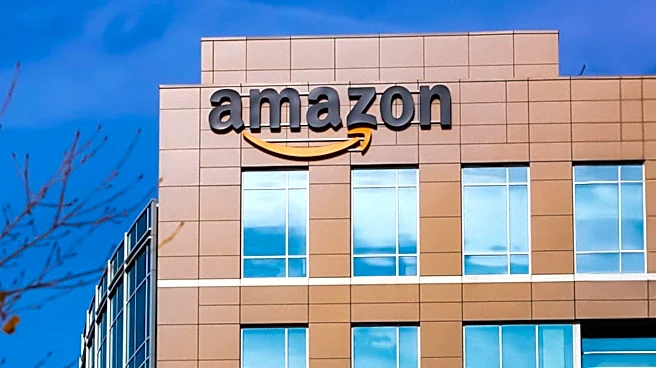
Amazon is facing multiple lawsuits alleging price-fixing practices that have reportedly led to increased prices across the internet. The California Attorney General and the Federal Trade Commission (FTC) have filed lawsuits claiming that Amazon's pricing
strategies have coerced suppliers into raising prices with its competitors. Internal emails and court documents suggest Amazon used algorithms to match competitors' prices and pressured suppliers to compensate for revenue losses. These practices allegedly resulted in higher prices for consumers on other retail platforms. Amazon denies these claims, arguing that its practices encourage competition and lower prices for consumers.
Why It's Important?
The lawsuits against Amazon could have significant implications for the retail industry and consumer pricing. If the courts find Amazon's practices to be anti-competitive, it could lead to changes in how large retailers use pricing algorithms and interact with suppliers. This case also highlights the power dynamics between major online platforms and their suppliers, raising questions about market fairness and consumer protection. A ruling against Amazon could prompt regulatory changes and influence how other tech giants conduct business.
What's Next?
The lawsuits are scheduled to go to trial in early 2027. If Amazon is found guilty of price-fixing, it may face substantial fines and be required to alter its business practices. The outcome could also influence ongoing and future antitrust investigations into other large tech companies. Stakeholders, including competitors, suppliers, and consumer advocacy groups, will be closely watching the proceedings for potential impacts on the retail landscape.