


What's Happening?
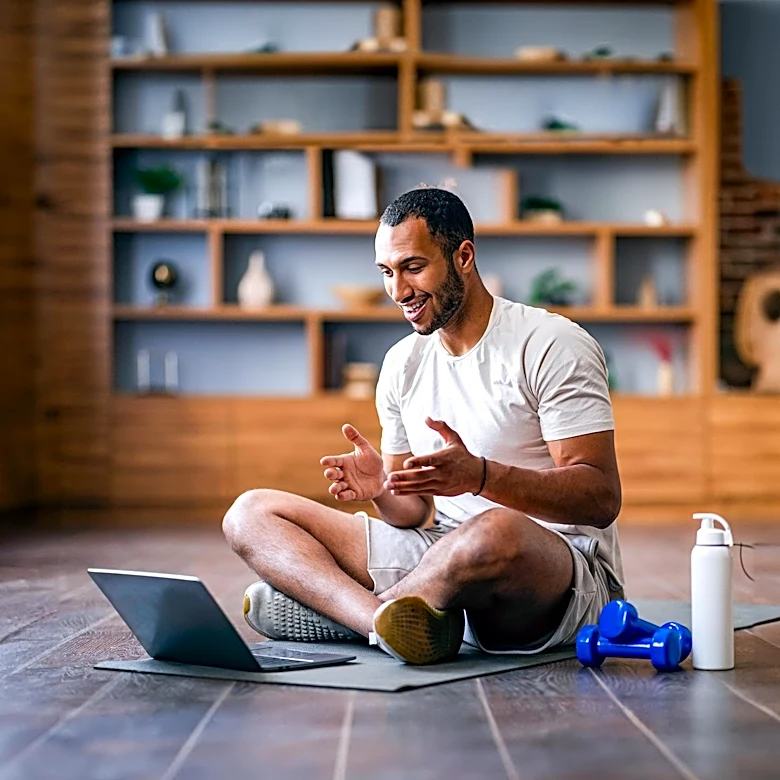
Fitness Blender provides a range of workout options, including lower body endurance and strength training, kettlebell and bodyweight exercises, active recovery and stretching, and floor-based total body mobility. The platform also offers guided practices
designed to boost user motivation. Users can register for free to create and monitor their workout routines, access existing exercise programs, and engage with a supportive community of other members. Beyond structured workouts, Fitness Blender fosters community discussions and delivers motivational content to its users. This comprehensive approach aims to make fitness accessible and engaging for individuals at various levels of their fitness journey.
Why It's Important?
The availability of platforms like Fitness Blender is significant for the U.S. fitness industry and public health. By offering diverse and accessible workout programs, it caters to a broad demographic, including those who may not have access to traditional gyms or prefer home-based fitness solutions. The free membership option lowers the barrier to entry, potentially encouraging more individuals to adopt healthier lifestyles. The emphasis on community support and motivational content addresses common challenges in fitness adherence, such as lack of motivation and feelings of isolation. This model can contribute to improved public health outcomes by promoting regular physical activity and fostering a sense of accountability among users. For the fitness industry, it represents a growing trend towards digital and community-driven wellness solutions, potentially influencing how traditional fitness services adapt and innovate.
What's Next?
Fitness Blender is likely to continue expanding its library of workout programs and enhancing its community features to retain and attract new users. Future developments might include more personalized workout plans based on user data, integration with wearable fitness technology, or partnerships with health and wellness experts to offer specialized content. The platform could also explore premium subscription tiers for advanced features or exclusive content, building on its free-to-join model. As the digital fitness landscape evolves, Fitness Blender will need to continuously innovate to stay competitive, potentially by incorporating live classes, interactive challenges, or more sophisticated progress tracking tools to keep its user base engaged and motivated.
Beyond the Headlines
The rise of platforms like Fitness Blender highlights a broader societal shift towards self-directed wellness and the democratization of fitness resources. It underscores the increasing reliance on digital tools for personal development and health management. This trend also raises questions about the long-term impact of virtual communities on individual accountability and mental well-being, as users find support and motivation online. Furthermore, the accessibility of free, high-quality fitness content challenges traditional gym models, potentially leading to a re-evaluation of membership structures and service offerings across the fitness industry. The platform's focus on diverse exercise types also reflects a growing understanding of holistic health, moving beyond just physical exertion to include mobility, recovery, and mental engagement.