





What's Happening?
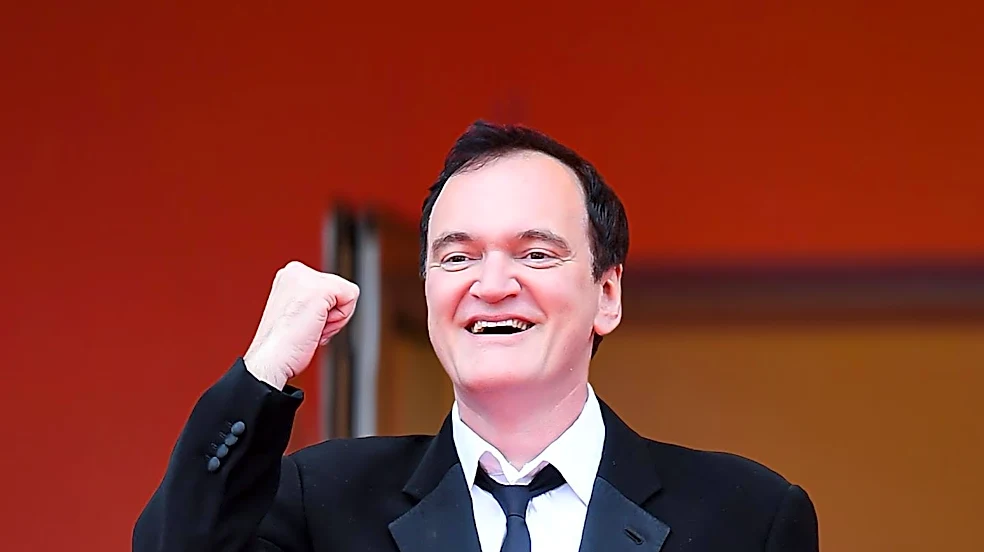
Renowned director Quentin Tarantino has recounted his experience of leaving a screening of Wes Craven's 1972 film, 'The Last House on the Left,' less than an hour into the movie. Tarantino, who was nine years old at the time, found the film's content
too disturbing to continue watching. He specifically mentioned being unable to endure the scenes following the killing of two hitchhiker girls. The film, a rape and revenge thriller, was highly controversial upon its release and even received a 'Video Nasty' designation in the United Kingdom, leading to a 20-year ban. Despite his later career being defined by a deep appreciation for brutal and exploitative cinema, Tarantino admitted that this particular viewing as a child was the only time he felt compelled to abandon a movie due to its intensity.
Why It's Important?
This anecdote from Quentin Tarantino offers a unique insight into the formative experiences of a highly influential filmmaker and highlights the profound impact of media on young audiences. It underscores the subjective nature of cinematic brutality and how a film's reception can vary significantly based on the viewer's age and context. For the film industry, it serves as a historical marker of the boundaries of on-screen violence and the public's reaction to it in the early 1970s. Tarantino's personal struggle with the film, despite his later embrace of similar themes, illustrates the psychological weight that certain narratives can carry. This event also implicitly raises questions about parental guidance and age-appropriate content, themes that remain relevant in discussions about media consumption today.
What's Next?
While this is a retrospective account, it continues to fuel discussions among film enthusiasts and critics about the nature of violence in cinema and its psychological effects. For fans of Tarantino, it adds another layer to understanding his artistic influences and personal journey with film. The story may prompt renewed interest in 'The Last House on the Left' and other controversial films of its era, encouraging audiences to revisit them through a contemporary lens. It also reinforces the ongoing debate about film classification and the responsibility of filmmakers and distributors in presenting challenging content. The anecdote is likely to be cited in future analyses of Tarantino's work, connecting his early experiences with his later directorial choices and thematic explorations.
Beyond the Headlines
Tarantino's early encounter with 'The Last House on the Left' delves into deeper implications concerning the desensitization to violence in media over time. What was once considered unwatchable for a nine-year-old, and even controversial for adults, might be viewed differently by modern audiences accustomed to more graphic content. This evolution in societal tolerance for on-screen violence reflects broader cultural shifts and the continuous push of boundaries within the horror genre. The story also touches upon the ethical considerations of exposing children to mature themes, even inadvertently, and how such experiences can shape an individual's artistic sensibilities. It highlights the complex relationship between personal trauma, artistic expression, and the consumption of challenging art, suggesting that even those who create provocative works have their own thresholds and histories with such material.