






What's Happening?
A recent survey conducted by Rec Therapy Today asked over 130 recreational therapists and community members about their bucket list aspirations. The overwhelming response indicated that travel is the strongest theme, with a significant desire to explore
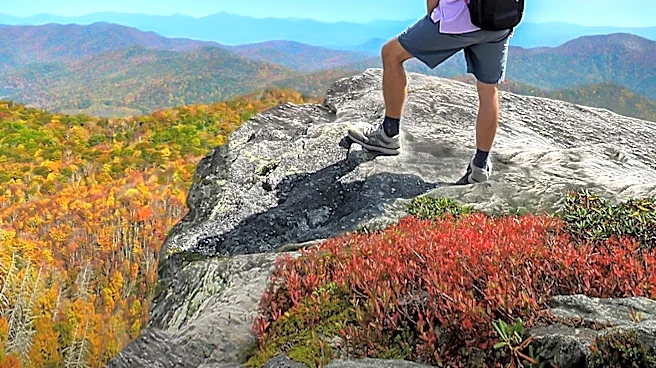
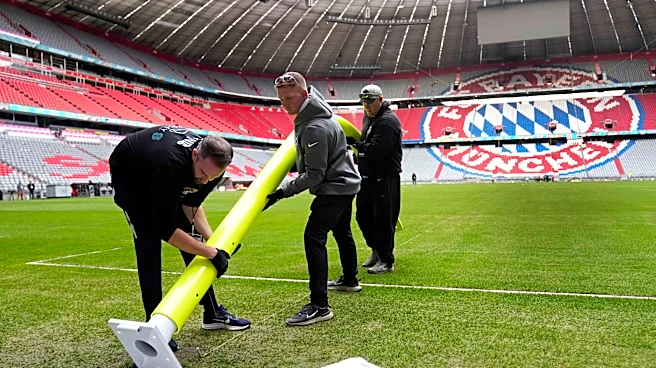
more of the world. European destinations such as Italy, Greece, Scotland, Ireland, and Spain were frequently mentioned, alongside more exotic locales like Australia, New Zealand, Iceland, the Maldives, Madagascar, Jamaica, Ecuador, and the Galápagos Islands. Beyond international travel, respondents also expressed interest in visiting U.S. national parks like Yellowstone and the Grand Canyon, and embarking on domestic road trips to explore various states and historical sites. Cruises and water-based activities, including Alaskan and Greek cruises, as well as scuba diving and whitewater rafting, also featured prominently. The survey highlighted that adventure means different things to different people, ranging from skydiving and bungee jumping to mastering new skills or attending major sports and entertainment events like the Olympics or Broadway shows. Some unique personal goals, such as becoming a pet therapy team handler or experiencing grandparenthood, also emerged, underscoring that a bucket list is ultimately about meaningful life experiences.
Why It's Important?
This survey provides valuable insights into the aspirations of a demographic focused on well-being and quality of life, suggesting a broader societal trend towards experiential consumption. For the U.S. tourism and hospitality industries, the strong emphasis on both international and domestic travel, including national parks and road trips, indicates significant market potential. Businesses catering to adventure tourism, such as skydiving operators and cruise lines, can anticipate continued demand. The desire for unique and meaningful experiences, rather than just destinations, could drive innovation in travel packages and recreational offerings. Furthermore, the inclusion of personal and skill-based goals highlights a market for adult education, hobby-related services, and community engagement programs. Understanding these diverse aspirations can help various sectors tailor their services to meet evolving consumer desires, potentially boosting economic activity in travel, leisure, and personal development industries across the U.S. and internationally.
What's Next?
The findings suggest a continued focus on experiential travel and personal growth. Travel agencies and tour operators may increasingly design customizable itineraries that cater to specific interests, from adrenaline-pumping activities to cultural immersion and nature exploration. The U.S. National Park Service and state tourism boards could leverage the interest in domestic travel by promoting diverse road trip routes and outdoor adventures. Businesses in the leisure and entertainment sectors, including theaters and sports venues, can expect sustained interest in unique, once-in-a-lifetime events. Additionally, the emphasis on personal development and meaningful experiences could lead to a rise in demand for workshops, classes, and volunteer opportunities that align with individual bucket list goals. As individuals prioritize experiences over material possessions, industries that facilitate these aspirations are likely to see growth and adaptation in their offerings.
Beyond the Headlines
The survey's results underscore a deeper cultural shift towards valuing experiences and personal fulfillment. The concept of a 'bucket list' transcends mere tourism, reflecting a fundamental human desire for purpose, adventure, and connection. For recreational therapists, this data reinforces the importance of leisure and meaningful activities in promoting overall well-being. It highlights how engaging in desired experiences can contribute to mental health, personal growth, and a sense of accomplishment. The diverse range of aspirations, from global travel to local adventures and personal milestones, suggests that individuals are seeking ways to enrich their lives and create lasting memories. This trend could influence urban planning, community development, and even corporate wellness programs, as organizations recognize the importance of supporting employees' pursuit of personal passions and life goals. The underlying message is that a well-lived life is often defined by the richness of one's experiences, rather than just material achievements.