


What's Happening?
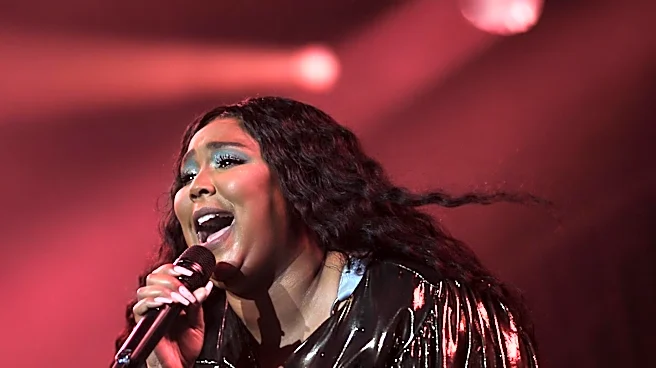
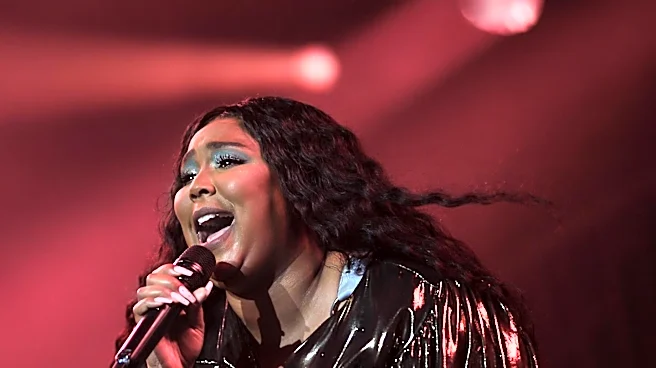
Grammy-winning artist Lizzo announced on Sunday, November 22, that she has unfollowed everyone on Instagram. Her decision stems from the harassment experienced by individuals whose accounts she followed. Lizzo shared this explanation in a post on X, responding
to a viral discussion about celebrities' social media habits. She clarified that her close contacts are aware of her affection for them outside of online platforms. This move follows previous instances where Lizzo has discussed the pressures of online attention, including losing approximately 150,000 followers in a single day in 2024 and the negative impact of reading critical posts about herself. The specific individuals targeted by harassment were not identified, nor was the exact timing of when she cleared her following list specified. Lizzo had largely avoided social media from August 2023 through January 2024, with some posts during that period being managed by her team.
Why It's Important?
Lizzo's decision highlights the significant challenges celebrities face in managing their online presence and the pervasive issue of online harassment. This incident underscores how the digital behavior of fans and critics can extend beyond the celebrity themselves, impacting their personal and professional connections. The phenomenon of 'cancel culture' and intense public scrutiny often leads to aggressive online behavior, creating a toxic environment that forces public figures to take drastic measures to protect those around them. This situation reflects a broader societal concern regarding digital etiquette and the boundaries of online interaction, particularly when it infringes upon the privacy and well-being of individuals associated with public figures. It also brings to light the mental health toll that constant online negativity can inflict on artists, prompting them to disengage from platforms that are often crucial for fan engagement and career promotion.
What's Next?
This action by Lizzo may prompt further discussions within the entertainment industry and among social media platforms regarding measures to combat online harassment and protect users. Other celebrities might consider similar strategies to shield their contacts from negative online interactions. Social media companies could face increased pressure to implement more robust tools and policies to prevent and address targeted harassment campaigns. For Lizzo, this step could lead to a more curated and potentially healthier relationship with her online presence, allowing her to engage with fans on her own terms without inadvertently exposing others to negativity. It might also influence how she chooses to interact with her audience in the future, potentially shifting towards more controlled or private forms of communication.
Beyond the Headlines
Lizzo's experience delves into the complex ethical and psychological dimensions of celebrity in the digital age. The expectation for public figures to maintain an accessible online persona often clashes with the reality of online toxicity. This incident raises questions about the responsibility of social media platforms to foster safer online communities and the psychological impact of constant public scrutiny on individuals. It also touches upon the 'parasocial relationships' formed between fans and celebrities, where the lines between public and private life become blurred, leading to unwarranted intrusion and harassment. The broader implication is a re-evaluation of how society interacts with public figures online, emphasizing the need for greater empathy and respect in digital spaces to prevent the weaponization of online platforms against individuals and their associates.