





What's Happening?
Marley Spoon, a meal kit service inspired by Martha Stewart's culinary expertise, is gaining traction among home cooks seeking gourmet yet approachable recipes. The service offers a variety of meal kits and prepared meals, catering to different dietary
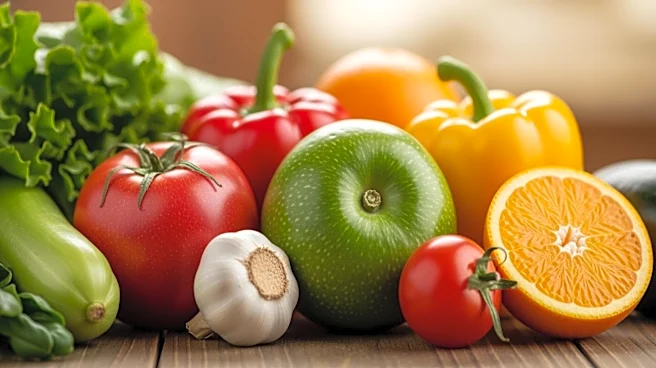
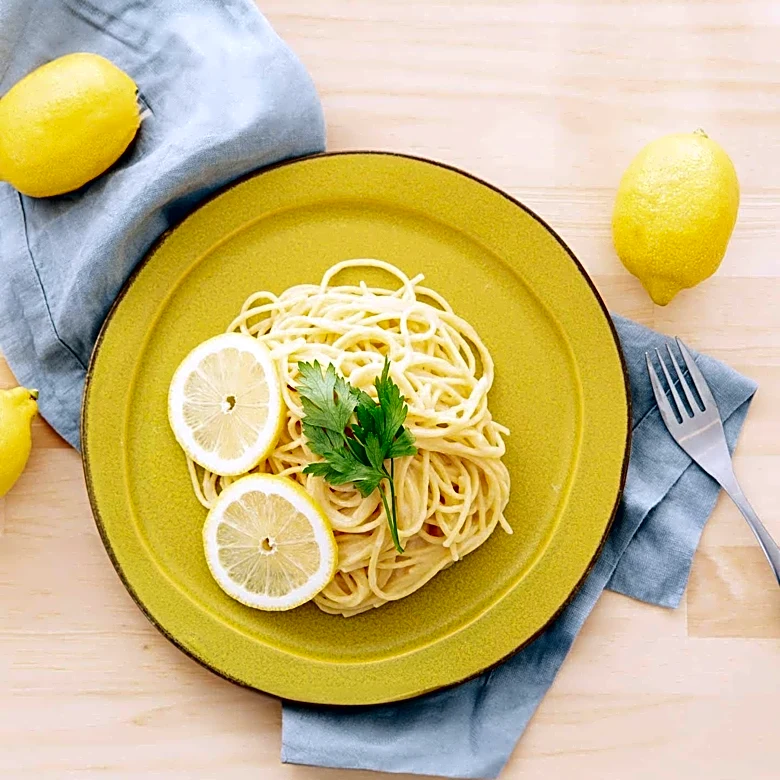
preferences such as low calorie, low carb, vegetarian, and pescatarian options. Customers can choose between two to six meals per week, with the flexibility to skip weeks or let the service select meals for them. Marley Spoon emphasizes fresh ingredients and minimal plastic waste, aligning with eco-friendly practices. The service is noted for its adventurous recipes, drawing from Martha Stewart's cookbooks, and aims to provide a genuine sense of occasion with each meal.
Why It's Important?
The rise of Marley Spoon highlights a growing trend in the meal kit industry towards more sophisticated and diverse culinary experiences at home. As consumers become more health-conscious and environmentally aware, services like Marley Spoon that offer fresh ingredients and sustainable packaging are increasingly appealing. This shift could influence other meal kit providers to enhance their offerings and adopt more eco-friendly practices. Additionally, the focus on gourmet cooking at home reflects a broader cultural trend of valuing culinary skills and the dining experience, potentially impacting the food industry and home cooking habits.
What's Next?
As Marley Spoon continues to expand its menu and refine its service, it may attract a broader customer base, including families and individuals seeking to improve their cooking skills. The service's success could prompt competitors to innovate and diversify their own offerings to keep pace. Additionally, Marley Spoon's commitment to sustainability may encourage further industry-wide efforts to reduce environmental impact. The company might also explore partnerships or collaborations to enhance its market presence and appeal to a wider audience.
Beyond the Headlines
Marley Spoon's approach to meal kits underscores a cultural shift towards valuing quality and creativity in home cooking. This trend may lead to a greater appreciation for culinary arts and a resurgence in home-cooked meals as a form of entertainment and self-expression. The emphasis on fresh, high-quality ingredients could also drive demand for local and organic produce, influencing agricultural practices and supply chains. Furthermore, the service's success may inspire other industries to prioritize sustainability and customer experience in their business models.