







What's Happening?
UEFA has reactivated its investigation into FC Barcelona concerning payments made to José María Enríquez Negreira, the former vice-president of the Technical Committee of Referees of the Royal Spanish Football Federation. This development follows a formal
complaint and a substantial submission of documents from Real Madrid. The investigation focuses on payments totaling over $9 million made by Barcelona to Negreira between 2001 and 2018. UEFA's Ethics and Disciplinary Inspectors have received these documents and will assess them as part of their ongoing review. The European football governing body aims to clarify the purpose of these payments, what Barcelona sought to achieve, and the extent of any potential influence on refereeing decisions. UEFA President Aleksander Čeferin previously described the situation as 'extremely serious,' noting that while the matter might be time-barred under LaLiga regulations, it is not for UEFA.
Why It's Important?
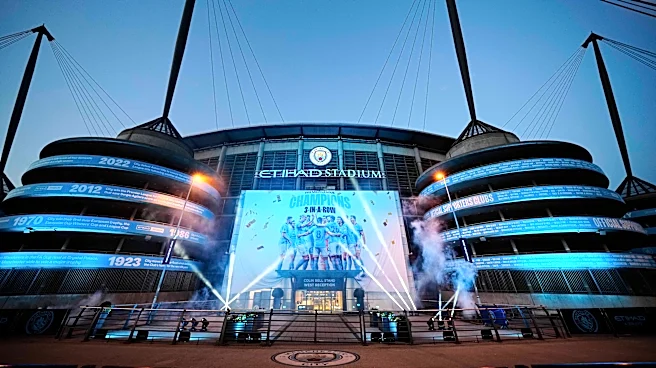
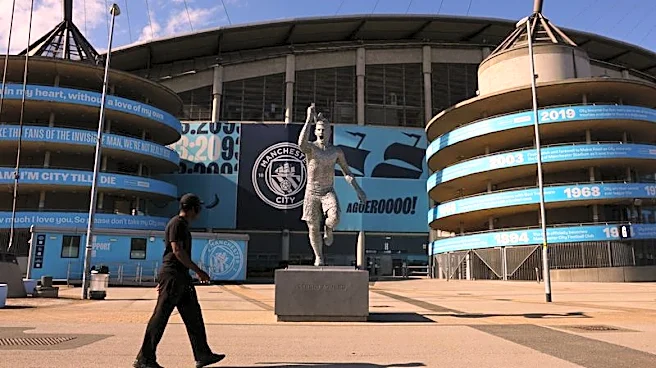
This renewed investigation carries significant implications for the integrity of European football and FC Barcelona's standing. If UEFA determines that Barcelona's payments to Negreira distorted the natural order of competition, the club could face severe sanctions, including a ban from UEFA competitions, as outlined in Article 4 of UEFA’s regulations. Real Madrid has explicitly requested that Barcelona be stripped of titles won during the period of these payments, which would have a profound impact on the club's historical achievements and financial stability. The case draws parallels with the Premier League's sanction against Manchester City, which faced a two-year ban from European competitions (later overturned by the Court of Arbitration for Sport). The outcome of this investigation could set a precedent for how European football addresses allegations of undue influence and financial impropriety, potentially leading to stricter oversight and enforcement across all member associations.
What's Next?
With the disciplinary file officially open, the next steps involve a detailed examination of the evidence submitted by Real Madrid, gathering direct information from all involved parties, including their statements, and receiving submissions from FC Barcelona. UEFA's ethics and disciplinary inspectors will analyze these materials to determine if any action should be taken. Barcelona has consistently maintained that the payments were for scouting and technical reports on referees and players, and no wrongdoing has been proven in the Spanish investigation so far. However, UEFA's independent process means that the Spanish legal outcomes do not dictate UEFA's decision. The European body will decide whether to impose sanctions, which could range from fines to bans from competitions or even the stripping of titles, depending on the findings of the investigation.
Beyond the Headlines
The 'Negreira case' extends beyond a simple financial transaction, touching upon the ethical foundations of competitive sports. The core issue is whether payments to a high-ranking referee official, regardless of their stated purpose, inherently create a perception of conflict of interest or actual undue influence. This investigation could force a re-evaluation of transparency and governance standards within football, particularly concerning relationships between clubs and refereeing bodies. The involvement of Real Madrid, a direct rival, adds a layer of competitive tension to the legal proceedings, highlighting the high stakes involved. The long-term implications could include a push for more stringent regulations to prevent similar situations, potentially leading to a significant shift in how football clubs interact with officials and how governing bodies enforce ethical conduct to maintain public trust in the sport's fairness.