


What's Happening?
The retail industry is undergoing a significant transformation as brands and retailers shift from traditional transactional models to experiential marketing strategies. This change is driven by the need to engage consumers in more meaningful ways amidst
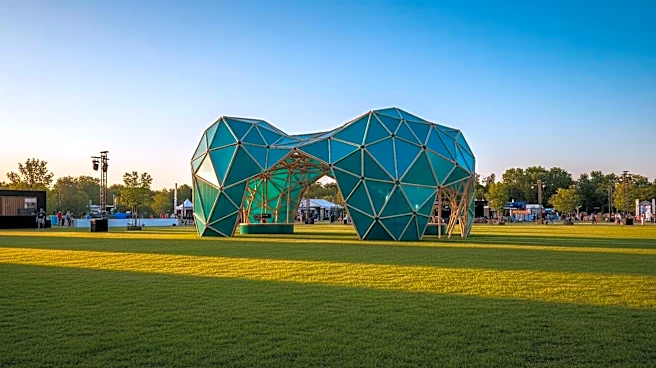
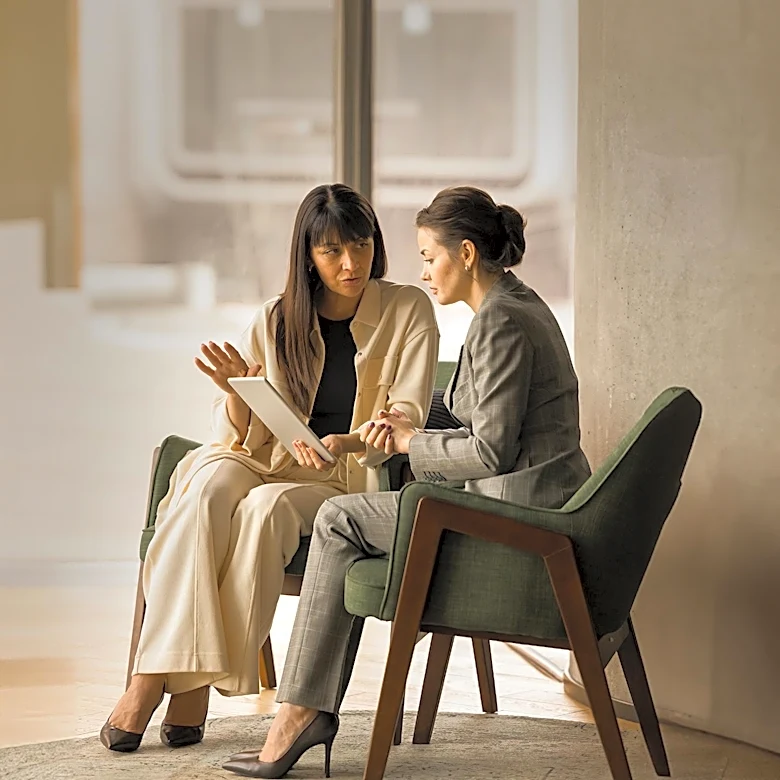
the crowded digital advertising landscape. Retailers are now using their physical locations as spaces for interaction and media, rather than just sales. Experiential marketing involves live, in-person engagements such as product samples and conversations with brand representatives, which encourage consumer interaction and provide direct feedback. Old City Media, an experiential marketing agency, exemplifies this trend by creating activations that turn retail visits into two-way conversations between brands and consumers. This approach helps brands break through digital clutter and connect their digital marketing efforts with in-store interactions.
Why It's Important?
The shift towards experiential marketing is crucial for the retail industry as it seeks to maintain consumer loyalty and engagement in an era where digital advertising is increasingly saturated. By transforming stores into interactive spaces, retailers can create genuine human interactions that are difficult to ignore, unlike digital ads that can be easily skipped or scrolled past. This strategy not only enhances the customer experience but also opens up new revenue opportunities for retailers through retail media networks. These networks allow retailers to monetize their physical and digital spaces by providing brands with direct access to shoppers. As a result, retailers can improve customer experiences while generating additional revenue, making experiential marketing a valuable tool for achieving multiple business objectives.
What's Next?
As experiential marketing continues to gain traction, it is likely to become a more integral part of retail strategies. Retailers are expected to further explore how their stores can function as platforms for commerce, communication, and direct engagement. The maturation of retail media networks will also play a role in this evolution, as brands compete for attention in physical spaces. Retailers may increasingly adapt their environments to accommodate new forms of brand participation, leveraging experiential campaigns to achieve various objectives. This trend suggests a future where physical stores are seen as flexible platforms that combine product discovery, brand communication, and media opportunities.