






What's Happening?
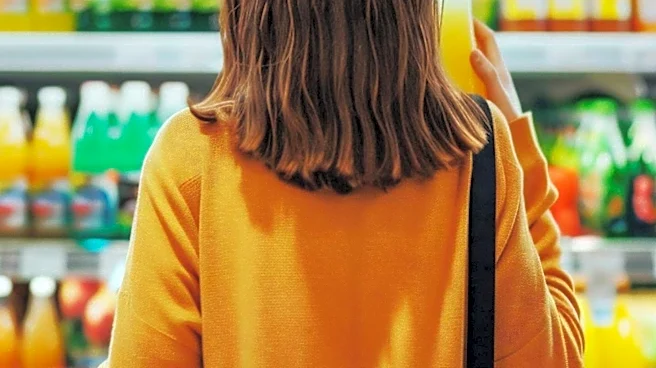
The grocery store beverage aisle is experiencing a significant expansion in variety, featuring numerous seltzers, sodas, and energy drinks with novel flavors and branding. This trend is driven by advancements in flavor science and increased accessibility
for start-up beverage companies. Jeff Guo of Planet Money investigated this phenomenon, visiting Flavorman, a Louisville, Kentucky-based laboratory where chief flavorist Tom Gibson and chief technical officer Kristen Wemer develop new beverage concepts. Gibson noted that many aroma chemicals used today did not exist a decade or two ago, allowing for complex flavor combinations, including unexpected notes in fruit flavors. Wemer showcased innovative beverage types, such as a pineapple-flavored beef broth hydration drink. David Dafoe, founder of Flavorman, explained that the industry, once dominated by large corporations like Coke and Pepsi, has seen lowered barriers to entry since the 2010s. The rise of microbreweries, which often rent out their bottling and canning lines for smaller jobs, has made manufacturing more accessible for new brands, leading to a surge in diverse beverage offerings.
Why It's Important?
This diversification in the beverage market signifies a shift in consumer spending habits and industry dynamics. Americans are now spending more on beverages than ever before, indicating a strong market response to the increased variety and innovation. For consumers, this means a wider array of choices, including functional beverages like protein seltzers, carbonated teas, and gut-health sodas, catering to evolving tastes and health trends. For the beverage industry, the lowered barrier to entry fosters greater competition and innovation, challenging established brands to adapt. Small start-ups can now enter the market more easily, leading to a more dynamic and fragmented landscape. This trend also highlights the growing importance of flavor science and product development in meeting consumer demand for novel and unique experiences, pushing the boundaries of what constitutes a 'beverage.' The increased availability of contract manufacturing, particularly from microbreweries, has democratized beverage production, allowing for niche products to reach the market.
What's Next?
The trend of beverage diversification is likely to continue, with ongoing innovation in flavor profiles and functional ingredients. Consumers can expect to see even more experimental and specialized drinks entering the market, driven by scientific advancements in flavor chemistry and evolving dietary preferences. The success of current niche beverages may encourage further investment in research and development for new ingredients and formulations. As more start-ups enter the market, competition will intensify, potentially leading to more aggressive marketing strategies and a focus on unique selling propositions. Established beverage giants may respond by acquiring successful smaller brands or by launching their own innovative product lines to maintain market share. The contract manufacturing sector, particularly facilities that originated as microbreweries, will likely see continued demand, further solidifying its role in enabling market entry for new beverage companies. This could also lead to increased specialization within contract manufacturing to cater to specific beverage types or production scales.
Beyond the Headlines
Beyond the immediate market impact, the proliferation of novel beverages reflects broader cultural shifts towards personalization and experiential consumption. Consumers are increasingly seeking products that offer unique sensory experiences or align with specific lifestyle choices, such as health and wellness. This trend also raises questions about consumer education regarding the ingredients and purported benefits of these new drinks, especially those with unconventional combinations like beef broth in a sports drink. The rapid pace of innovation could also lead to a shorter product lifecycle for many beverages, as consumers constantly seek the 'next big thing.' Furthermore, the increased competition and lower entry barriers might foster a more sustainable ecosystem for small businesses in the food and beverage sector, promoting local economies and diverse entrepreneurship. The reliance on scientific advancements in flavor creation also underscores the growing intersection of food science, technology, and consumer goods, pushing the boundaries of what is considered palatable and marketable.