
What's Happening?
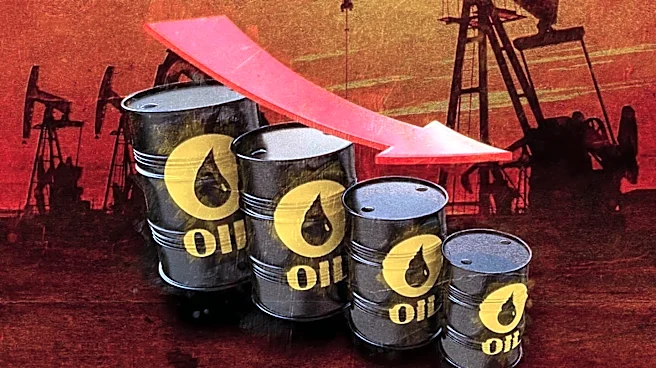
Pakistan's oil and gas reserves saw a notable increase as of June, with oil reserves rising 15% year-on-year to 276 million barrels and gas reserves increasing 9% to 20,664 billion cubic feet. This growth
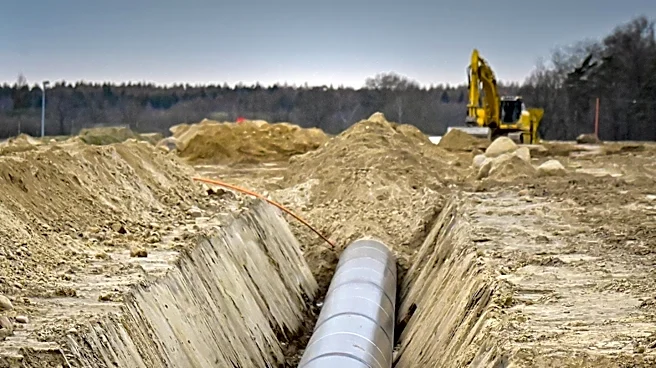
was partly attributed to newly discovered fields, which added 53.5 million barrels of oil and 773 billion cubic feet of gas. Concurrently, Pakistan's total liquid foreign exchange reserves slightly rose by 0.07% week-on-week to $26.8 billion as of September 18, with reserves held by the State Bank of Pakistan reaching $21.4 billion. A significant development in the energy sector is the signing of upgrade agreements by four of the country’s five oil refineries—Attock Refinery Ltd (ATRL), Pakistan Refinery Ltd (PRL), National Refinery Ltd (NRL), and Cnergyico PK. These agreements, made under the Pakistan Oil Refining Policy for Upgradation of Existing/Brownfield Refineries, involve an estimated $5 billion investment over the next five years. The investment aims to modernize refining capacity, boost the production of cleaner Euro-V fuels, and reduce furnace-oil output.
Why It's Important?
The increase in Pakistan's oil and gas reserves, coupled with substantial investments in refinery upgrades, signals a strategic move towards energy self-sufficiency and modernization within the country. For the U.S. and global energy markets, this development could contribute to a more stable international energy supply chain by potentially reducing Pakistan's reliance on imported refined products in the long term. The $5 billion investment in refinery upgrades is particularly significant as it targets the production of cleaner Euro-V fuels, aligning with global environmental standards and potentially opening avenues for technological collaboration with U.S. companies specializing in advanced refining processes. Furthermore, a more robust and modern Pakistani energy sector could enhance regional stability, which is of interest to U.S. foreign policy. The reduction in furnace-oil output also reflects a shift towards more efficient and environmentally friendly energy production, which could influence similar transitions in other developing nations.
What's Next?
The $5 billion investment in refinery upgrades is expected to be implemented over the next five years, focusing on modernizing refining capacity and increasing the production of cleaner Euro-V fuels. This will likely lead to a phased reduction in Pakistan's reliance on imported refined petroleum products. The International Monetary Fund (IMF) staff mission is currently in Pakistan for talks regarding the release of tranches under two ongoing programs, and the success of these discussions could further stabilize Pakistan's economy and support these energy sector investments. The volatility in the Pakistan Stock Exchange (PSX), influenced by geopolitical tensions and oil prices, suggests that the market will closely monitor the progress of these refinery upgrades and the broader economic stability. Continued efforts to explore and develop new oil and gas fields are also anticipated, aiming to further boost domestic reserves and reduce import dependency.
Beyond the Headlines
The modernization of Pakistan's oil refineries and the push for cleaner Euro-V fuels have broader implications beyond immediate economic benefits. This initiative could foster a more environmentally conscious energy sector in Pakistan, potentially influencing regional energy policies and encouraging other nations to adopt similar standards. The substantial investment also highlights a commitment to long-term infrastructure development, which can create numerous job opportunities and stimulate economic growth in related industries. Ethically, the shift towards cleaner fuels addresses public health concerns associated with air pollution, improving the quality of life for citizens. From a geopolitical perspective, a more energy-independent Pakistan could alter regional power dynamics, potentially reducing vulnerabilities to global oil price fluctuations and supply disruptions. This strategic focus on domestic energy production and refining capacity could serve as a model for other developing countries facing similar energy security challenges.