





What's Happening?
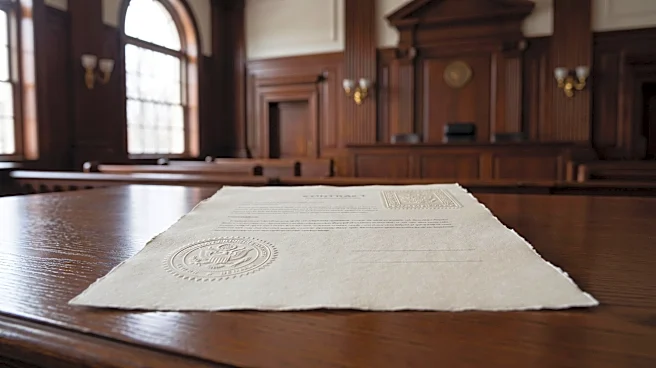
The South Korean girl group NewJeans is embroiled in a contract dispute with their record label, ADOR. According to a report by the New York Times, the members of NewJeans signed restrictive contracts that allegedly waived their rights to sleep, rest,
and independent decision-making. These contracts reportedly lacked standard child protection clauses and did not align with Korean government contract templates, which include provisions against minors being excessively exposed. The company, ADOR, is said to deny these allegations. The five members of NewJeans were between 14 and 17 years old when they signed with ADOR in 2022. Two years later, one member filed a lawsuit against the contract, and all five unilaterally terminated their agreements. However, a South Korean court has ruled that the exclusive contract with ADOR remains valid until 2029.
Why It's Important?
This case highlights significant concerns within the K-Pop industry regarding artist contracts, particularly those involving minors. The allegations of restrictive clauses and the absence of child protection measures raise questions about the welfare and rights of young artists in a highly competitive and demanding industry. The court's decision to uphold the contract until 2029 could set a precedent for future disputes, potentially influencing how record labels structure agreements with young talent and how artists can seek recourse. This situation also brings to light the power dynamics between entertainment companies and their artists, especially when the artists are minors, and underscores the need for transparent and equitable contractual practices to protect vulnerable individuals in the entertainment sector.
What's Next?
The court's ruling means that NewJeans remains under contract with ADOR until 2029, despite their attempts to terminate the agreement. It is unclear whether the group or individual members will pursue further legal action or appeal the court's decision. The ongoing dispute could impact the group's activities and public image. This situation may also prompt increased scrutiny from regulatory bodies and public advocacy groups regarding artist contracts in the K-Pop industry, potentially leading to calls for stricter regulations or reforms to protect young performers. The outcome of this case could influence future contract negotiations and legal challenges within the South Korean entertainment landscape.
Beyond the Headlines
The NewJeans contract dispute extends beyond a typical business disagreement, touching upon ethical considerations regarding child labor and exploitation in the entertainment industry. The alleged waiver of rights to sleep and rest, coupled with the reported absence of child protection clauses, points to a systemic issue where the pursuit of fame and profit might overshadow the well-being of young artists. This case could ignite broader discussions about the responsibilities of entertainment companies towards their minor employees and the need for robust legal frameworks to safeguard their physical and psychological health. It also raises cultural questions about the pressures placed on young individuals in pursuit of success in highly competitive fields like K-Pop, and the balance between artistic ambition and fundamental human rights.