






What's Happening?
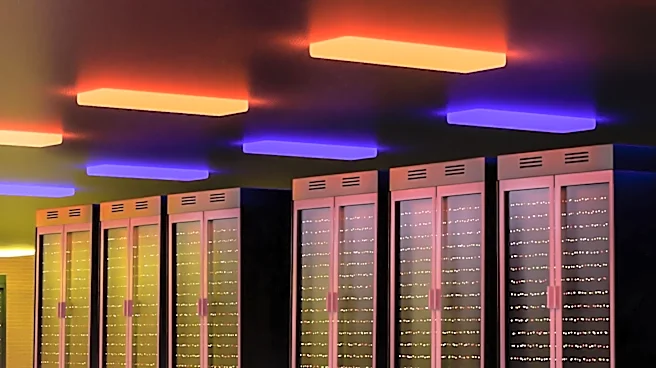
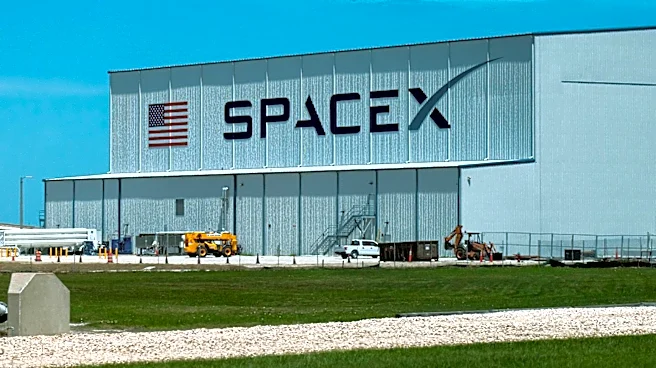
SpaceX has significantly expanded its artificial intelligence (AI) cloud services, leveraging its Colossus and Colossus II data centers to rent out compute capacity. In the second quarter of 2026, the company began offering these services to external
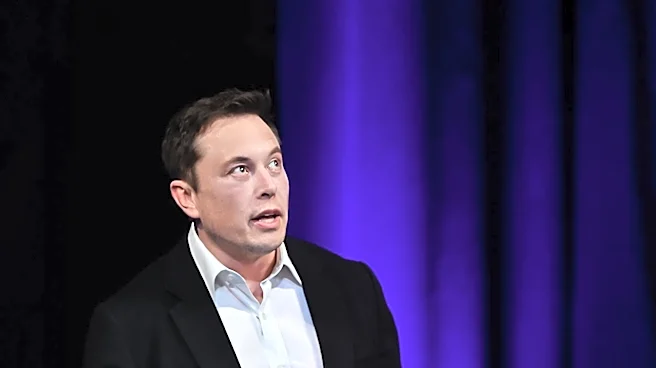
customers. By the third quarter, its SI solutions and infrastructure revenue surged to $7 billion, marking a 192% sequential growth, primarily driven by new cloud services agreements. CFO Bret Johnsen noted that new compute deployments are generating a payback in less than a year due to current pricing. President Gwynne Shotwell highlighted the industry's increasing demand for massive amounts of compute power. Elon Musk stated that SpaceX could rent out its compute capacity multiple times over if it accepted all requests, and he anticipates expanding capacity from 1.7 gigawatts to at least 13 gigawatts by the end of next year. Major clients include Anthropic, which signed an agreement in May to use approximately 325,000 Nvidia GPUs for $1.25 billion per month through May 2029, and Alphabet's Google, which secured about 110,000 GPUs for $920 million a month from October 2026 through June 2029.
Why It's Important?
This strategic pivot into AI cloud services represents a significant diversification for SpaceX, traditionally known for its space exploration and satellite internet ventures. The rapid revenue growth and quick return on investment in compute deployments underscore the immense demand for AI infrastructure. This move positions SpaceX as a major player in the burgeoning AI cloud market, potentially valued at $80 billion on its own, according to some analyses. The substantial contracts with companies like Anthropic and Google demonstrate the critical need for high-performance computing resources to train and deploy advanced AI models. This development could reshape the competitive landscape of cloud computing, offering an alternative to established providers and potentially driving innovation in AI development by making powerful computing more accessible to large enterprises. The financial success of this venture could also provide substantial capital for SpaceX's other ambitious projects, such as Starship and Starlink.
What's Next?
SpaceX plans to aggressively expand its compute capacity, with Elon Musk projecting an increase from 1.7 gigawatts to at least 13 gigawatts by the end of next year. This expansion indicates a strong commitment to growing its AI cloud services and meeting the escalating industry demand. The company will likely continue to secure more cloud services agreements with other AI developers and large corporations seeking robust computing infrastructure. The success of this business segment could lead to further investments in advanced hardware and data center technologies. As more companies enter the AI cloud market, competition is expected to intensify, potentially leading to innovations in pricing models, service offerings, and technological capabilities. The long-term contracts with major clients like Anthropic and Google provide a stable revenue stream, which could influence SpaceX's overall financial strategy and investment priorities in the coming years.
Beyond the Headlines
SpaceX's foray into AI cloud services highlights a broader trend of technology companies diversifying their revenue streams by leveraging their existing infrastructure and expertise. This move also underscores the critical role of high-performance computing in the advancement of artificial intelligence. The ability to provide massive amounts of compute power is becoming a strategic asset, influencing the pace and direction of AI development globally. Ethically, the concentration of such powerful computing resources raises questions about access, control, and the potential for monopolization in the AI industry. Legally, the complex agreements for GPU usage and data center capacity will likely set new precedents in technology contracts. Culturally, the shift of a space exploration company into a leading AI infrastructure provider demonstrates the interconnectedness of various high-tech sectors and the fluid nature of innovation in the 21st century, where the lines between different technological domains are increasingly blurring.