







What's Happening?
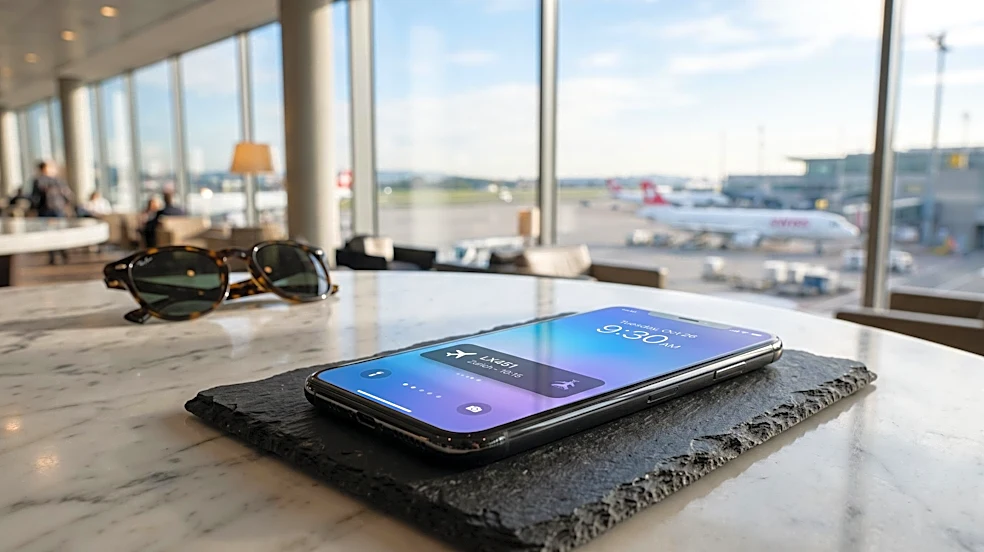
Zach Griff, a travel expert and author of the newsletter 'From the Tray Table,' who travels approximately 150,000 miles annually, advises always carrying a spare phone. Griff has carried a retired cellphone with him for the past 11 years, despite rarely
needing it. He emphasizes that a phone is crucial for staying connected, especially during travel, and having a backup can prevent significant inconvenience if the primary device is lost or damaged. His realization came during a safari in the Serengeti in 2015 when his wife's phone broke, preventing her from taking photos. Although he has only used his backup phone once in over a decade—when his primary phone screen cracked in Paris—he considers it an essential item for peace of mind.
Why It's Important?
This advice is particularly relevant for U.S. travelers, both domestically and internationally, given the increasing reliance on smartphones for navigation, communication, payments, and accessing travel information. A broken or lost phone can disrupt travel plans, cause stress, and lead to significant logistical challenges, especially in unfamiliar environments. For business travelers, a spare phone ensures continuity of communication and access to critical work-related tools. For leisure travelers, it safeguards the ability to capture memories, stay in touch with family, and access emergency services. The minimal space an old phone occupies in a carry-on makes it a practical and low-cost insurance policy against potential travel disruptions, highlighting a growing need for digital preparedness in modern travel.
What's Next?
The recommendation to carry a spare phone could become a more widely adopted travel tip, especially as travel becomes increasingly digitized. Travel agencies, airlines, and travel insurance providers might start incorporating this advice into their recommendations for travelers. We may also see an increase in demand for durable, affordable secondary phones or services that facilitate easy data transfer between devices. As technology continues to evolve, the functionality of older smartphones might be leveraged in new ways for travel, such as dedicated offline maps or emergency communication devices. This trend underscores the evolving nature of travel preparedness in an era where digital connectivity is paramount.
Beyond the Headlines
Beyond the practical utility, the act of carrying a spare phone reflects a deeper psychological need for security and control in an unpredictable world. It speaks to the anxiety associated with being disconnected and the perceived vulnerability that comes with losing access to digital tools. This practice also highlights the rapid obsolescence of technology, as perfectly functional older phones are repurposed as backups rather than being discarded. It subtly encourages a more mindful approach to technology use, where devices are seen as essential tools rather than just disposable gadgets. Furthermore, it points to the increasing integration of personal technology into every aspect of life, making digital preparedness an integral part of personal safety and well-being, particularly during travel.