







What's Happening?
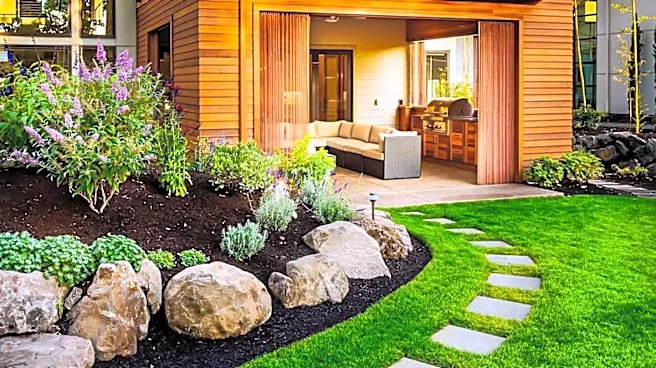
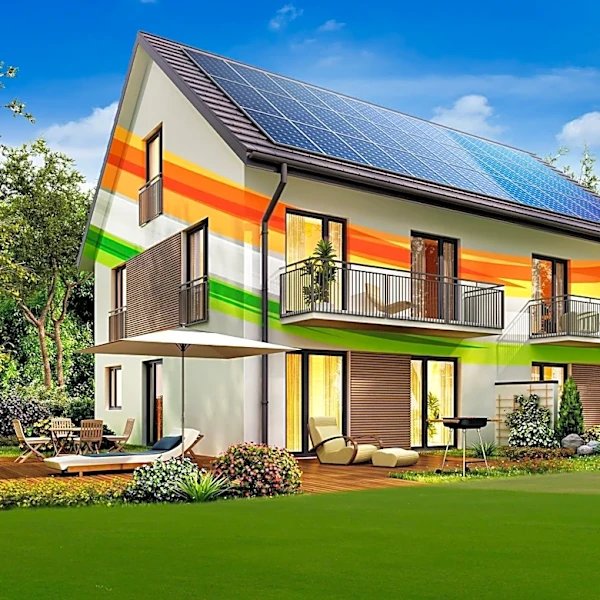
The concept of the smart home is expanding beyond indoor spaces to encompass outdoor living areas, driven by a desire for increased leisure time and reduced maintenance. Homeowners are increasingly valuing convenience and automation in their gardens and yards.
Technologies such as robotic lawn mowers, automated irrigation systems, and smart lighting are becoming integral to modern outdoor design. Robotic mowers, for instance, can be scheduled for regular, shorter mowing sessions, maintaining grass at a desired height with minimal human intervention and often incorporating mulching features. While these technologies automate repetitive tasks like grass cutting, other garden maintenance activities such as weeding, pruning, and leaf removal still require human attention. The trend reflects a broader shift towards luxury being defined by the ability to save time and enjoy outdoor spaces more fully.
Why It's Important?
This expansion of smart home technology into outdoor living signifies a growing market for automated solutions in the U.S. residential sector. For consumers, it offers the benefit of reclaiming valuable leisure time that would otherwise be spent on tedious yard work, enhancing their quality of life. For businesses in the home automation, landscaping, and technology sectors, it presents new opportunities for product development, sales, and service provision. The demand for integrated outdoor smart systems could drive innovation in areas like battery technology, AI-powered navigation for robots, and weather-responsive automation. This trend also highlights a changing perception of luxury, moving from purely material possessions to experiences and time-saving conveniences. As these technologies become more accessible, they could influence property values and homeowner expectations for modern residences.
What's Next?
The market for smart outdoor living technologies is expected to grow, with continued innovation in robotic lawn care, automated watering systems, and integrated outdoor lighting. Manufacturers will likely focus on developing more sophisticated and interconnected devices that can communicate with each other and be controlled through centralized smart home platforms. This could include AI-driven systems that learn user preferences and adapt to environmental conditions. The integration of these technologies into new home construction and landscaping projects will likely become more common. Additionally, there may be an increase in specialized services for installation, maintenance, and troubleshooting of these advanced outdoor systems. Consumers can anticipate a wider range of options for automating their outdoor spaces, further reducing manual labor and enhancing convenience.
Beyond the Headlines
The increasing automation of outdoor spaces raises deeper questions about human interaction with nature and the environment. While robotic mowers and automated systems offer convenience, they could also lead to a detachment from the physical act of gardening and yard maintenance, potentially reducing opportunities for outdoor activity and connection with the natural world. There are also environmental considerations, such as the energy consumption of these devices and the potential impact of mulching practices on soil health. Furthermore, the reliance on technology for outdoor care could create a new form of digital divide, where access to these time-saving luxuries is limited to those with sufficient financial resources. The long-term cultural implications of outsourcing basic outdoor tasks to machines will be an interesting area to observe as these technologies become more pervasive.