








What's Happening?
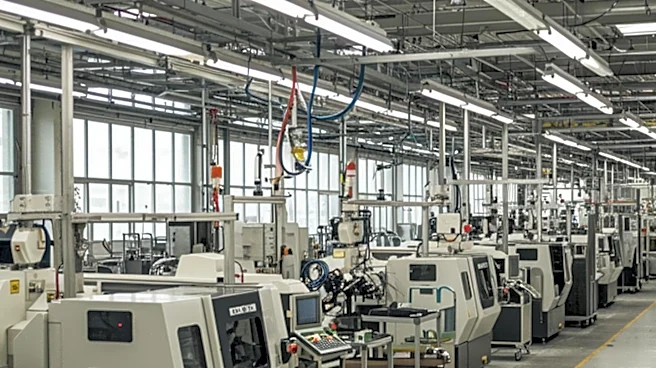
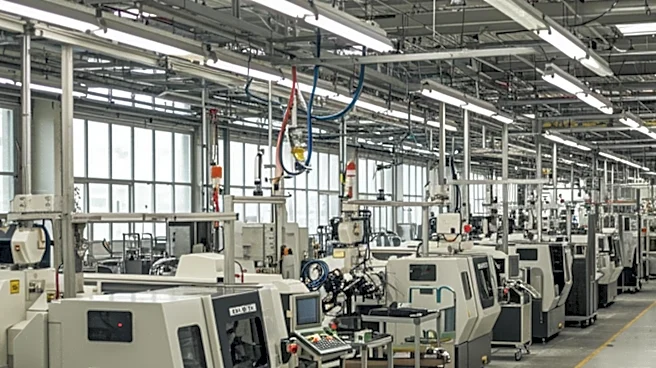
Interconnect Cable Technologies Corp. (ICTC), a U.S.-founded electronics manufacturer established in Florida in 1988, has inaugurated an expanded facility at Laguna Technopark Phase 7 in the Philippines. This expansion marks a significant growth in ICTC's
local operations, which have grown from a single engineer in 2015 to over 100 employees. The new facility, which began operations in June without production disruption, provides additional capacity and flexible manufacturing space for cable and wire harness assemblies, printed circuit board assemblies (PCBAs), and electronic box builds. ICTC Global CEO Sareet Majumdar stated that the expansion aims to bring advanced manufacturing opportunities closer to Filipino workers, with plans to invest in automation, digital production tools, and product traceability, while pursuing opportunities in medical devices, consumer electronics, and industrial applications.
Why It's Important?
This expansion by a U.S.-founded company into the Philippines underscores a broader trend of global supply chain diversification and the strategic importance of Southeast Asia in electronics manufacturing. For the U.S., this move can contribute to a more resilient supply chain for electronic components, reducing over-reliance on any single region and potentially mitigating risks associated with geopolitical tensions or natural disasters. It also highlights the competitive advantage of countries like the Philippines in attracting foreign investment due to a skilled workforce and established manufacturing infrastructure. U.S. businesses benefit from expanded production capabilities and potentially lower manufacturing costs, which can enhance their global competitiveness. This investment also signifies a commitment to international partnerships and the development of advanced manufacturing capabilities in allied nations, which can have long-term economic and strategic benefits for the U.S.
What's Next?
ICTC plans to further invest in automation, digital production tools, and product traceability at its new Laguna facility. The company is also actively pursuing opportunities in high-growth sectors such as medical devices, high-end consumer electronics, and commercial and industrial applications. This strategic direction indicates a move towards more complex and higher-value manufacturing work in the Philippines. The expansion is expected to create more job opportunities and foster local talent development in advanced manufacturing. The success of this expanded operation could encourage other U.S. and international electronics manufacturers to consider similar investments in the Philippines, further solidifying the country's role in the global electronics supply chain and potentially influencing future trade and investment policies between the U.S. and Southeast Asian nations.
Beyond the Headlines
The growth of ICTC's operations in the Philippines reflects a strategic shift in global manufacturing, moving beyond simple assembly to more advanced and specialized production. This trend has implications for the U.S. workforce, as it highlights the need for continuous upskilling and adaptation to remain competitive in a globalized economy. The focus on automation and digital production tools also points to the increasing integration of Industry 4.0 technologies in manufacturing, which can enhance efficiency and quality but also raise questions about the future of labor. Furthermore, the emphasis on localizing regional supply chains suggests a re-evaluation of global manufacturing strategies in the wake of recent disruptions, prioritizing resilience and regional integration. This could lead to a more distributed and robust global manufacturing network, with significant long-term impacts on international trade and economic development.