
What's Happening?
Canned pumpkin is being highlighted as a highly nutritious and versatile pantry staple, offering significant health benefits. According to a registered dietitian and director of the Good Housekeeping Institute
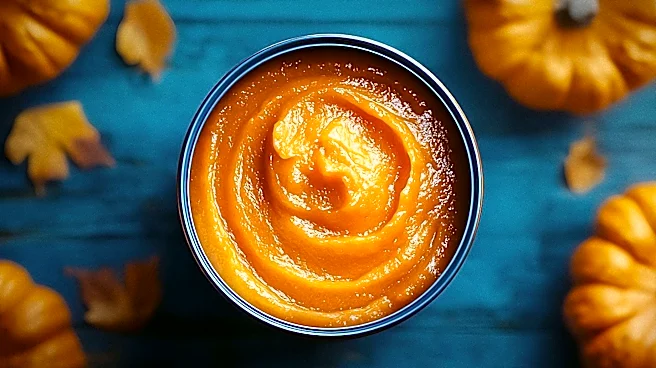
Nutrition Lab, canned pumpkin is an affordable, convenient, and low-calorie ingredient packed with nutrients. It is particularly rich in beta-carotene, which the body converts to vitamin A, essential for vision, immune function, and overall health, with just half a cup providing 100% of the daily value. Additionally, it is a good source of fiber for digestion and potassium for blood pressure and muscle function. Consumers are advised to choose 100% pure pumpkin puree over pumpkin pie filling, which contains added sugars and fillers. Canned pumpkin can be incorporated into various dishes, including smoothies, oatmeal, yogurt parfaits, energy bites, baked goods, and soups.
Why It's Important?
The recognition of canned pumpkin as a nutritional powerhouse is important for public health and consumer awareness. By emphasizing its affordability and accessibility, this information empowers individuals to make healthier dietary choices without significant financial burden. The detailed breakdown of its nutritional content, particularly its high vitamin A, fiber, and potassium levels, provides clear benefits for immune support, digestive health, and cardiovascular well-being. This insight can help combat misconceptions that healthy eating is always expensive or complicated. For the food industry, this highlights the potential for increased demand for pure canned pumpkin, encouraging manufacturers to ensure product quality and clear labeling to differentiate from less healthy alternatives like pumpkin pie filling.
What's Next?
Consumers are encouraged to stock up on 100% pure canned pumpkin and integrate it into their daily meals and snacks. The advice to check ingredient lists for 'pumpkin only' will likely lead to more informed purchasing decisions. Food bloggers, recipe developers, and health influencers may further promote creative uses of canned pumpkin, expanding its culinary applications beyond traditional fall dishes. This sustained interest could lead to a year-round demand for canned pumpkin, rather than it being a seasonal item. Manufacturers might also explore new product lines that incorporate pure pumpkin puree into convenient, healthy food options, responding to the growing consumer interest in nutrient-dense, affordable ingredients.
Beyond the Headlines
The spotlight on canned pumpkin as a 'humble pantry-staple' with significant health benefits reflects a broader trend towards appreciating simple, whole foods over highly processed or exotic ingredients. This narrative challenges the notion that optimal nutrition requires expensive or hard-to-find items, promoting a more practical and sustainable approach to healthy eating. The distinction between pure pumpkin puree and pumpkin pie filling also underscores the ongoing battle against hidden sugars and additives in everyday products, encouraging greater label literacy among consumers. This emphasis on natural, unprocessed ingredients could contribute to a larger movement advocating for clearer food labeling and a return to basic, nutrient-rich foods as cornerstones of a healthy diet.