



What's Happening?
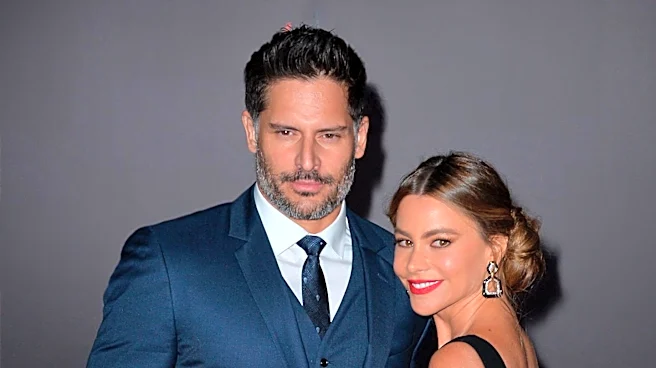
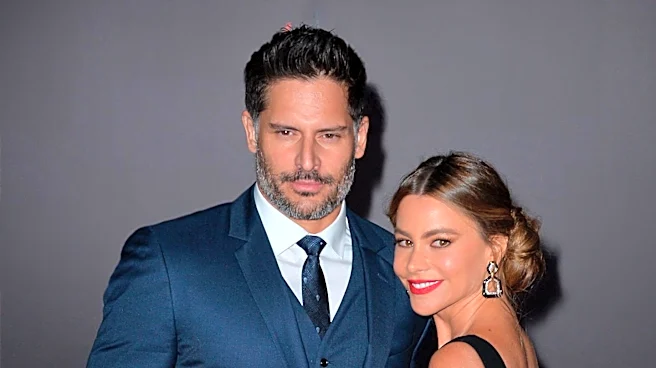
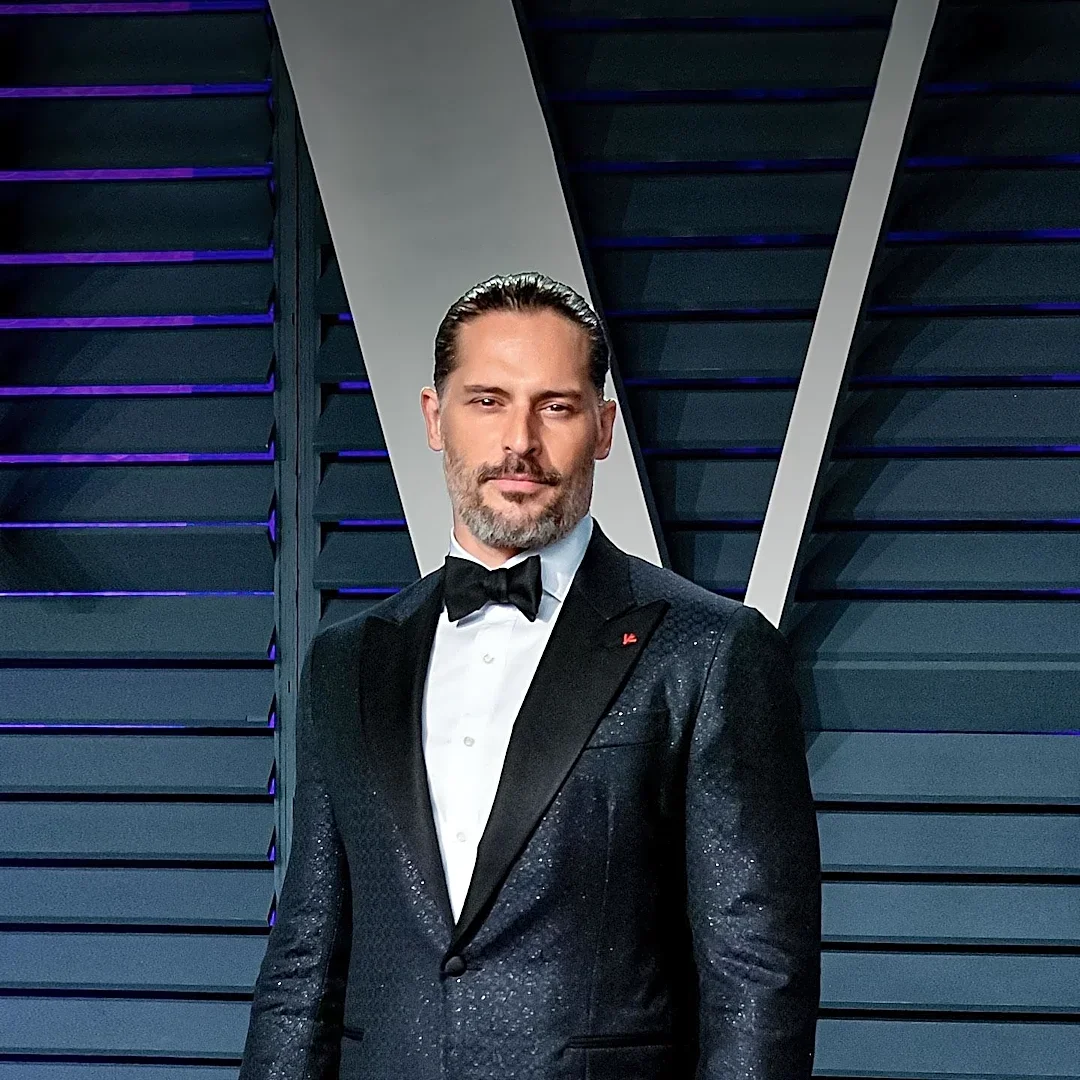
Actor Joe Manganiello has shared a rare glimpse into his seven-year battle with a mystery illness, posting a series of 'heartbreaking' hospital photos on Instagram. The images depict his significant weight loss, an ostomy bag, and severe skin conditions
he experienced. Manganiello, 49, revealed he lost 60 pounds in two weeks following the amputation of his large intestine. One photo shows a close-up of his abdomen after a reconnection surgery, where his ostomy bag was removed. Another image highlights the 'multitude of skin conditions' that plagued him, including red rashes on his face, which he described as his 'immune organ' being 'stricken with just about every condition known to man.' He first disclosed his illness in the synopsis of his new memoir, 'Bloodlines,' over the summer. Doctors were unable to explain the sickness, which affected his thyroid, digestive system, skin, lungs, and eyes. Manganiello stated he sought alternative remedies, including shamans and pagan rituals, to aid his condition.
Why It's Important?
This revelation by Joe Manganiello sheds light on the often-private struggles celebrities face with chronic and unexplained illnesses, challenging the public perception of their seemingly perfect lives. His decision to share such personal and vulnerable moments, including graphic hospital photos, can foster greater empathy and understanding for individuals battling similar health challenges. It also highlights the limitations of conventional medicine in diagnosing and treating certain complex conditions, pushing individuals to explore alternative healing methods. The mention of a 'voodoo curse' suggested by a shaman, while unconventional, underscores the psychological and emotional toll such illnesses can take, leading individuals to seek answers and hope in various belief systems. Furthermore, the public nature of his struggle, particularly with a high-profile divorce from Sofía Vergara, adds a layer of complexity, as he also claimed she ridiculed him during his sickness. This narrative could spark conversations about support systems for those with chronic illnesses, especially within relationships.
What's Next?
Joe Manganiello's new memoir, 'Bloodlines,' is expected to provide further details and insights into his seven-year illness and his journey toward understanding and managing it. The book will likely delve deeper into the alternative remedies he explored, including the shaman's suggestion of a 'voodoo curse' from his ex-wife Sofía Vergara's former partner, Nick Loeb. This narrative could generate significant public discussion and media attention, potentially leading to responses from Loeb or Vergara regarding the claims made in the memoir. Manganiello's continued public sharing of his health struggles could also inspire others facing similar undiagnosed or chronic conditions to share their experiences, potentially fostering a larger community of support and advocacy for research into complex illnesses. The actor may also become a spokesperson or advocate for specific health conditions or alternative healing practices, depending on the focus of his future public engagements.
Beyond the Headlines
Manganiello's account transcends a typical celebrity health update, touching upon deeper themes of medical mystery, the search for meaning in suffering, and the intersection of personal belief systems with health. The inability of doctors to diagnose his condition for seven years highlights a significant challenge within the medical community regarding complex, multi-system illnesses. His turn to shamans and pagan rituals, while perhaps surprising to some, reflects a growing trend of individuals seeking holistic or alternative approaches when conventional medicine falls short. This narrative could spark broader discussions about the integration of traditional healing practices with modern medicine and the psychological comfort these practices can offer. Furthermore, the claim of a 'voodoo curse' introduces a cultural and spiritual dimension, prompting reflection on how personal beliefs, even those outside mainstream understanding, can influence an individual's perception of their illness and their path to recovery. It also subtly critiques the societal pressure on public figures to maintain an image of invincibility, revealing the profound vulnerability that can exist beneath the surface.