


What's Happening?
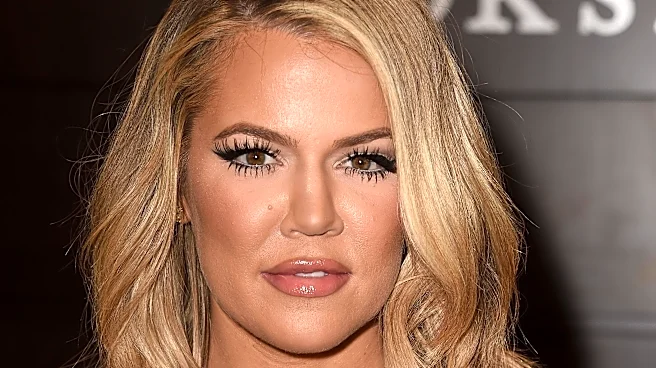
Khloé Kardashian has publicly criticized her ex-husband, Lamar Odom, following comments he made about their marriage in his Netflix documentary, 'Untold: The Death & Life of Lamar Odom.' In a confessional on 'The Kardashians,' Kardashian expressed her displeasure,
stating she was 'not too thrilled' and found many aspects of the documentary 'distasteful.' She specifically took issue with Odom's claims that he married her for fame and popularity in pop culture, and that he downplayed her significant role in his recovery from a near-fatal overdose in 2015. Kardashian, who participated in the documentary at Odom's request without compensation, felt his remarks were 'lame' and disrespectful, especially given her efforts to support him during his health crisis. She declared that their relationship is irrevocably over, stating, 'There’s no more rope left to throw over. So he is dead to me.'
Why It's Important?
This public fallout highlights the complexities and emotional toll of celebrity relationships, particularly when personal histories are revisited in public forums like documentaries. For Khloé Kardashian, the controversy underscores the challenge of maintaining privacy and controlling personal narratives, even years after a relationship has ended. Her strong reaction reflects a desire to protect her reputation and acknowledge her contributions during a difficult period in Odom's life, which she feels were unfairly minimized. For Lamar Odom, the documentary and subsequent backlash could impact public perception of his recovery and his past relationship, potentially affecting future endeavors. The incident also serves as a reminder of the scrutiny public figures face, where past actions and statements can be re-evaluated and lead to renewed conflict, influencing their public image and brand.
What's Next?
The immediate aftermath of Khloé Kardashian's statements is likely to involve continued media attention and public discussion surrounding the former couple's relationship. Lamar Odom may face pressure to respond to Kardashian's accusations, potentially through further interviews or statements, which could either escalate or de-escalate the conflict. The 'Untold: The Death & Life of Lamar Odom' documentary will likely see increased viewership as audiences seek to understand the context of the dispute. For Kardashian, this public declaration could mark a definitive end to her public engagement with Odom, allowing her to move forward without further entanglement in his narrative. The incident may also influence how other public figures approach collaborations or discussions about past relationships in media projects, emphasizing the importance of clear agreements and mutual respect for personal histories.
Beyond the Headlines
Beyond the immediate celebrity drama, this situation touches upon broader themes of narrative control, memory, and the ethics of storytelling in media. When public figures participate in documentaries about their lives, there's an inherent tension between their desire to share their story and the potential for others' interpretations to diverge or even contradict their own. Kardashian's frustration highlights the power dynamics in such narratives, especially when one party feels their contributions or sacrifices are being misrepresented. It also raises questions about the responsibility of documentarians and subjects to present a balanced and respectful account, particularly when sensitive personal histories are involved. The public's consumption of such stories often shapes perceptions of individuals, making the accuracy and fairness of these narratives crucial for those living under constant media scrutiny.