








What's Happening?
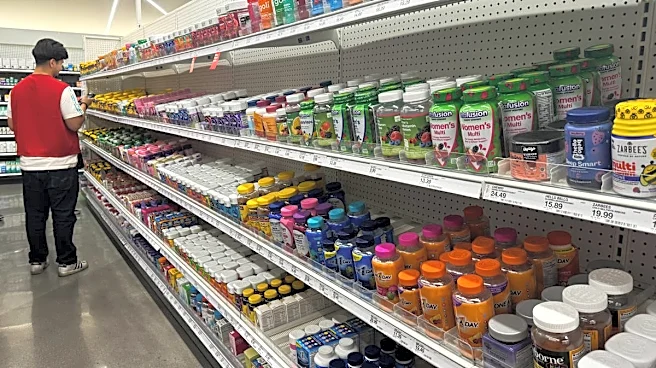
Ahold Delhaize USA, a major player in the American supermarket industry, has reached a $40 million settlement with the U.S. Department of Justice (DOJ) to resolve allegations of inflated prescription drug billing. The settlement concludes a legal battle
initiated by a whistleblower lawsuit, which accused the company of overcharging government healthcare programs by not reporting discounted drug prices as 'usual and customary' prices. This practice allegedly led to inflated payments from Medicare Part D, Medicaid, and TRICARE. The settlement includes a payment of over $32 million to the federal government and more than $7 million to participating state governments. The agreement does not constitute an admission of liability by Ahold Delhaize, nor does it imply that the government's claims were without merit.
Why It's Important?
This settlement underscores the critical role of accurate pricing in federal healthcare programs and the financial implications of non-compliance. By resolving these allegations, the settlement aims to restore public funds and reinforce the integrity of government-subsidized healthcare programs. The case highlights the importance of transparency in pharmacy pricing and the potential consequences of failing to adhere to federal regulations. It also demonstrates the effectiveness of the False Claims Act in addressing fraud against the government, as the whistleblower involved will receive a significant portion of the recovered funds. This case serves as a warning to other companies about the legal and financial risks of non-compliance with federal healthcare billing requirements.
What's Next?
While the settlement resolves the immediate legal issues, it may prompt increased scrutiny of pharmacy pricing practices across the industry. Other companies may review their compliance with federal healthcare program requirements to avoid similar legal challenges. The DOJ's commitment to enforcing accurate billing practices could lead to further investigations and settlements in the sector. Additionally, the case may encourage more whistleblowers to come forward with information about potential fraud, given the financial incentives provided under the False Claims Act.
Beyond the Headlines
The settlement raises broader questions about the ethical responsibilities of corporations in managing healthcare costs and the impact of pricing practices on public trust. It also highlights the role of whistleblowers in uncovering corporate misconduct and the legal mechanisms available to hold companies accountable. The case may influence future regulatory policies aimed at enhancing transparency and accountability in the healthcare industry.