



What's Happening?
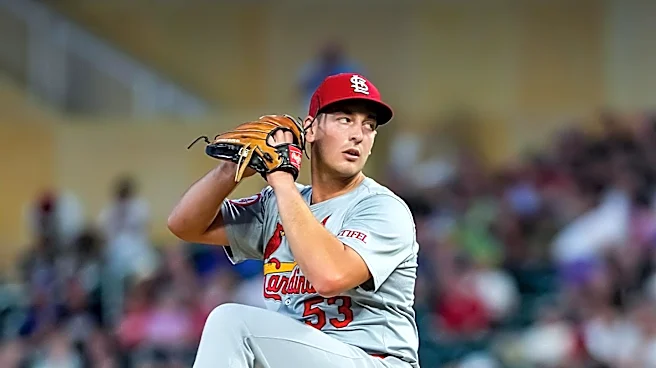
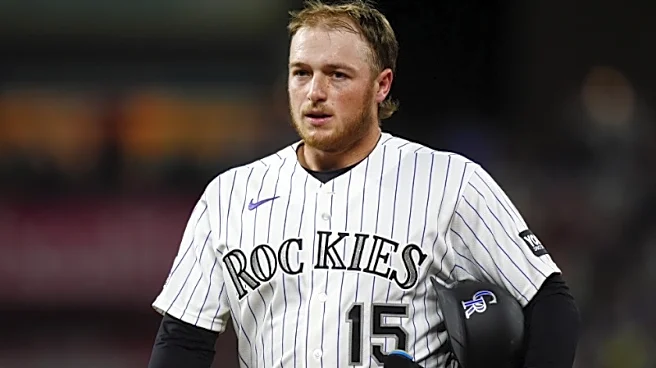
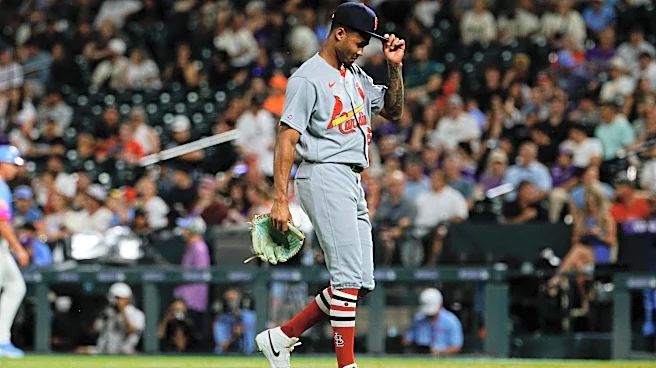
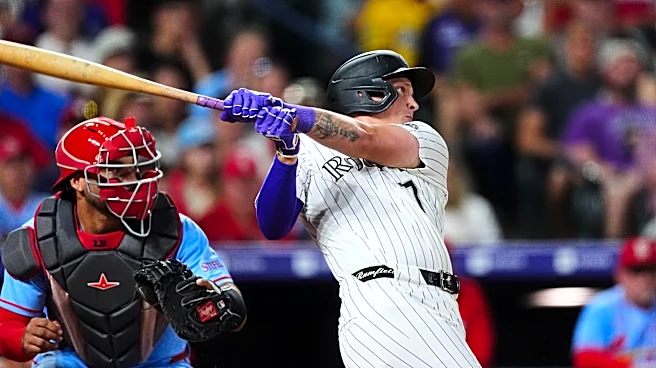
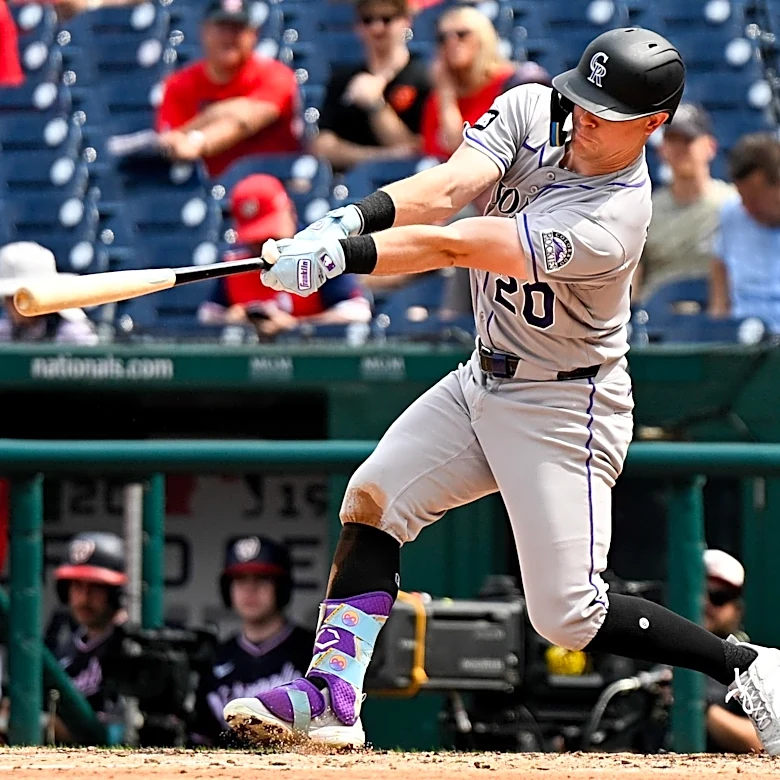
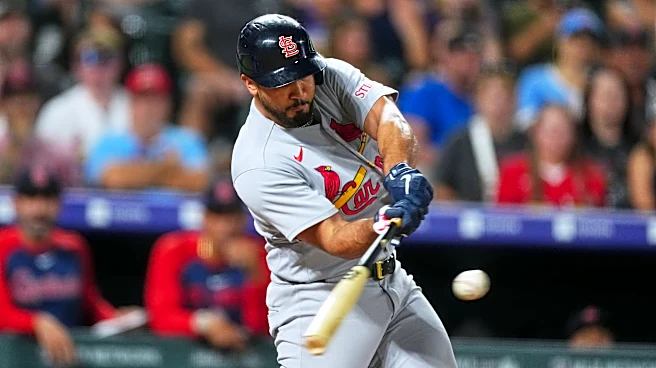
Players from the St. Louis Cardinals and Colorado Rockies collectively tilted their caps during a game on Saturday night, in apparent protest of umpire Doug Eddings' comments to Cardinals rookie pitcher Hancel Rincón the previous day. On Friday, Eddings instructed
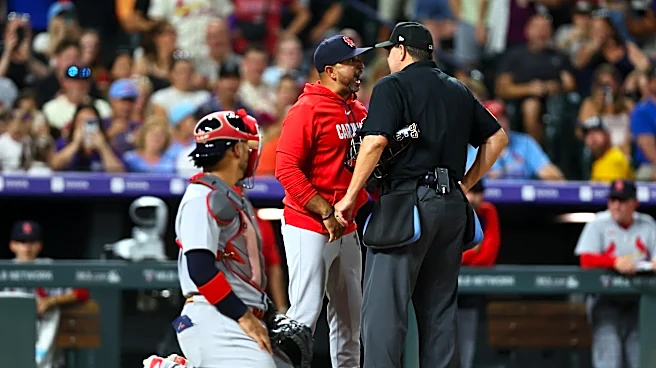
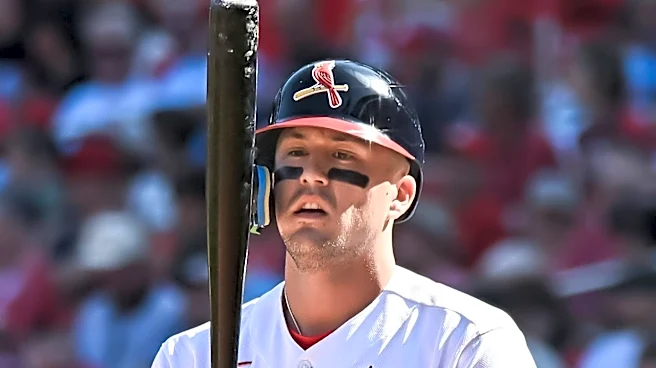
Rincón to straighten his cap, which was worn with the brim pointing to the left. This interaction led to an argument with Cardinals manager Oliver Marmol, resulting in Marmol's ejection. Many Cardinals players wore their hats tilted during warmups and in the dugout, with some even tilting their batting helmets after reaching base. Several Rockies players also adopted the tilted cap style. Rincón confirmed that Eddings apologized to him on Saturday, which he accepted. Marmol, however, stated that his conversation with Eddings yielded 'nothing of meaning.'
Why It's Important?
This incident highlights a clash between player expression and official regulations within professional sports, specifically Major League Baseball. The collective action by players from two different teams underscores a sense of solidarity and a challenge to what they perceive as arbitrary or 'power-hungry' enforcement of rules by an umpire. Manager Marmol's strong reaction and subsequent ejection emphasize the emotional and professional stakes involved. Such disputes can affect team morale, player-umpire relations, and potentially influence game dynamics. It also brings to light the cultural aspects of player attire and self-expression, particularly for international players like Rincón, and how these might be perceived or regulated within the traditional confines of the sport.
What's Next?
While umpire Doug Eddings has apologized to Hancel Rincón, the broader implications of this protest could lead to discussions within MLB regarding player dress code policies and umpire discretion. The players' unified stance suggests a potential for further collective action if similar incidents occur. The league might review the incident to clarify guidelines for player appearance and umpire conduct, aiming to prevent future confrontations. For the Cardinals, this event has seemingly strengthened team unity, as noted by both manager Marmol and pitcher Matthew Liberatore. The focus will now shift back to on-field performance, but the memory of this protest may linger, influencing how players and umpires interact in future games.
Beyond the Headlines
This seemingly minor incident of a tilted cap delves into deeper themes of authority, individual expression, and cultural understanding within professional sports. Manager Marmol's accusation of a 'power-hungry move' by the umpire suggests a tension between the officials' role in maintaining order and players' desire for personal style and identity. The reference to past players like Dontrelle Willis and CC Sabathia, who also wore tilted caps, implies a historical precedent and questions the consistency of rule enforcement. For Rincón, a rookie from the Dominican Republic, this incident could be seen as a cultural misunderstanding or an attempt to assert his identity. The collective player protest transcends a simple fashion statement, becoming a symbolic act of defiance and solidarity against perceived overreach of authority, reflecting broader societal discussions on individual freedoms versus institutional rules.