



What's Happening?
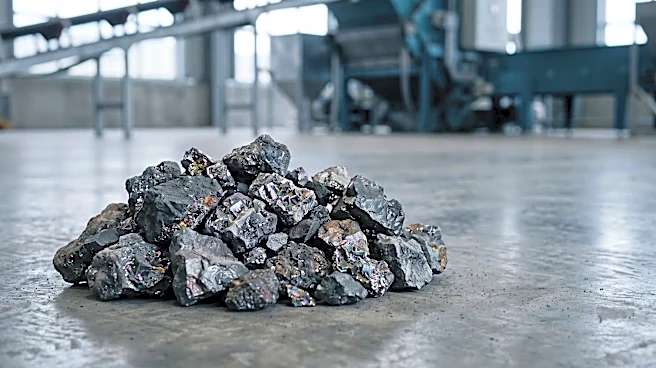
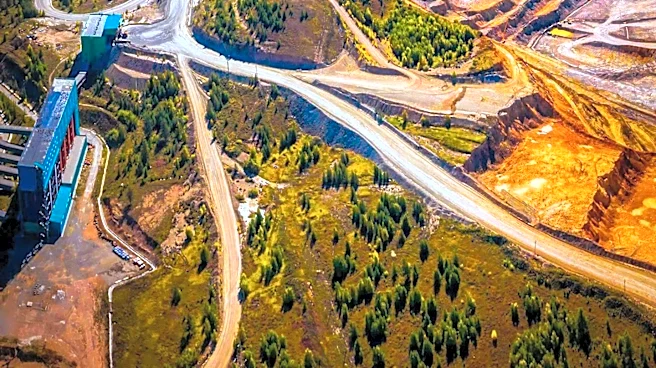
In 2025, the United States produced an estimated 51,000 metric tons of rare-earth oxide in mineral concentrates, valued at $240 million, primarily from bastnaesite mining in Mountain Pass, California, and monazite production in the southeastern U.S.,
according to the USGS. This figure contrasts with China's estimated production of 270,000 metric tons out of a world total of approximately 390,000 metric tons. The U.S. remains significantly reliant on imports, with China supplying 71% of U.S. imports of rare-earth compounds and metals between 2021 and 2024. Investors interested in rare earth elements have three primary avenues: purchasing shares in listed companies like MP Materials, investing in exchange-traded funds (ETFs) such as the VanEck Rare Earth and Strategic Metals ETF (REMX) or the Global X Rare Earth and Critical Materials ETF (EART), or buying physical metal through specialist dealers. Each investment route carries distinct risks, including price volatility and the concentrated global supply of these critical materials.
Why It's Important?
The U.S.'s continued reliance on foreign sources, particularly China, for rare earth elements poses significant strategic and economic vulnerabilities. Rare earths are indispensable for numerous advanced technologies, including defense systems, renewable energy components, and consumer electronics. The concentration of global production in China, coupled with its tightening export controls on various rare earth elements since April 2025, underscores the urgency for the U.S. to develop and secure its domestic supply chain. Investment in U.S. rare earth companies and related ETFs is crucial for fostering domestic mining, processing, and manufacturing capabilities. Diversifying investment options allows both institutional and individual investors to participate in strengthening this critical sector, which is vital for national security and technological independence. The risks associated with these investments, such as price swings and geopolitical influences, highlight the speculative nature but also the potential strategic returns of supporting the rare earth industry.
What's Next?
The U.S. will likely continue efforts to reduce its net import reliance on rare-earth compounds and metals, which stood at an estimated 67% of apparent consumption in 2025. This will involve ongoing government support for domestic mining and processing projects, as well as initiatives to encourage investment in U.S.-based rare earth companies. Investors will closely monitor geopolitical developments, particularly regarding China's export policies, as these can significantly impact global supply and prices. The performance of rare earth stocks and ETFs will be influenced by the success of domestic projects in scaling up production and processing capabilities. Furthermore, technological advancements in rare earth extraction and recycling could alter the supply landscape, potentially reducing reliance on traditional mining methods and diversifying sources. The industry will also need to navigate environmental regulations and ensure sustainable practices in rare earth production.
Beyond the Headlines
The discussion around rare earth investments extends beyond mere financial returns; it delves into the core of national industrial policy and geopolitical strategy. The U.S. government's push for domestic rare earth independence is a long-term endeavor aimed at safeguarding critical industries and military capabilities from potential supply disruptions or weaponization of trade. The investment landscape reflects this strategic imperative, with both direct company investments and ETF options providing avenues for capital flow into the sector. However, the inherent risks, including environmental concerns related to mining and processing, price volatility, and the sheer dominance of China in the market, present complex challenges. Addressing these requires a multi-faceted approach involving technological innovation, international partnerships, and robust regulatory frameworks to ensure a sustainable and secure supply of these indispensable elements for future generations.