




What's Happening?
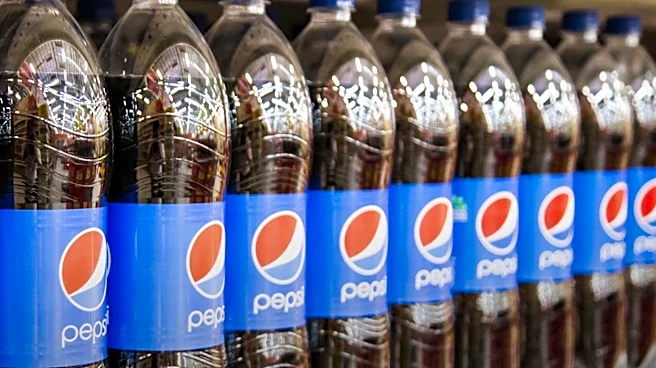
PepsiCo, Inc., traditionally known for its chips, sodas, and packaged snacks, is strategically expanding its presence into the fresh food sector, specifically targeting the 'perimeter of the grocery store.' This move includes introducing refrigerated
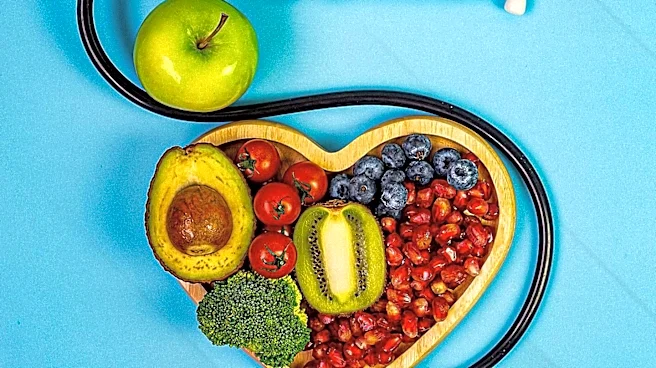
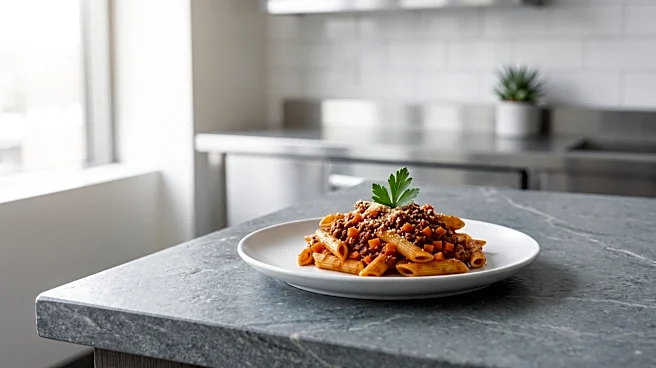
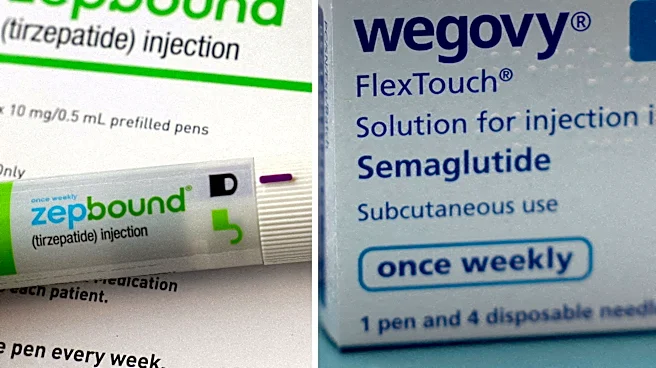
dips, produce-adjacent foods, and ready-to-eat meals. The company recently launched Tostitos guacamole and is developing brands like Sabra and Siete. This shift is partly driven by the increasing consumer interest in fresh, less-processed food options and the growing influence of GLP-1 weight-loss drugs such as Wegovy and Ozempic. These medications are leading consumers to reduce calorie intake and favor foods rich in protein, fiber, and nutritional value over traditional salty snacks and sweets. The perimeter of the grocery store represents a significant market, with annual sales exceeding $271 billion, an area where PepsiCo has historically had a limited footprint. The company aims to adapt to changing dietary habits and capture growth in this evolving market segment.
Why It's Important?
This strategic pivot by PepsiCo is significant for the U.S. food industry, signaling a major shift in how large food corporations are responding to evolving consumer preferences and health trends. The rise of GLP-1 drugs is creating a substantial challenge for companies heavily reliant on snack and sugary beverage sales, prompting them to innovate or risk market share erosion. PepsiCo's expansion into fresh foods could set a precedent for other major food manufacturers to diversify their portfolios, potentially leading to increased competition and innovation in the healthier food segment. For consumers, this could mean a wider availability of convenient, healthier options from established brands. Economically, this shift could reallocate significant portions of the $271 billion grocery perimeter market, impacting supply chains, agricultural practices, and retail strategies across the nation. Companies that fail to adapt to these changing dietary patterns, particularly those driven by medical advancements, risk facing declining sales and investor scrutiny.
What's Next?
PepsiCo's immediate next steps will involve navigating the operational complexities associated with refrigerated products, which include different distribution channels, shorter shelf lives, and distinct logistical challenges compared to its traditional packaged goods. The company will need to assess whether its newer fresh-food products can achieve sufficient scale to offset potential pressures on its conventional snack volumes. This strategic direction suggests continued investment in research and development for healthier food options and potential acquisitions in the fresh food space. Other food and beverage companies are likely to closely monitor PepsiCo's success in this new market, potentially leading to a broader industry trend of diversification into health-conscious product lines. The long-term impact of GLP-1 drugs on consumer spending habits will continue to shape the food industry, making adaptability a critical factor for sustained growth.
Beyond the Headlines
Beyond the immediate business implications, PepsiCo's move highlights a broader societal shift towards health and wellness, partly accelerated by medical innovations like GLP-1 drugs. This trend could lead to a re-evaluation of food marketing strategies, with a greater emphasis on nutritional benefits and fresh ingredients. The ethical dimension arises in how food companies, traditionally associated with less healthy options, will communicate their commitment to health without alienating their existing customer base or appearing opportunistic. This shift also underscores the interconnectedness of the pharmaceutical and food industries, where advancements in one sector can profoundly influence the other. Over time, this could foster a more health-centric food ecosystem, potentially influencing public health outcomes and dietary guidelines. The challenge for PepsiCo and its peers will be to authentically integrate these healthier offerings into their brand identity while maintaining profitability in a highly competitive market.